Seventy-Year-Old Dredger Helps Clear Three Million Cubic Metres From Siberian Rivers
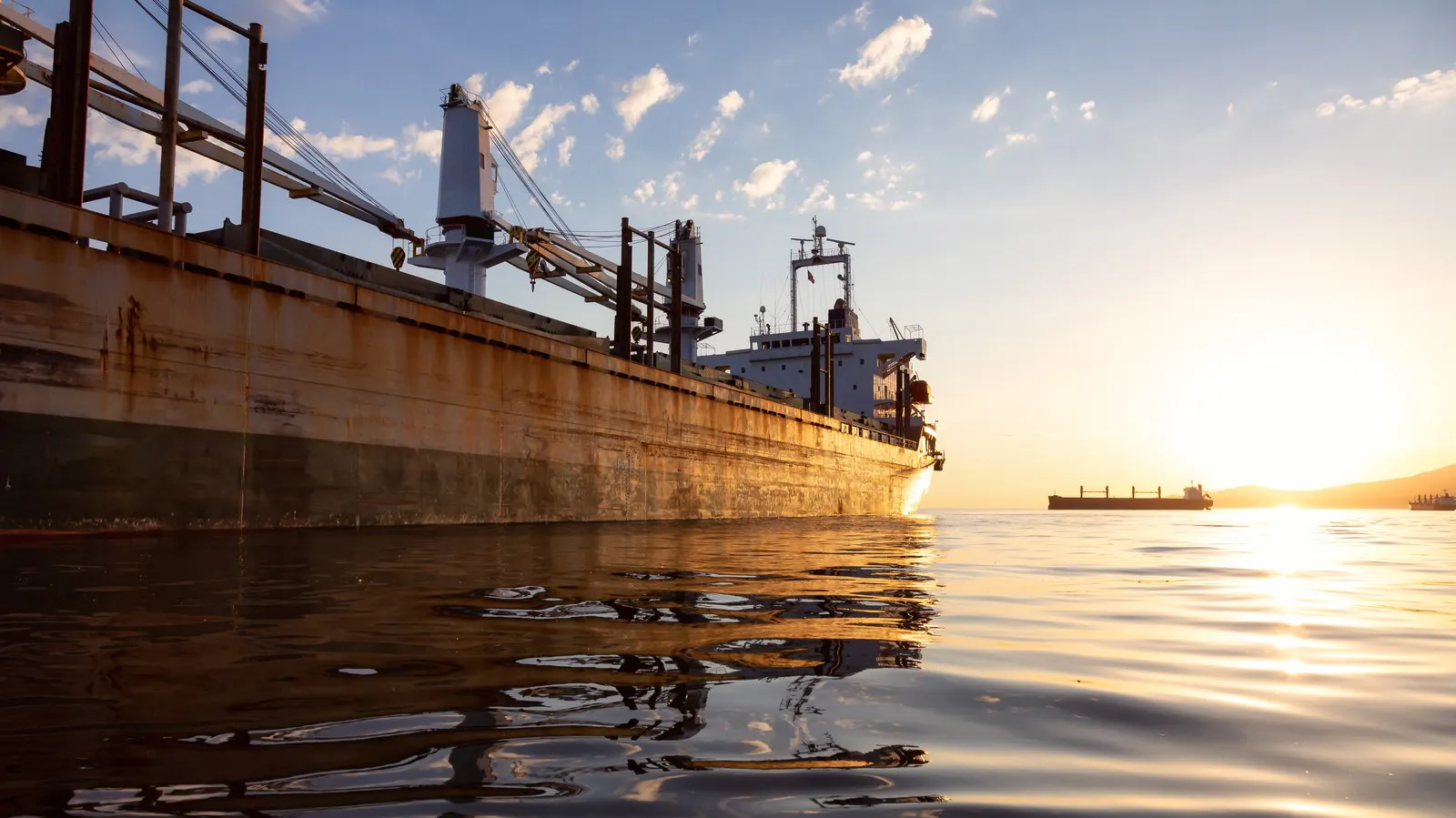
A self-propelled dredger built seven decades ago is still working the Ob and Irtysh rivers, part of a fleet of fifteen technical vessels that has removed 3.3 million cubic metres of material during the current season. That total represents almost ninety per cent of the annual plan for the waterway administration responsible for the region, according to the federal river transport agency that oversees the work.
The dredger measures 52.6 metres in length with a beam of 9.3 metres and draws just 1.27 metres, a shallow figure that allows it to work close to the bank on rivers where the navigable channel shifts from season to season. It is powered by a German-built main engine rated at 426 horsepower, supported by three generators producing a combined 203 kilowatts, and accommodates up to sixteen crew and passengers. The vessel belongs to a Soviet-era project series designed specifically for the demands of Siberian inland navigation.
The season's programme has covered a wide stretch of the network. Work has concentrated on the Ob itself, including the estuarine sections where three tributaries meet the main river, and on the Irtysh from the city of Omsk downstream towards the Kazakh border. These are working waterways rather than scenic ones, carrying timber, construction aggregates, petroleum products and general cargo to settlements that have limited road access for much of the year and none at all during the spring thaw.
Funding for part of the campaign came from a regional government under an agreement with the federal agency, with the region covering the cost of removing close to 750,000 cubic metres of material. Cost sharing of this kind has become more common as central budgets tighten and regional authorities weigh the price of dredging against the cost of losing river access for local industry, which in practice means longer overland hauls and higher delivered prices for bulk commodities.
The continued use of a vessel of this vintage says as much about the economics of inland dredging as it does about maintenance standards. Cutter and bucket dredgers are simple machines that can be rebuilt almost indefinitely provided hull steel remains sound, and replacement units are expensive relative to the seasonal revenue they generate on a lightly trafficked river. The trade-off is fuel consumption, emissions and spare parts availability, all of which grow more awkward each year for equipment whose original suppliers no longer exist.