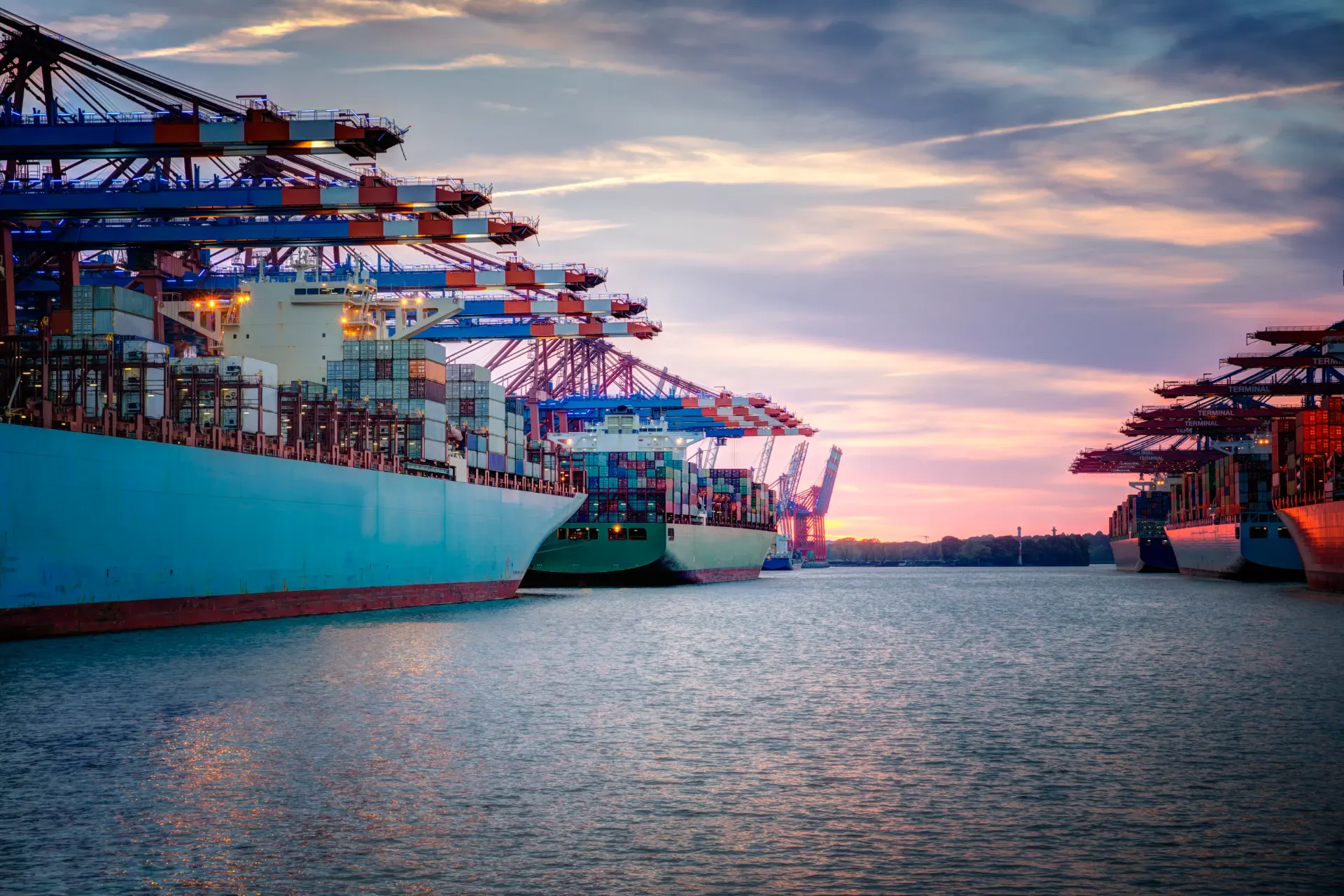
Semi-Submersible Carries Giant Monopiles From Bilbao To Teesside
A semi-submersible heavy transport vessel is ferrying steel monopiles from northern Spain to the northeast coast of England for what will become the world's largest single offshore wind farm. Each voyage carries three foundations across roughly 960 nautical miles, and the ship will make repeated trips over the coming months as the project's foundation installation programme advances.
The vessel measures close to 217 metres in length with a beam of 44.6 metres, having been converted almost two decades ago for heavy and oversized cargo. Its deck allows three monopiles to be carried simultaneously, secured with purpose-built supports and lashings designed to hold structures of that mass against vessel motion at sea. Conventional cargo ships cannot take foundations of this size at all, which is why a small fleet of specialised units has come to dominate the trade.
The dimensions involved have grown quickly. The first foundations produced for the project measured around 90 metres and averaged approximately 1,670 tonnes, but later batches have exceeded 105 metres in length, reached diameters of up to eleven metres and weighed as much as 2,300 tonnes. Not all of the 197 foundations required are identical, since each batch is tailored to the seabed conditions at its intended position, and the heaviest units sit at the outer edge of what existing transport and installation equipment can handle.
The foundations are manufactured at a facility in Bilbao covering more than 200,000 square metres and employing over 900 people locally, expanded through an investment exceeding 250 million euros to meet international demand for extra-large monopiles. The first six units reached Teesside in February and the first foundation was installed offshore in May, with the remaining 196 scheduled for completion through 2027 and the overall project expected to finish by the end of that year.
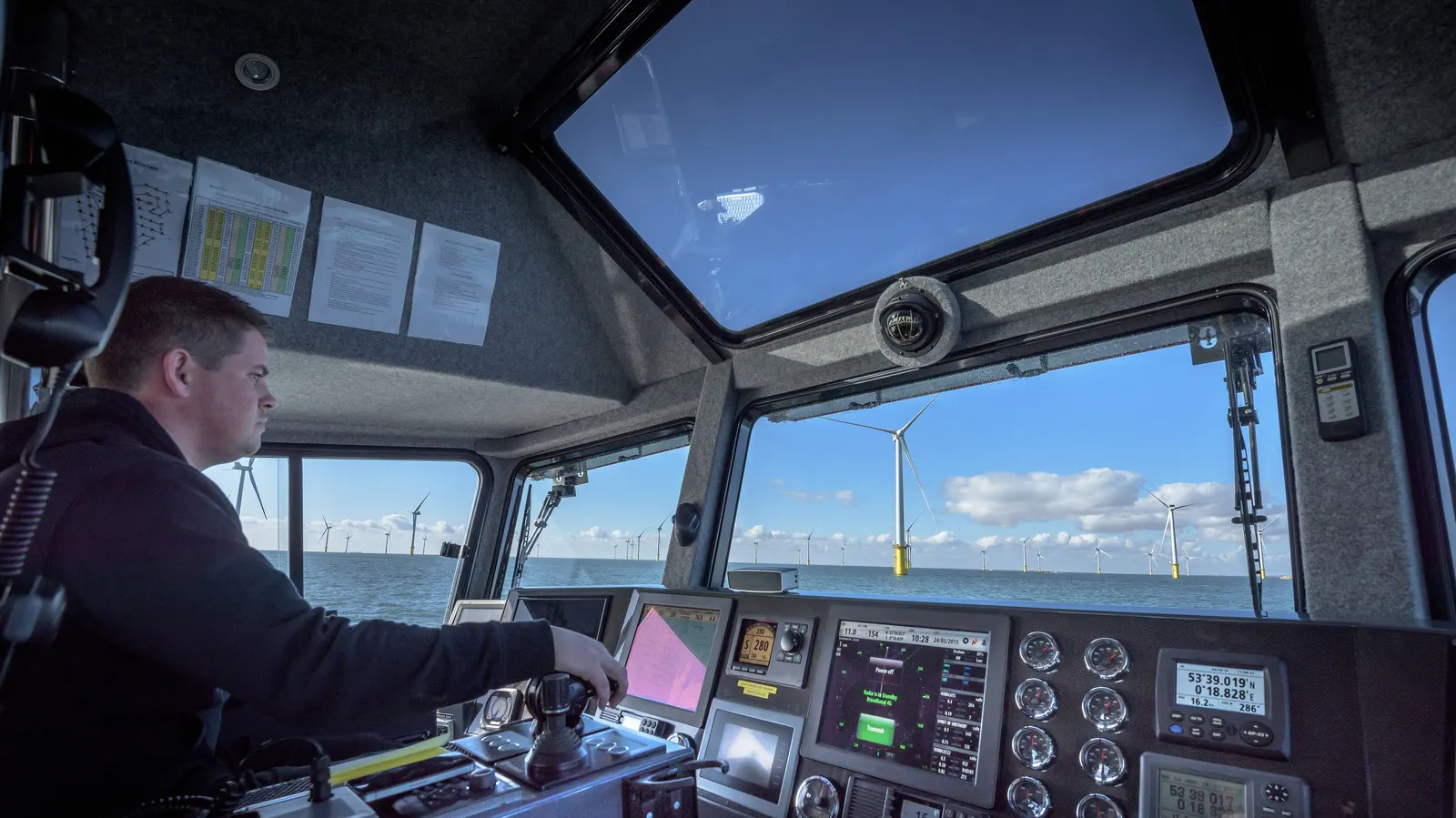
The transport vessel's role stops at the quayside. Offshore installation is handled by separate specialist tonnage, with one jack-up unit driving the monopiles into the seabed and another fitting secondary steel components afterwards. That division of labour is characteristic of large offshore wind construction, where marshalling ports, transport ships and installation vessels each operate on their own schedules and any one of them can hold up the whole chain. The wind farm itself is taking shape roughly 120 kilometres off the English east coast and will pair 197 turbines for a combined capacity of 2.9 gigawatts.