Seafarer happiness falls again as workload and wages bite
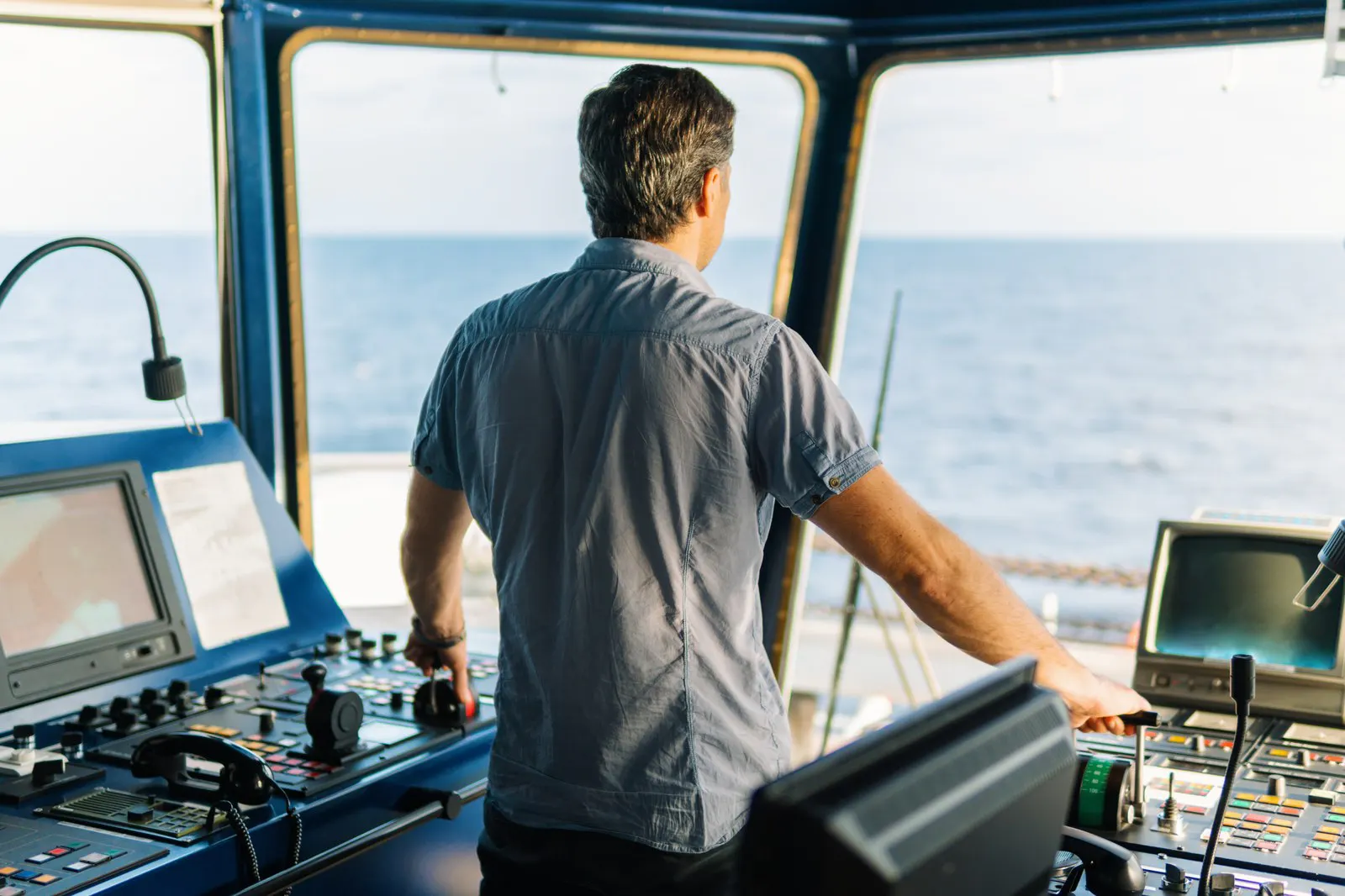
Seafarer morale has fallen for a second consecutive quarter, with the leading welfare index recording 6.87 out of ten for the second quarter of 2026 against 7.18 in the first quarter and 7.26 at the end of last year. Every one of the ten categories measured declined, which has not been a common pattern in the survey's eleven-year history and points to something broader than a single pressure.
Shore leave was the sharpest fall and the lowest score, dropping more than a full point to 5.72 from 6.78. Workload management sits at 6.20 and wages at 6.86, the two areas the report identifies as the core of the problem. Training and development fell 0.55 to 6.97, the second-largest decline. Connectivity remains one of the stronger categories at 7.46 despite slipping, and crew interaction, still the highest score at 7.49, fell 0.44.
The framing the report uses is a shift from acute shock to chronic strain. The previous quarter's decline was driven by a security crisis in the Gulf region, a specific and identifiable event. This quarter's is not attached to any single incident, which makes it harder to address and considerably harder to reverse. Ben Bailey, director of programme at the charity behind the index, said the data should trouble the entire industry, adding that seafarers are extraordinarily resilient but that resilience should not be mistaken for unlimited capacity, and that endurance is not the same as wellbeing.
The breakdowns are where the operational detail sits. Women reported 6.06 against 7.13 for men. By region, the Middle East returned 4.94, far below any other area. By ship type, container ships scored 5.85 and cable ships 5.05, well below bulk carriers at 7.31. Most striking is the picture by rank: the electrical department reported 8.65 and catering 8.10, while chief engineers recorded 6.31 and captains 6.08. Senior command is the least satisfied group aboard.
Two findings deserve particular attention from operators. Contracts of three to six months returned the highest score at 8.01, against 6.48 for contracts running beyond twelve months, which is a straightforward argument about tour length. And the report records a trust deficit around rest-hour recording, with respondents describing hours logged for compliance rather than reality. A workload score of 6.20 alongside rest-hour records that satisfy inspection is a combination that cannot both be accurate, and it is the kind of gap that surfaces in an accident investigation rather than in a survey.