Saudi crude keeps loading despite Houthi blockade threat

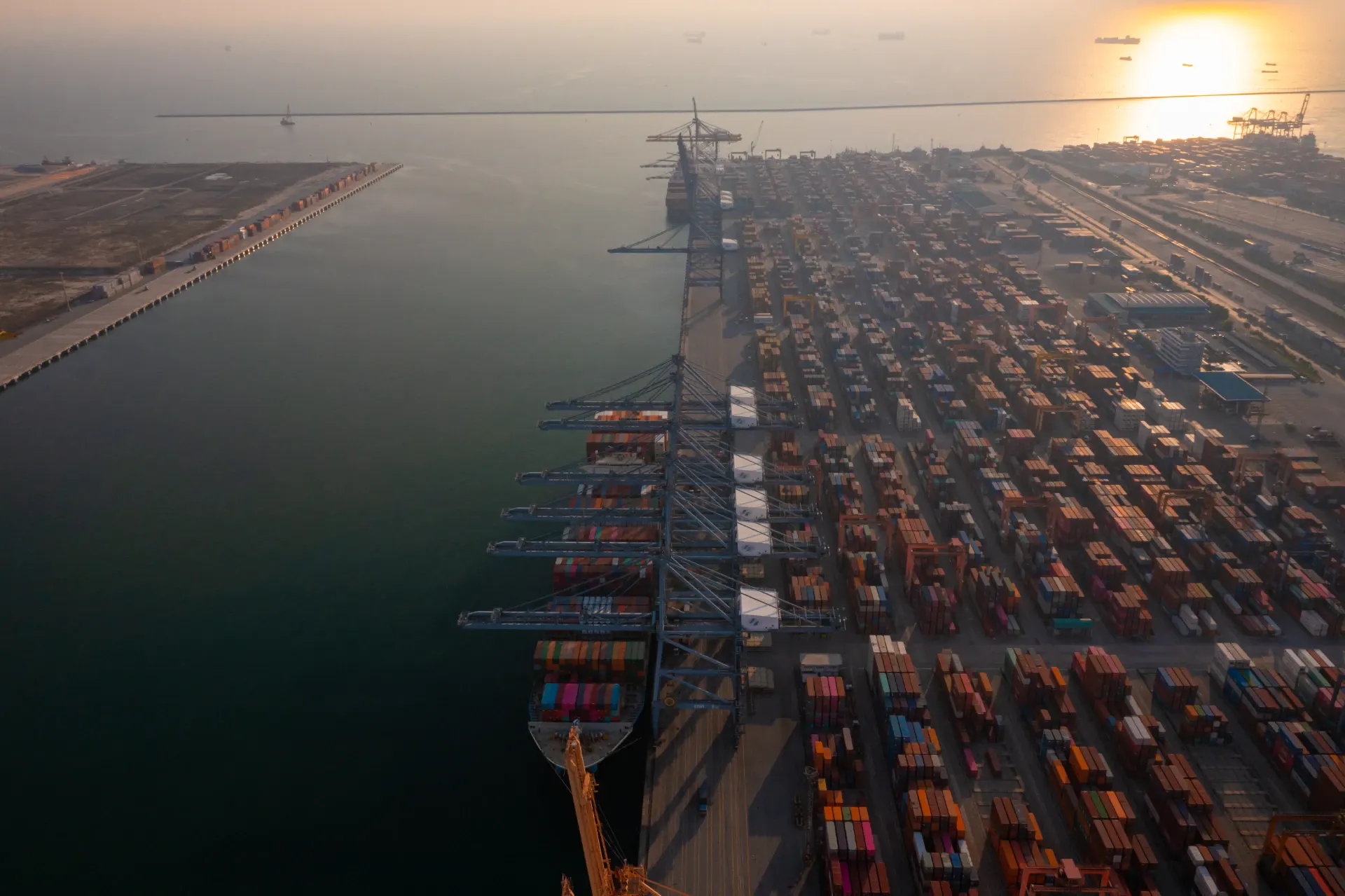
Saudi crude exports through the Red Sea have continued at close to normal levels despite a Houthi maritime blockade declared on 20 July, with satellite imagery from 1 August showing five of seven crude loading positions occupied and all three berths at the Yanbu South terminal in use. Five very large crude carriers were berthed at the loading terminals that day, matching the previous record and marking one of the most active days since the blockade was announced.
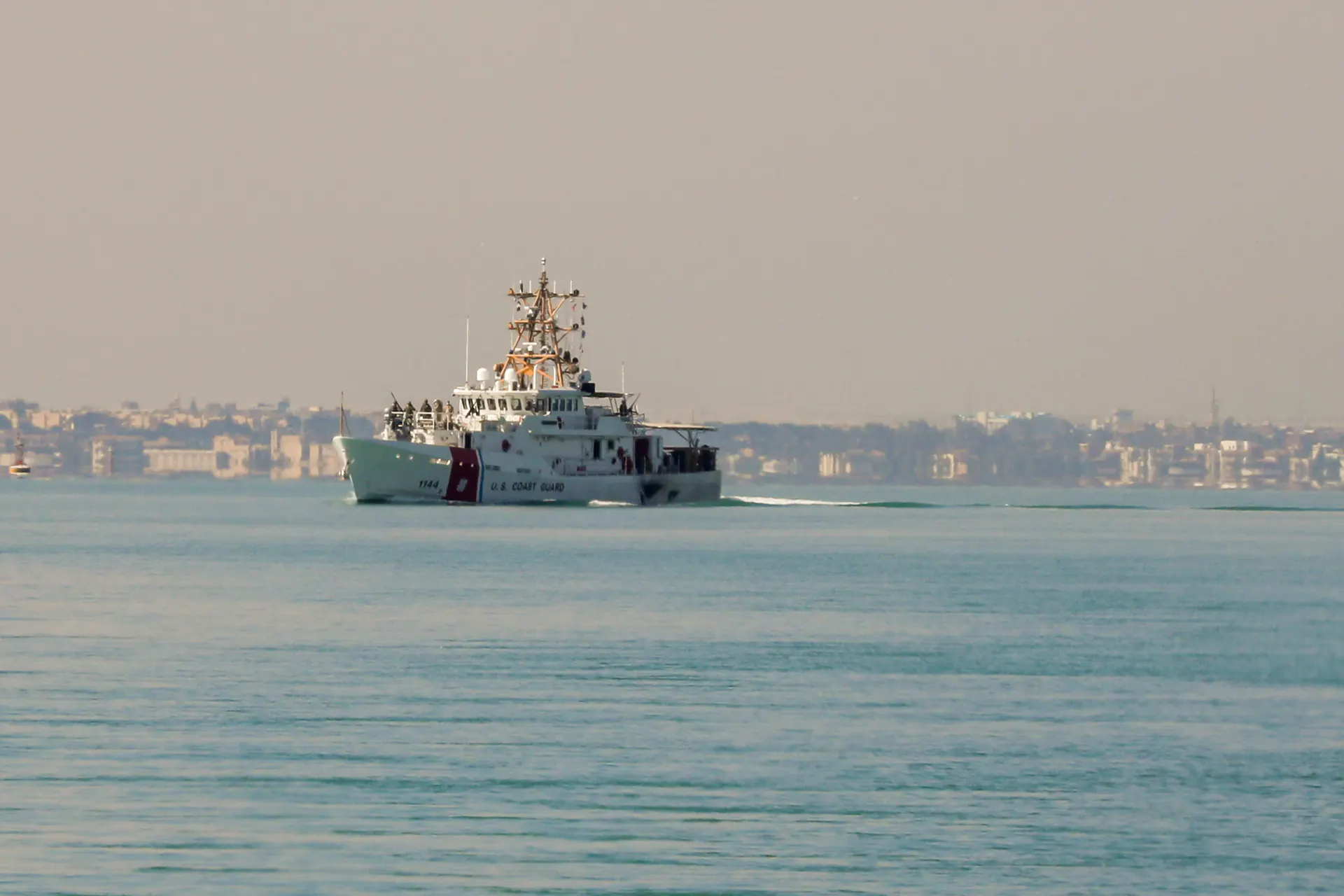
The threat that preceded it was not theoretical. Saudi-owned or Saudi-flagged tankers including the NCC Masa, the Encelia and the NCC Ghazal were attacked, and strikes were also directed at the refinery at Jizan and the crude processing facility at Abqaiq. The Houthis claimed daily exports had been cut by as much as 40 percent, stated that they target only vessels calling at Saudi ports, and denied having imposed or considered transit fees for the Bab el-Mandeb strait.
The export data show a real but smaller disruption. Loadings at Yanbu in the week from 20 July were estimated at between 2.4 and 3.0 million barrels a day by several tracking services against a prior-week baseline of 4.23 million, while one provider put the same week at 3.8 million. Visible loadings fell at least 30 percent week on week and loading voyages dropped from 35 to 16. By 31 July more than 8.4 million barrels left the Gulf in a single day, among the highest flows since the war began, and 75 commodity vessels crossed Bab el-Mandeb over the following weekend.
The gap between the estimates is explained by what is not visible. Four very large crude carriers, one suezmax and one aframax loaded with their transponders switched off, accounting for roughly a third of the volume lifted. Six higher-risk vessels rerouted via the Cape of Good Hope, adding around a month to the voyage, and some Asia-bound flows were diverted to the Mediterranean terminal at Sidi Kerir through the east-west pipeline, bypassing the Red Sea leg entirely.
The picture that emerges is of a trade that has gone quiet rather than stopped. As one maritime analyst put it, Saudi crude is moving but through a more fragmented and less visible set of routes. That has consequences beyond the immediate tonne-miles: a third of a major exporter's liftings moving without transponders degrades the data everyone from underwriters to freight traders relies on, and it normalises a practice the industry has spent three years trying to associate exclusively with sanctioned cargo.