Sanctioned Tanker Transits The Bosphorus Wrapped In Anti-Drone Netting
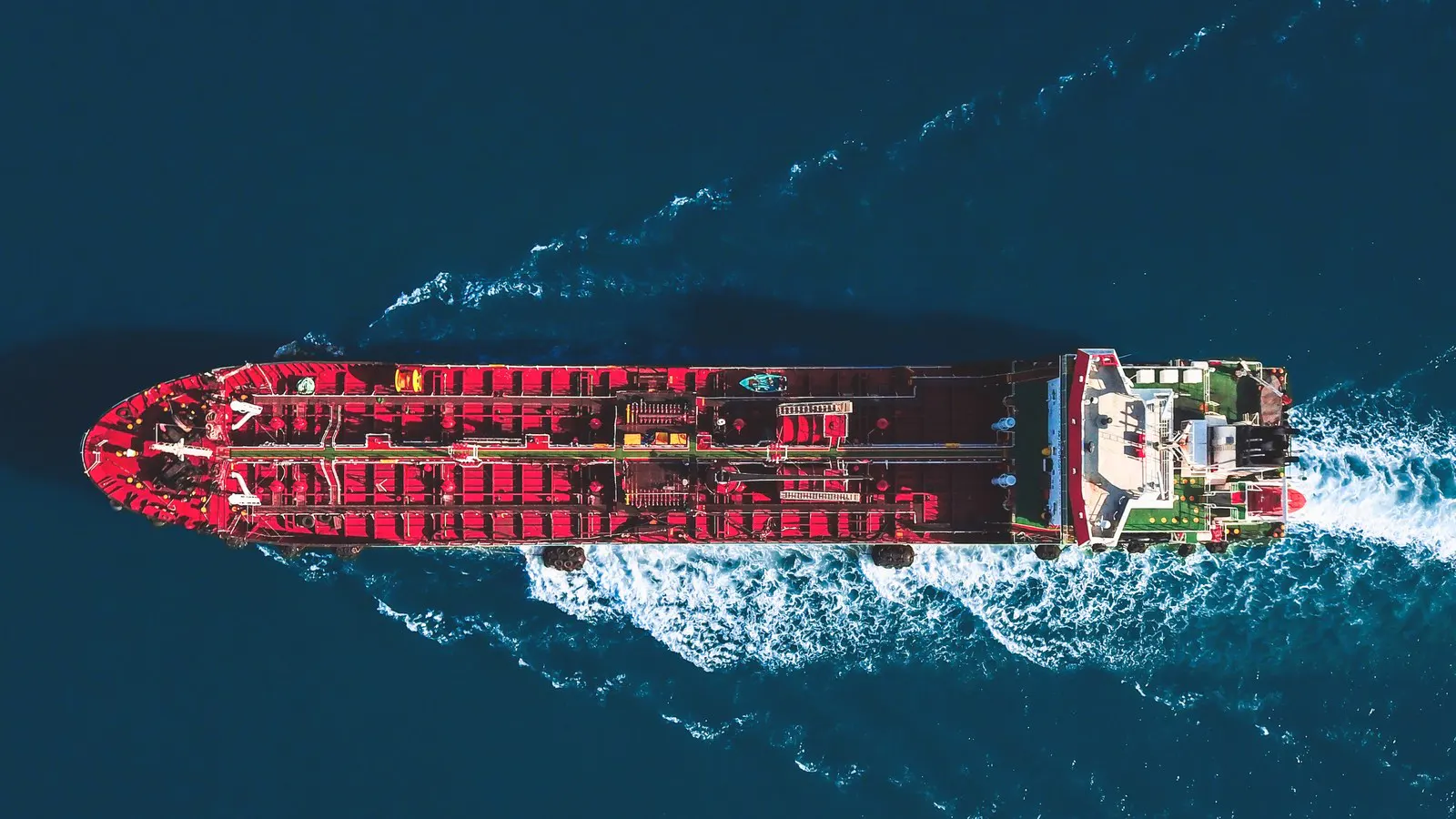
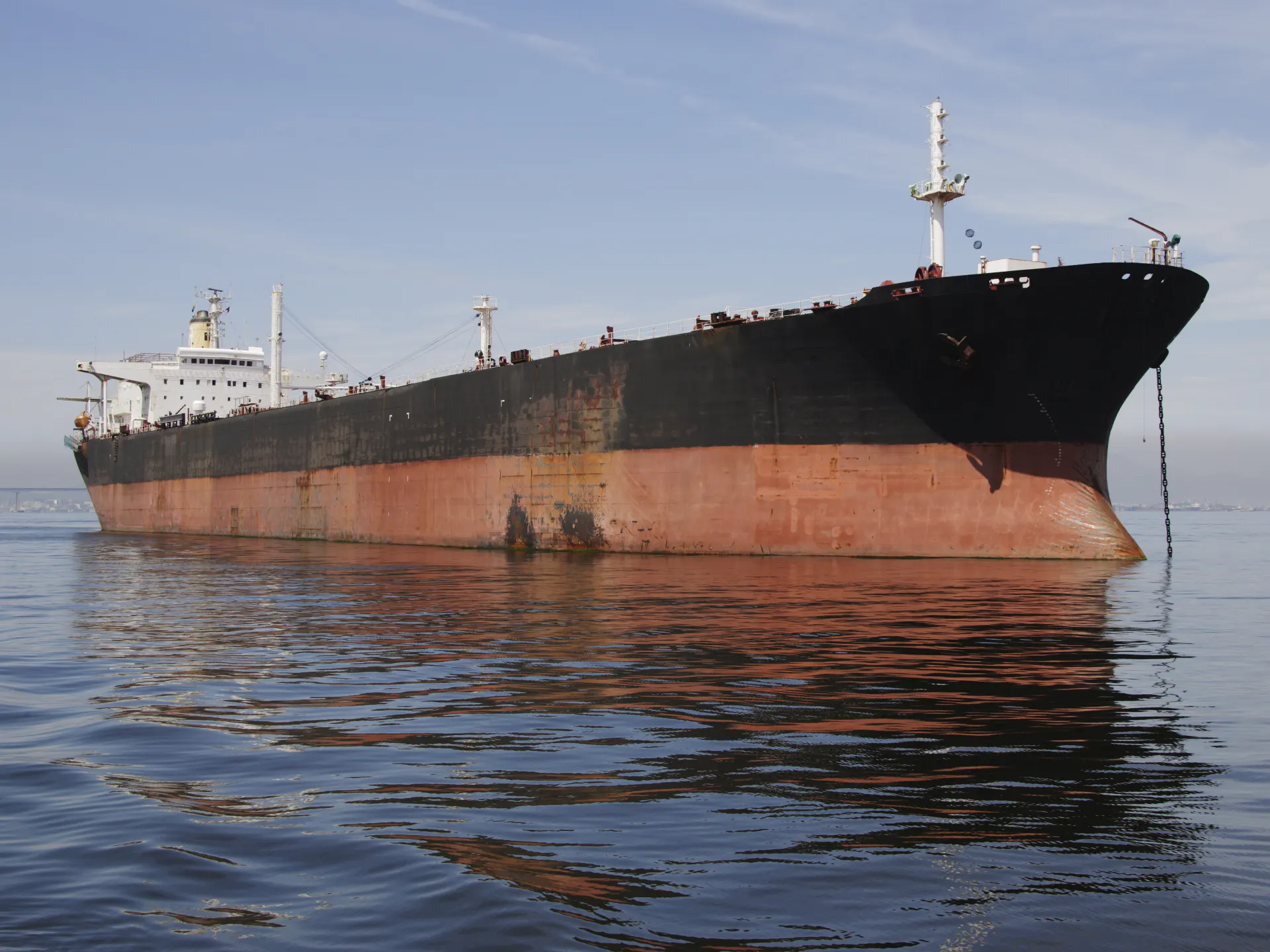
A sanctioned Suezmax tanker carrying about a million barrels of Russian crude has passed through the Bosphorus visibly modified to withstand drone attack, according to observers who photographed the vessel from the Istanbul shoreline. The ship is listed under measures imposed by the United Kingdom, the European Union, Canada, Switzerland, New Zealand and Australia, and was recorded on a deep draft consistent with a full cargo.
The most striking change was to the accommodation block. Netting had been draped over the superstructure, apparently to catch or detonate small aerial drones before they reach the windows and bridge front. Trackers who watched the transit said the crew appeared to be keeping themselves inside the enclosed structure rather than working the open decks, a precaution that would be unusual on a routine laden passage through a busy strait where lookouts are normally posted.
A second set of modifications was fitted aft. Several dozen cages were suspended along the sides of the stern, hanging low towards the waterline. The arrangement is designed as passive standoff protection against uncrewed surface craft, forcing an explosive charge to detonate at a distance from the hull plating rather than directly against it, and shielding the engine room, steering gear and propeller from the type of strike that has disabled other vessels in the region. It is crude, cheap and, judging by the number of ships now carrying similar fittings, considered worth the weight.
Tracking data suggested the images were taken in the second week of August, with the tanker moving down the Sea of Marmara towards the Dardanelles at the time. The route is the standard one for Russian crude leaving Black Sea terminals for buyers further afield, and the strait remains the single unavoidable chokepoint on that trade, which is one reason vessels serving it have become such visible objects of attention.
The retrofits reflect how far the maritime dimension of the war has escalated. Ukrainian forces have used both aerial drones and explosive uncrewed boats against tankers carrying Russian cargoes, and Russian strikes have in turn targeted Ukrainian port infrastructure and the bulk carriers calling there, curtailing seaborne exports in both directions. Insurers, flag states and port authorities are left assessing hulls that now arrive with improvised armour bolted to them, a development with no clear place in existing class rules and one that complicates any assessment of a ship's condition, stability margins or seaworthiness.