Sanctioned Tanker Leaking Crude Off Oman After Onboard Blast
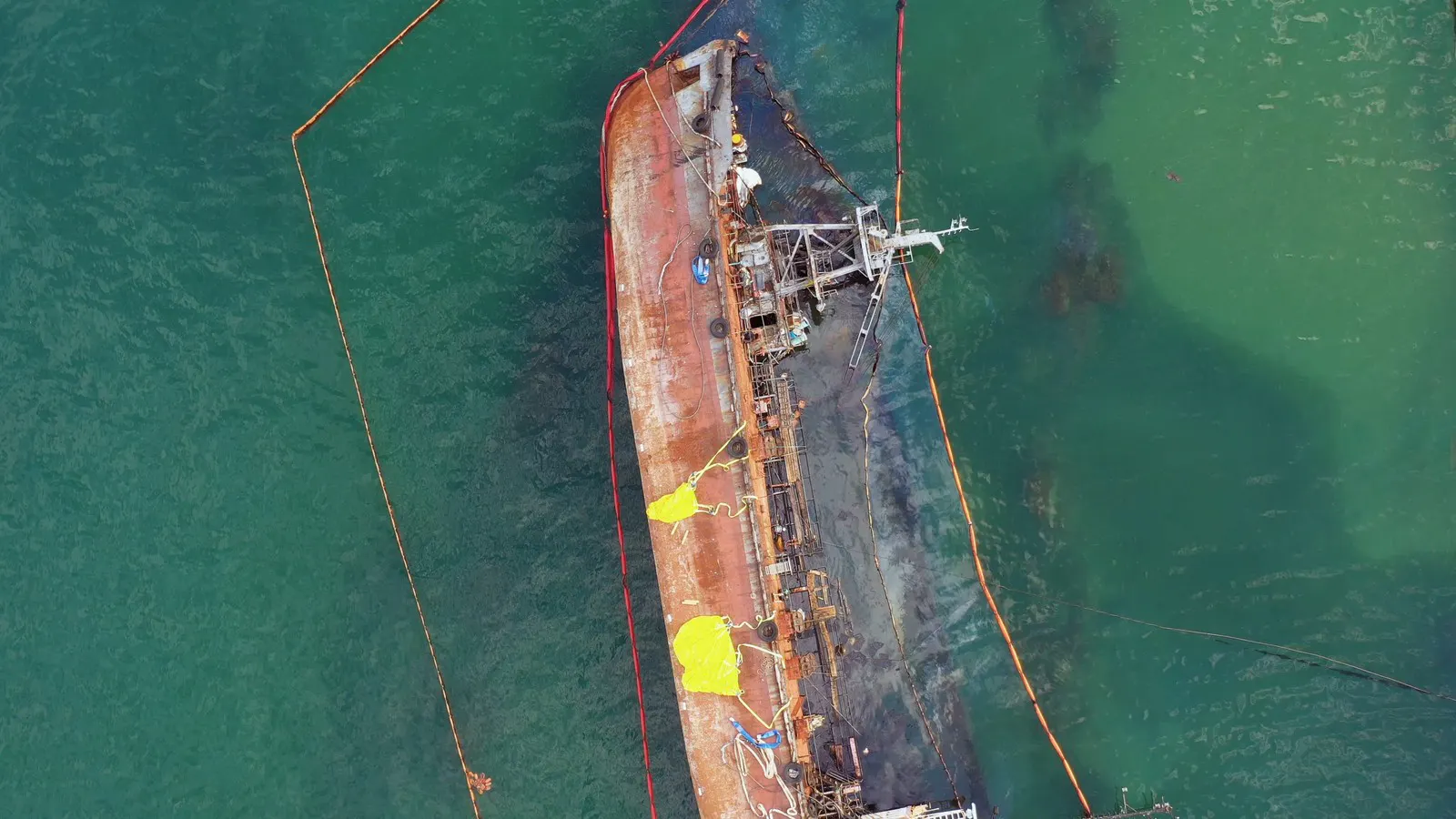
A crude oil tanker linked to Russia's sanctioned export trade is leaking cargo off the coast of Oman, and satellite imagery indicates the slick around the vessel has spread significantly over recent days. The Caroline Bezengi has been drifting in the region since suffering an explosion on board, and analysts who have examined the imagery believe at least one of the ship's hulls has been breached. The casualty has combined two of the most difficult problems facing regulators in the Indian Ocean this year: a large fleet of ageing, opaquely owned tankers operating outside mainstream insurance and inspection regimes, and a security environment in which vessels carrying sanctioned cargoes are increasingly being attacked.
The tanker loaded Russian crude at the Black Sea port of Novorossiysk before beginning its most recent voyage, according to ship-tracking data. It carries European Union and United Kingdom sanctions designations for alleged involvement in moving Russian fuels, and shipping databases list its owner as a Shanghai-based management company that could not be reached for comment. The vessel first reported problems on 8 June while sailing off the southern Yemeni port of Mukalla, with two maritime security sources saying initial assessments pointed to a blast on board. It has remained a concern to regional authorities ever since.
A satellite image captured on 28 July showed a dark slick immediately around the tanker together with lighter patches of oil to the north of al-Qibliyyah Island, which lies close to the Omani coast inside a protected marine area. A remote-sensing specialist who reviewed the imagery said the darker areas were consistent with a breached hull and continuing discharge of crude, and warned that the regional monsoon season, which usually peaks in July and August, could bring weather severe enough to spread the oil considerably further. A tanker specialist who examined the same images said the vessel appeared to be listing, and other maritime sources raised the possibility that the hull could eventually break apart.
The International Maritime Organization said the tanker had not broken up and that authorities were continuing discussions on how to address the safety and environmental risks, adding that it was monitoring the situation closely. Oman's transport ministry did not respond to a request for comment. It remains unclear whether the damage from the blast resulted from an attack of the kind that has repeatedly targeted Russian-linked tankers, or whether it is connected to the wider conflict now disrupting shipping across the Gulf and the Red Sea.
The episode illustrates a gap that has worried salvors and coastal states for years. A vessel outside the conventional insurance market, with an owner that cannot readily be contacted, offers no obvious route to a funded salvage or pollution response, leaving coastal authorities to weigh intervention against an unclear legal and financial picture while the cargo continues to escape.