Salvors Refloat Damietta Gas Unit Two Months After Drone Strike
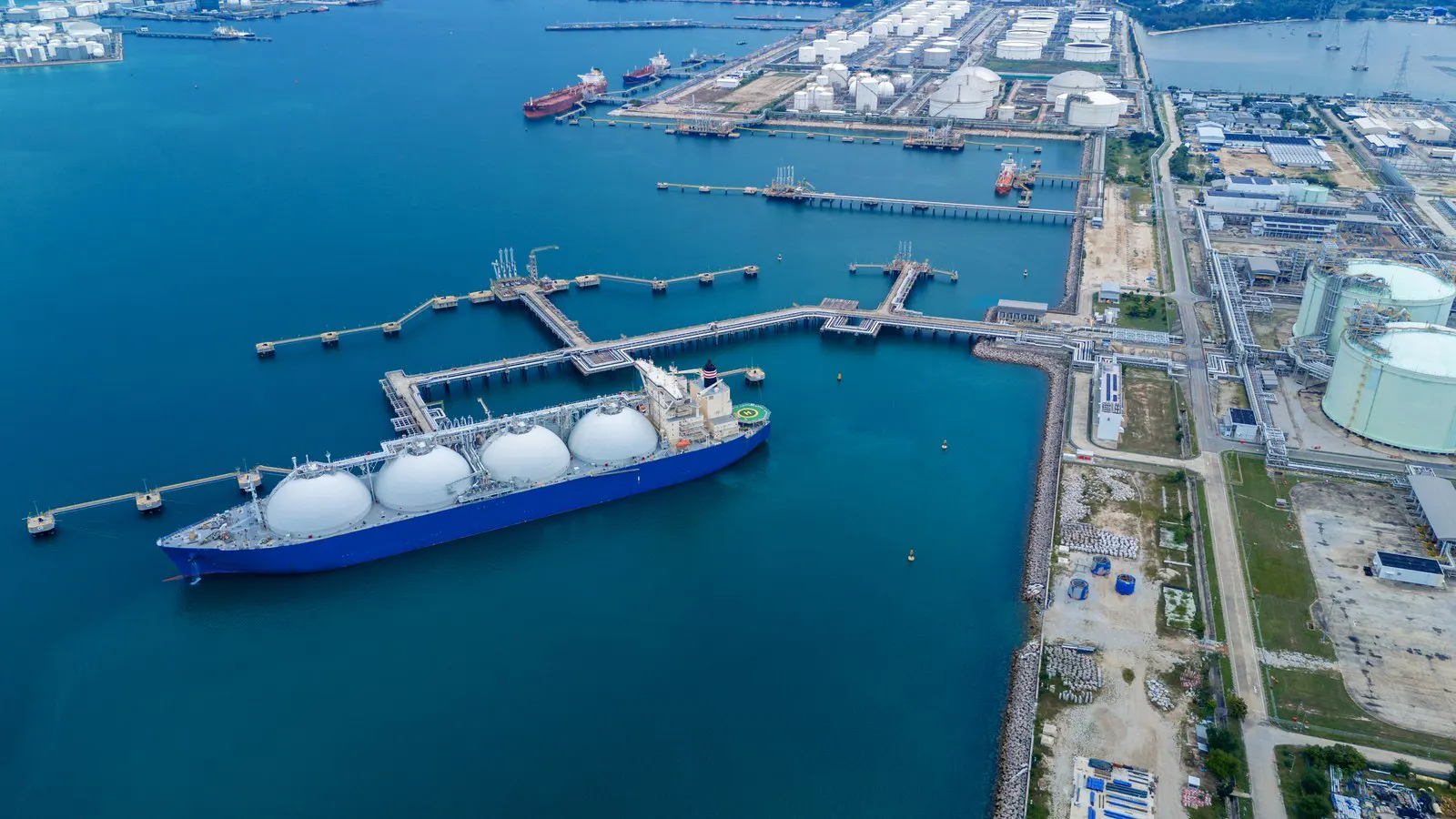
Salvors have refloated the floating storage and regasification unit that grounded off Damietta after a drone strike in late July, completing a fourteen-hour operation with six tugs and moving her to an anchorage clear of the port. The vessel had lain aground outside the entrance channel since the day of the attack.
The strike occurred on 29 July at around 14:20 universal time, hitting both the regasification unit, registered in the Marshall Islands, and a liquefied natural gas carrier at adjacent berths. Nobody was injured and no group claimed responsibility. The Egyptian cabinet said an unmanned aerial vehicle had triggered the fire and that no casualties were reported, while the petroleum ministry confirmed a fire without characterising it as an attack. The regasification unit left her berth and grounded roughly one to two thousand yards offshore the same afternoon.
The refloating took place on 6 August under a plan agreed between the salvage contractor, the port authority and the owner. Four tugs were used initially with two more brought in, ballast was pumped off, and the vessel was freed by pulling astern at ninety degrees to the channel, with a combined bollard pull of 360 tonnes. The operation ran fourteen hours and finished around 22:00. She was then towed for about five hours at three knots to an anchorage roughly ten nautical miles off Damietta, anchoring at 20:00.
The technical difficulty was the vessel's shape rather than her weight. A regasification unit is a converted or purpose-built gas carrier with very large surface area, and an exposed hull area of around 5,000 square metres has been reported for this ship, on a hull with a gas capacity given as 138,250 cubic metres. A grounded object of those proportions is subject to substantial wind and current loading, which is why pulling at ninety degrees to the channel with more than a third of a kilotonne of bollard pull was the chosen method rather than a straight astern tow.
The wider significance is that Egypt cannot easily replace the asset. Regasification units are the mechanism by which a country without permanent import infrastructure receives seaborne gas, and Egypt has moved from exporting gas to importing it as its domestic fields have declined. A single drone put that capability on the seabed for eight days. The salvage was competently executed and the vessel is afloat, but the exposure it revealed has not been addressed by refloating her.