Salvage Teams Board Stricken Tanker Off Oman In Monsoon Conditions
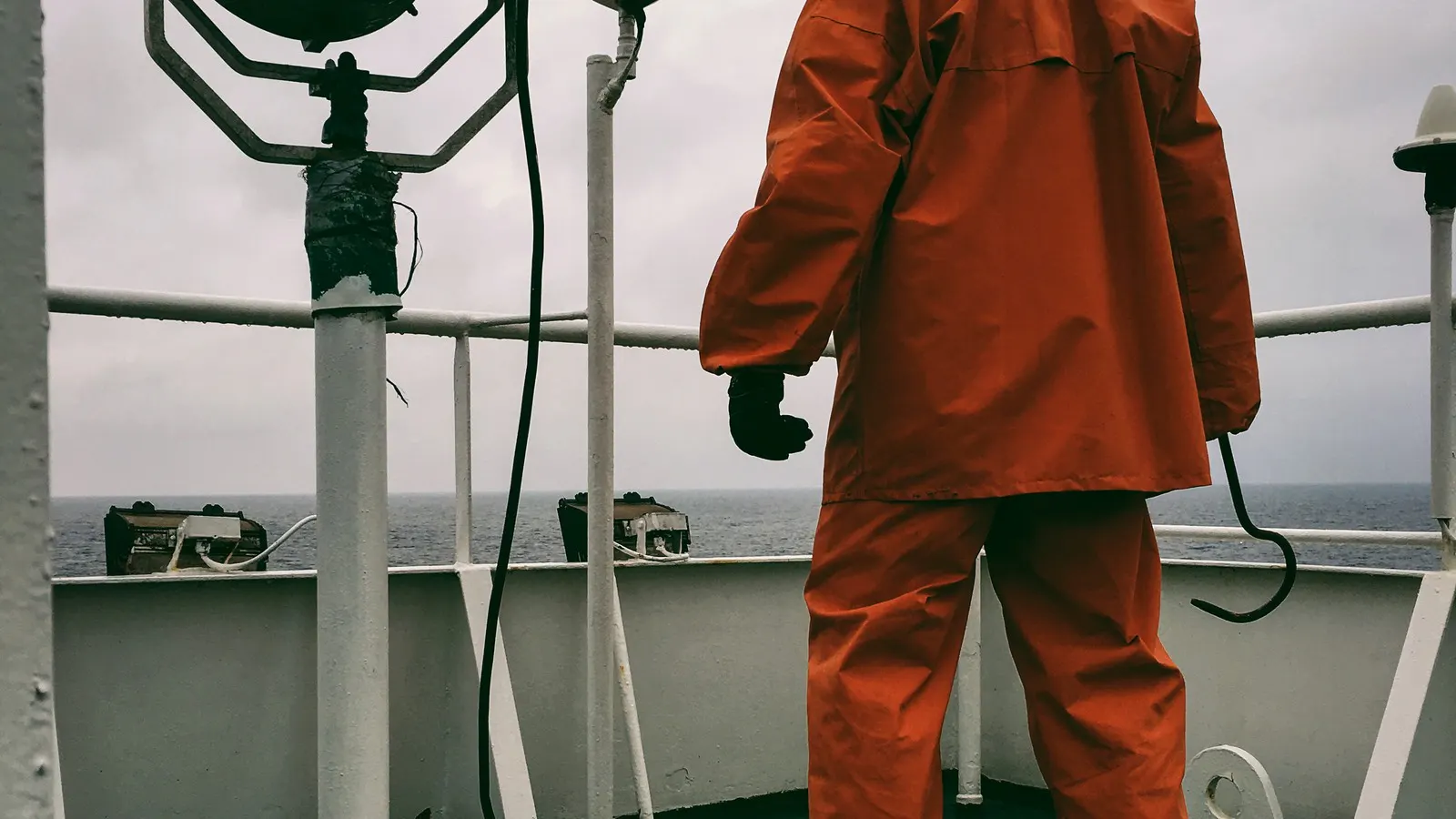
A large international salvage and pollution response operation is under way on a stricken tanker off the coast of Oman, with specialist teams having boarded the vessel to begin stabilising both the ship and its cargo. The work is being carried out in the teeth of the Khareef monsoon, the seasonal weather system that brings persistent low cloud, rough seas and reduced visibility to Oman's southern coast for several months each year.
More than 100 tonnes of salvage and oil spill response equipment has been mobilised alongside specialist salvage vessels, aircraft and experienced personnel, with a leading international oil spill response organisation supporting the effort. Teams reached the casualty with the assistance of the Royal Air Force of Oman, and their first tasks are assessment and stabilisation, which in practice means establishing what state the cargo tanks and hull are in before any decision on lightering or towage can be taken.
The monsoon is the defining constraint. Salvage work depends on being able to put people and equipment on a damaged vessel repeatedly and safely, and a weather window that closes without warning can stop a well-planned operation for days. Helicopter access, boat transfers and boom deployment all become marginal in the sea states the Khareef produces, which is why the involvement of military aviation matters more here than it would in calmer waters.
The response is being coordinated with Omani authorities, including the transport and communications ministry and the country's environment authority. That structure reflects how modern casualty response works: the salvor holds the contract and the technical expertise, but the coastal state controls access, sets the environmental parameters and ultimately decides whether a damaged vessel may be brought closer to shore or must be dealt with where she lies.
Oman's southern coastline is ecologically sensitive and sits directly on one of the world's most heavily used tanker routes, a combination that makes any laden casualty in these waters a serious pollution risk rather than a purely commercial problem. The response director described the situation as extremely challenging and compounded by the weather, and said teams were working around the clock to limit the environmental impact. Operations of this kind are typically measured in weeks rather than days, and the monsoon season has some way still to run.