Russian freighters to Africa carried 28 untraceable passengers, Dossier Center finds
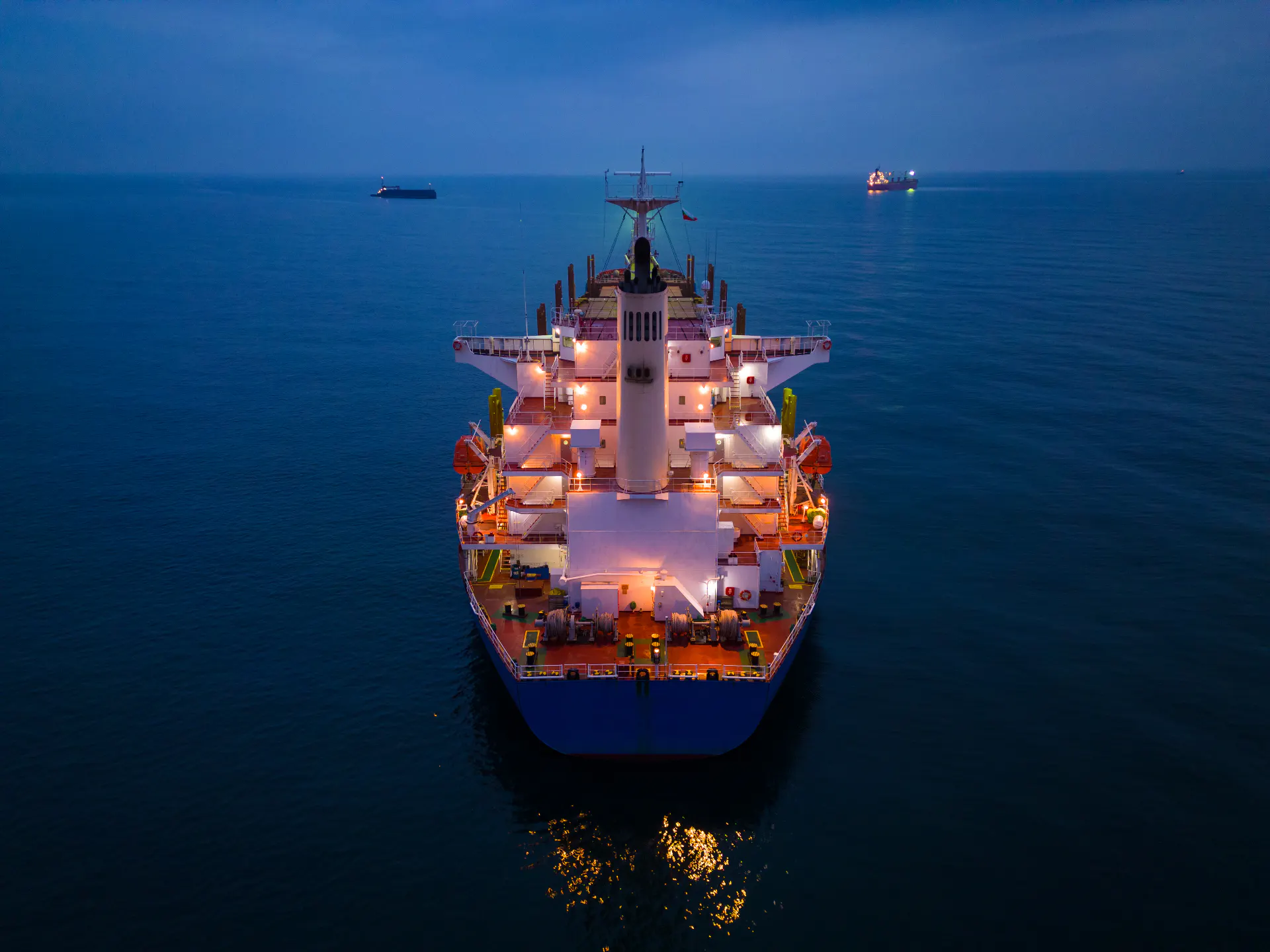
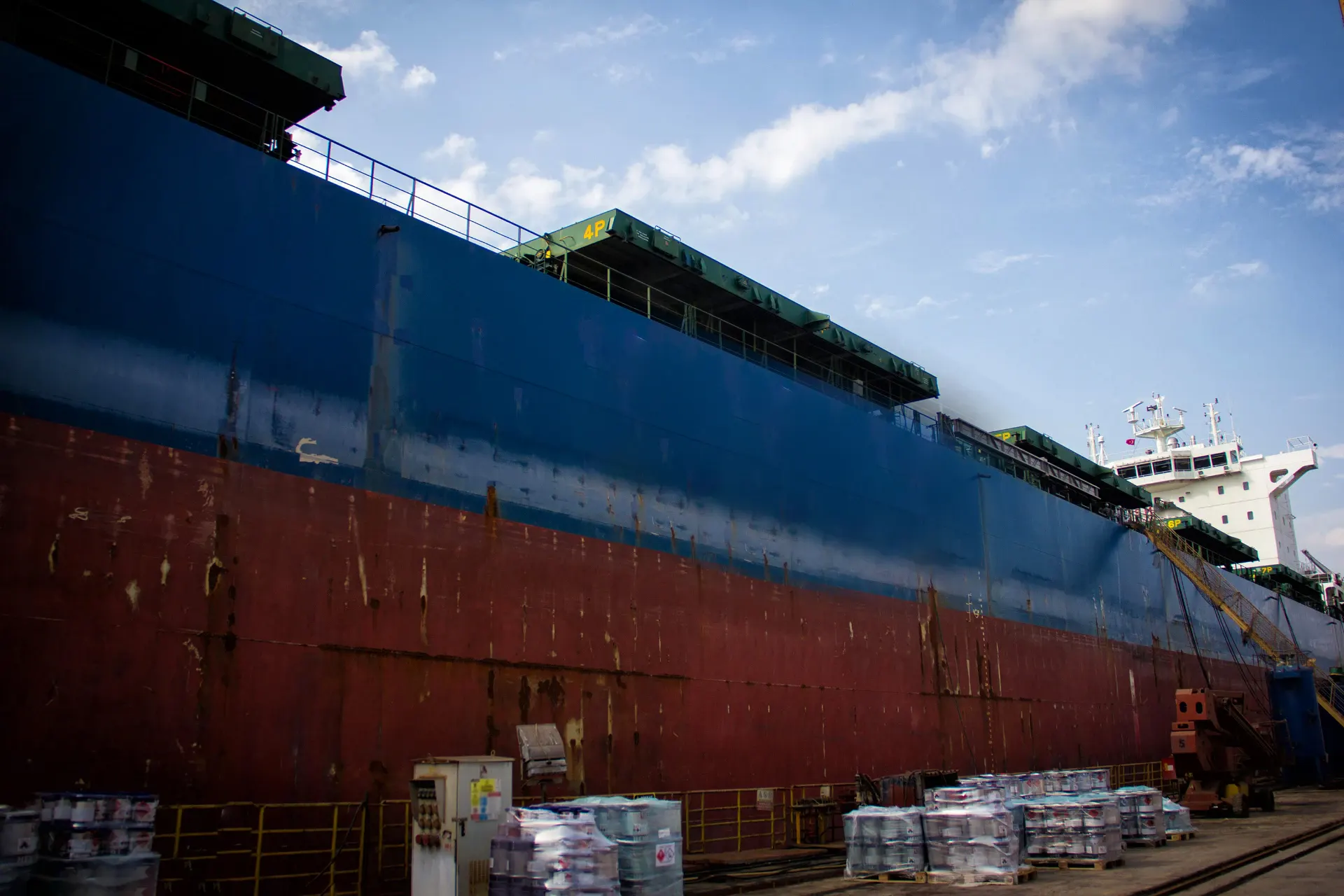
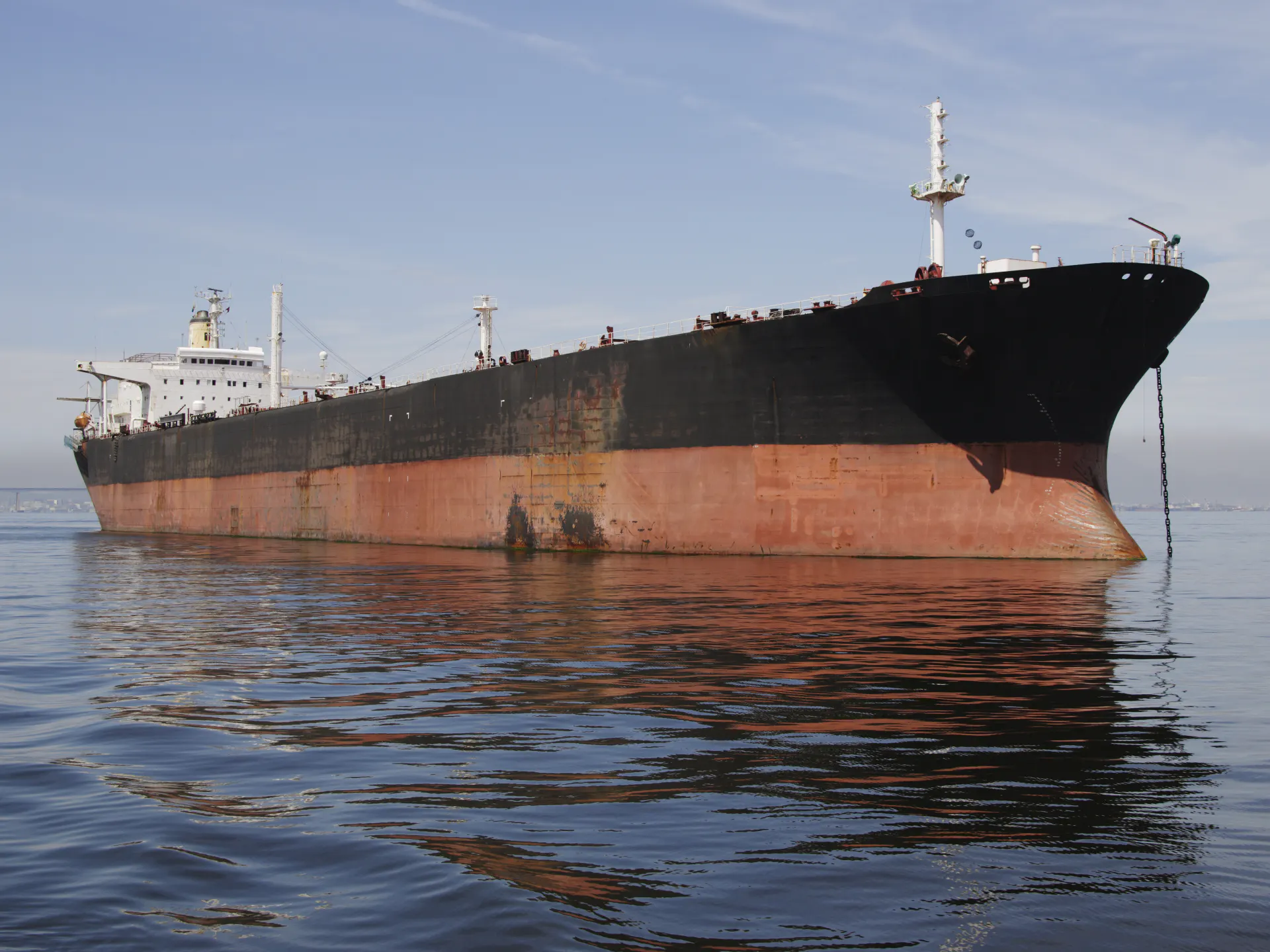
The sanctioned ro-ros of MG-Flot, Oboronlogistika and Baltic Freight Group load military cargo at Baltiysk for the Africa Corps
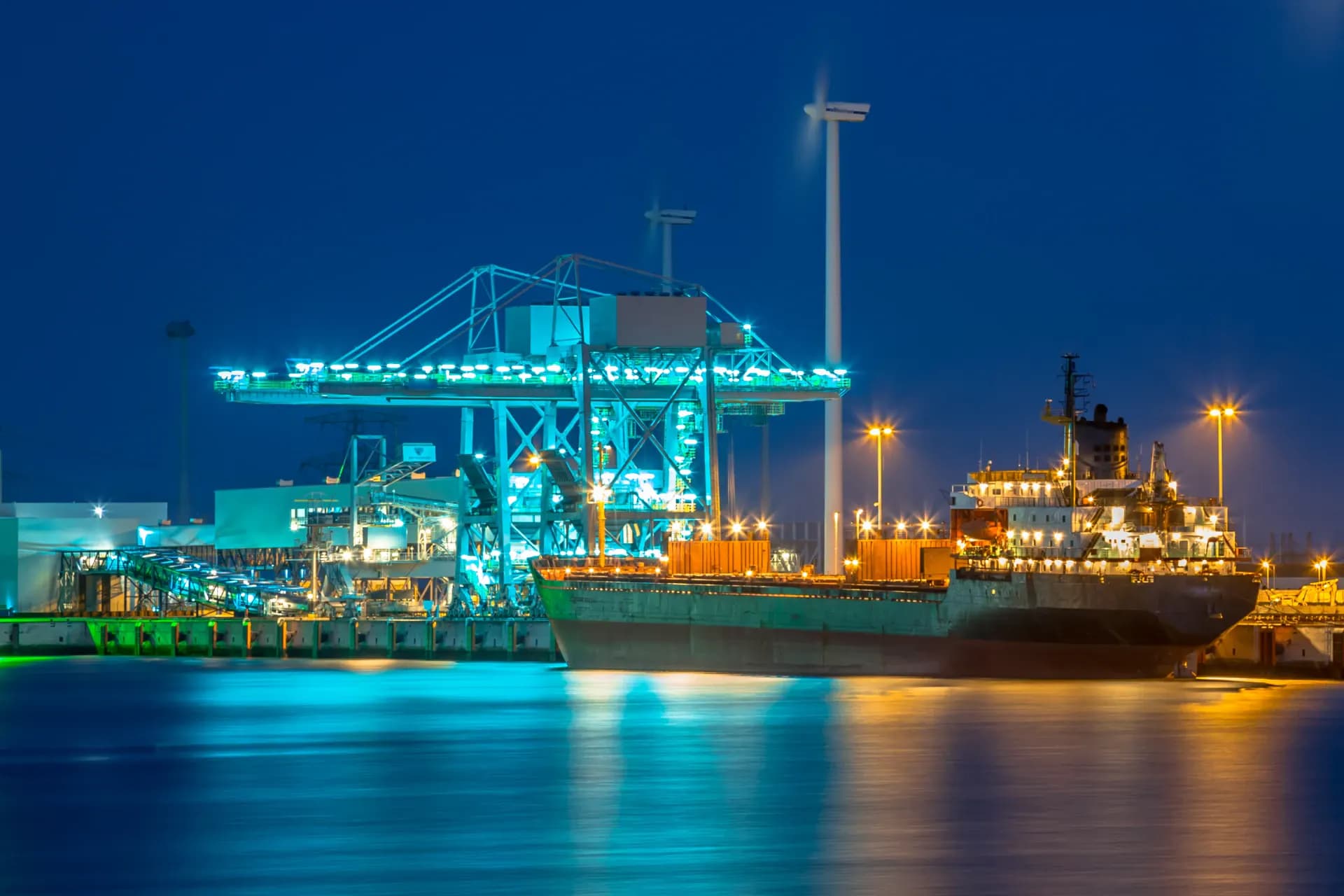
An investigation led by the Dossier Center has identified 28 passengers who boarded Russian cargo ships carrying military hardware to Africa and who appear in no other records. The organisation, funded by the exiled businessman Mikhail Khodorkovsky, reviewed records covering about 2,000 ships and found the 28 aboard seven cargo vessels. They boarded at Kaliningrad and were apparently not aboard when the ships returned to the Baltic.
The passengers are referred to as "ghosts". Their names do not appear in common Russian databases such as driving licence, voter and telephone records. Their passports were issued by offices previously linked to producing documents for the GRU, Russia's military intelligence service, are probably of an older format without a biometric chip, and carry sequential numbers that suggest they were made as a batch. None was used again, for example in advance passenger information systems, after the outward voyage. Experts consulted for the investigation suggested the passengers could be intelligence officers or defence-industry staff whose task may be to keep control of the crews and make sure the ships do not stop when European navies ask them to. Their identities have not been confirmed.
Which ships carry the cargo?
The route is well established. Ships load at the naval port of Baltiysk in Kaliningrad and have recently delivered to Conakry in Guinea, Bata in Equatorial Guinea, Lomé in Togo, Madagascar and Tobruk in Libya. Some cargo goes on to Burkina Faso, the Central African Republic, Niger and Mali. The main customer is the Africa Corps. In March 2026 the ship Sabetta delivered about 50 military vehicles to Conakry, from where they were sent on to Mali, with four passengers aboard who were likely travelling on forged documents.
Every Russian-flagged ship in the trade is sanctioned. Most belong to MG-Flot of Astrakhan: Adler, Anastasiia, Ascalon, Baltic Leader, Lady D and Lady Mariia. Moscow-based Oboronlogistika operates the ro-ro Sparta, and Baltic Freight Group of St Petersburg operates Yuriy Arshenevskiy. Several have spent long periods at anchor off sensitive coasts with no evident purpose: Lady Mariia off Port Said, Yuriy Arshenevskiy in the Dardanelles and Lady D for months off Famagusta.
The ships often sail with AIS switched off, through international waters and with naval escorts. Since the GRU's attempted murder of Sergei Skripal in Salisbury in 2018, which led to expulsions of intelligence officers under diplomatic cover worldwide, the service has relied more on officers working without such cover.
This story is part of the Maritime Briefing of 25 October 2026.
Ships in this story