US to let approved buyers take sanctioned tankers as EU arms IRINI against shadow fleet
Analysts count 14 to 24 sanctioned VLCCs that could realistically return; IRINI gains a shadow-fleet task until 2029
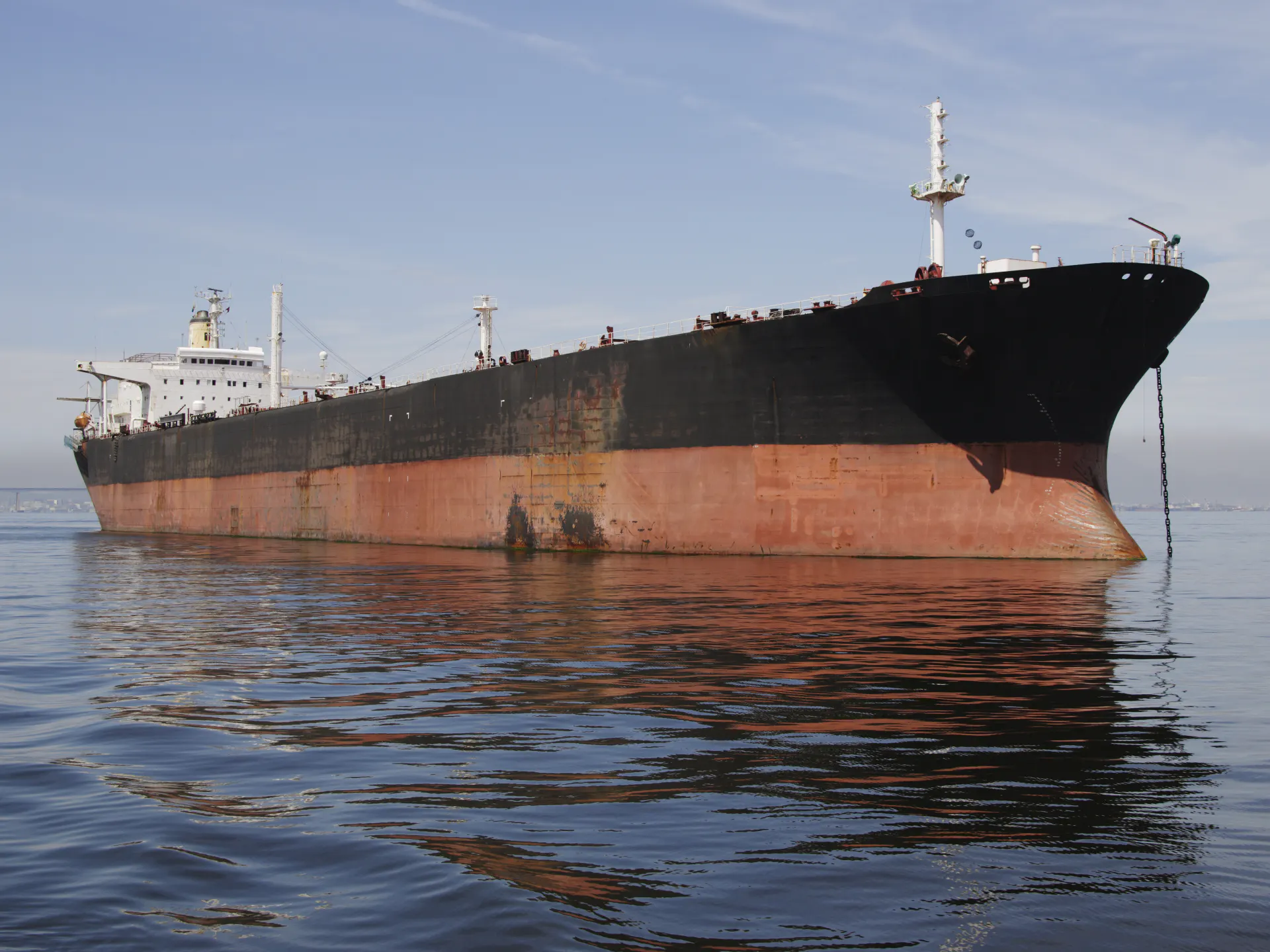
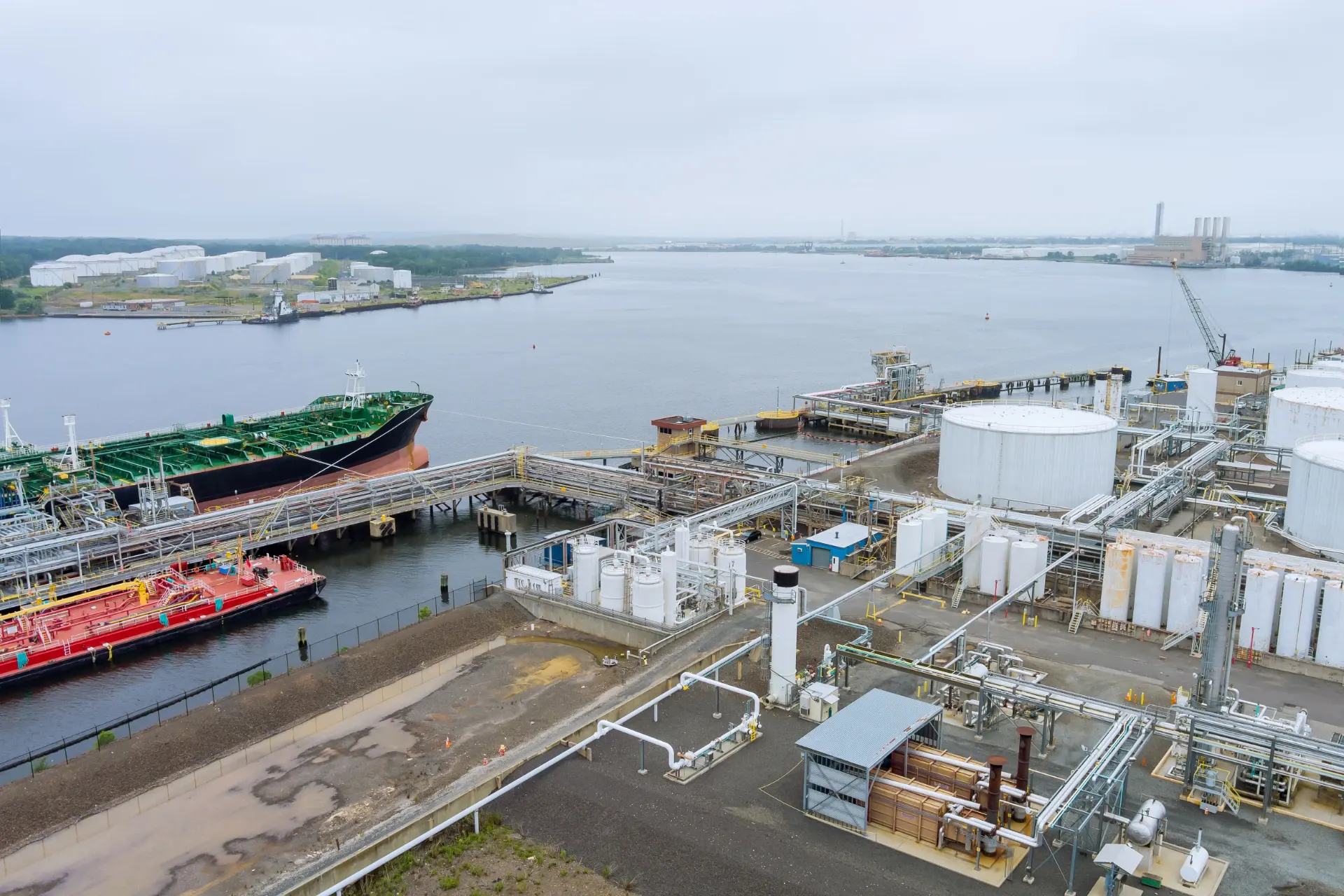
The US administration is authorising the sale of sanctioned oil tankers to approved investors, who would refurbish the ships and return them to legitimate crude trades. Energy Secretary Chris Wright disclosed the plan at a Citadel Securities event in New York on 19 October, as Washington tries to bring down freight costs driven up by the Hormuz crisis.
Wright said the government is building an approval process under which formerly blacklisted ships could trade under recognised owners, carrying only oil that is not under sanctions. "We're going to move some of the ships from what I call the 'bad-guy fleet' to the 'good-guy fleet'," he said. He stressed that this is not a blanket lifting of sanctions on Iranian or Russian oil. He put the global dark fleet at about 1,600 tankers and said dozens, possibly hundreds, could return to compliant trading. Companies wanting to use the ships would have to apply to the Treasury, and the Department of Energy has said the move would not help Russia ship its oil. Earlier this month Washington temporarily authorised trade in Russian diesel until 7 April 2027.
How many tankers could actually return?
Far fewer than the headline number, according to the analysts. Kpler counts only 24 of roughly 160 OFAC-sanctioned VLCCs that could realistically return to mainstream trading once ownership and age limits are applied, and says war risk in the Gulf, not ship numbers, is driving freight. Braemar sees an addition of just 19 VLCCs once Iran-linked and EU-sanctioned ships are excluded. Arrow Research puts the maximum at 22 tankers of all sizes, 14 of them VLCCs and none in the suezmax or aframax classes. BRS counts 148 deepsea tankers sanctioned by the US alone, 2.5% of the deepsea fleet, of which only 14 have been idle for more than three months. Insurers and service providers remain bound by EU and UK restrictions.
INTERTANKO said that legalising a ship does not settle its condition, ownership or insurance. "If additional tanker capacity is required, policy should encourage cargoes towards the quality, compliant fleet," the association said, warning that the move sends the wrong signal to owners who have invested in safety and compliance.
What is the EU doing instead?
The Council of the EU has renewed Operation IRINI, its naval mission in the Mediterranean, until 31 March 2029 and added three tasks: helping to limit Russia's shadow fleet, strengthening maritime domain awareness and protecting critical undersea infrastructure. The operation describes the Mediterranean as "a key transit and transfer area for Russia's 'shadow fleet', linking Russian oil exports to international markets and exposing European coastlines to maritime safety and pollution risks". Its ships can contribute through flag-verification boardings under Article 110 of UNCLOS.
IRINI's flagship, the Italian Navy's ITS Thaon di Revel, boarded the EU-sanctioned tanker Toa Payoh west of Pantelleria on 2 August. The tanker was not detained, and Russia's foreign ministry later accused the operation of unlawful inspections. On 12 October the EU also blacklisted 826 Russian companies, among them 23 shipyards and repair yards including Admiralty Shipyards, Sevmash, Severnaya Verf and Zvezdochka.
This story is part of the Maritime Briefing of 21 October 2026.
Ships in this story