Russian Black Sea Crude Loadings Fall 62 Percent Under Drone Campaign
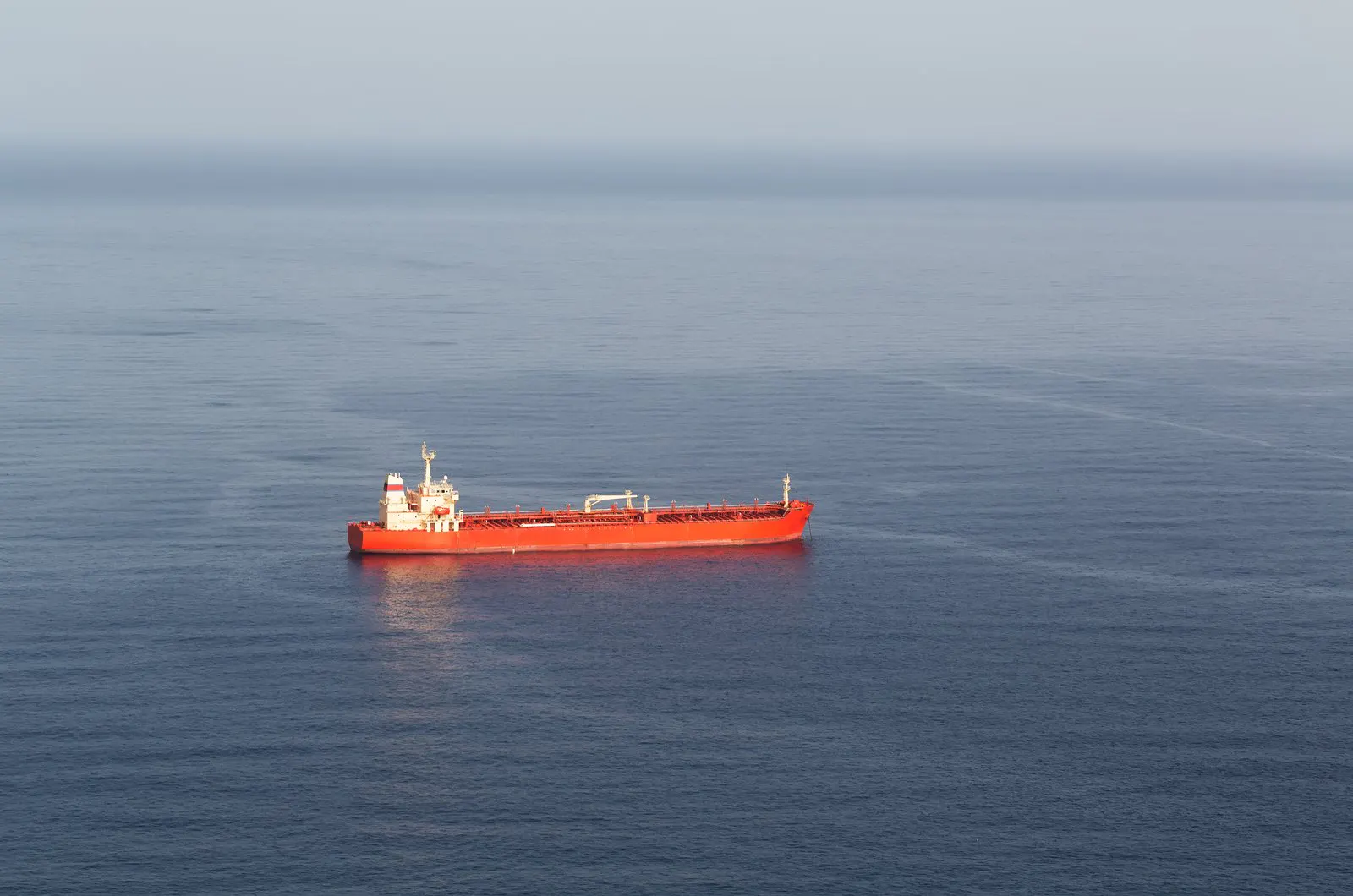
Crude loadings from Russian ports in the Black Sea and Sea of Azov have fallen by more than half under a sustained Ukrainian maritime drone campaign, according to analysis from the shipowners' association BIMCO. Loading averaged 0.98 million barrels a day over the most recent two-week period, against 2.59 million barrels a day across the previous four weeks, a reduction large enough to register in global tanker volumes rather than just regional ones.
The campaign, launched under the name Operation MoLoChKa, began as a drone effort against Russia-linked shipping in the Sea of Azov with the stated aim of disrupting the oil, fuel and cargo logistics used to circumvent sanctions and supply occupied Crimea. It initially targeted smaller vessels working out of Azov ports before expanding into the Black Sea on 15 July. By 28 July Ukraine claimed that more than 200 ships had been attacked. The disruption has reportedly contributed to Russia suspending navigation through the Kerch Strait and the Don-Azov Canal.
The damage has not been confined to Russian barrels. BIMCO's chief shipping analyst noted that Kazakh dirty tanker exports have been hurt as badly as Russian ones, with loadings from the Caspian Pipeline Consortium terminal at Novorossiysk down 62 percent over the same two weeks. Several of the Black Sea attacks appeared concentrated around that terminal even though nearly three quarters of its exports so far this year have been destined for European Union countries, an outcome that has drawn uncomfortable attention in Brussels.
India has been the single largest destination for crude from Russian Black Sea and Azov ports this year, taking a quarter of the volume. Shipments to India fell 66 percent over the two-week period. Aframaxes and Suezmaxes have split the trade roughly twenty to eighty, and both segments saw similar reductions, indicating a broad withdrawal rather than a shift between vessel sizes.
The wider market effect is measurable. Exports from Russian Black Sea and Azov ports have accounted for five percent of global dirty tanker loadings this year. Should volumes continue at the reduced levels, BIMCO estimates global dirty tanker volumes could decline three percent in a market already contending with a 5.6 percent fall so far this year against the same period in 2025. That is an unusual configuration for owners: a war-driven disruption that removes cargo from the market rather than lengthening the voyages that carry it.