Russia Builds an LNG Shadow Fleet Ahead of the EU's 2027 Ban
At least eight used carriers and two Zvezda newbuilds added in six months
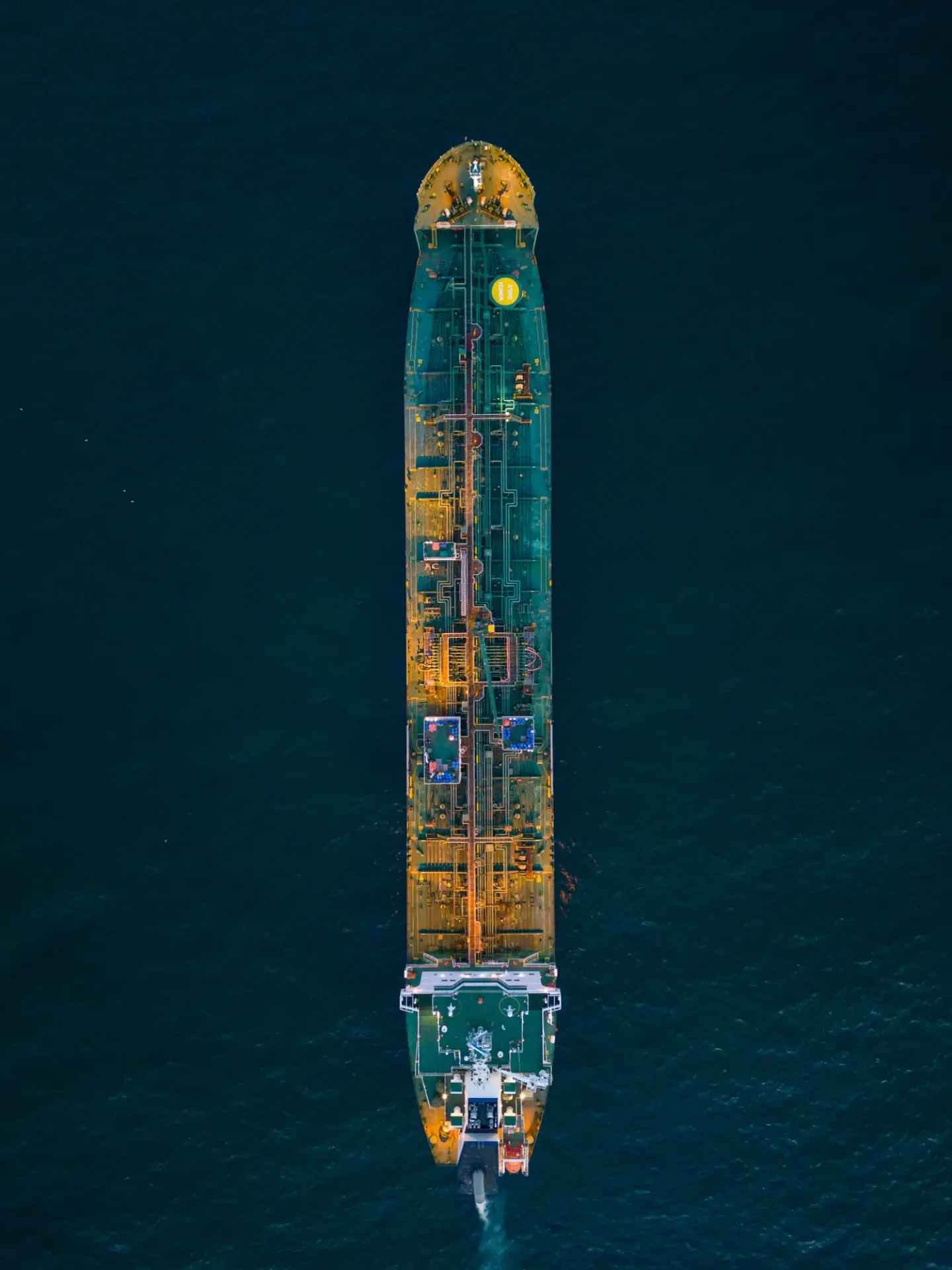
Russia is moving to create a shadow fleet of liquefied natural gas carriers as the European Union advances toward a complete ban on Russian LNG imports, scheduled to take effect on January 1, 2027.
Moscow is buying ageing LNG carriers on the secondary market while also commissioning new vessels of its own, according to Ukraine's Foreign Intelligence Service.
More than 65 percent of Russian LNG production comes from Novatek's Yamal LNG and the sanctioned Arctic LNG 2 projects, with another 30 percent from Gazprom's Sakhalin-2. China is currently the main buyer of Arctic LNG 2 cargoes, which are moved by 11 vessels with an average age of about 10 years.
Building an LNG equivalent of the oil shadow fleet is a harder proposition. Unlike conventional crude tankers, LNG carriers require highly specialised cryogenic systems capable of holding natural gas as a liquid at around minus 162 degrees Celsius, and a modern carrier can cost up to $300 million to build.
Rather than ordering large numbers of new ships, Moscow is turning to vessels the global industry is already retiring. Many of the ships being acquired are more than 19 years old.
Over the past six months alone, Russia has added at least eight used LNG carriers and two newly built vessels from the Zvezda shipyard at Bolshoy Kamen in Primorsky Krai. Many of the ships are registered to Russia-linked companies based in Dubai, Hong Kong and Singapore.
By 2026 the Russian LNG shadow fleet had grown to 25 identified vessels.
The economics that made an oil shadow fleet straightforward do not transfer cleanly. LNG requires specialised ships, Arctic-capable infrastructure and a considerably more complicated logistics chain, which limits how quickly acquired tonnage can be turned into working capacity.