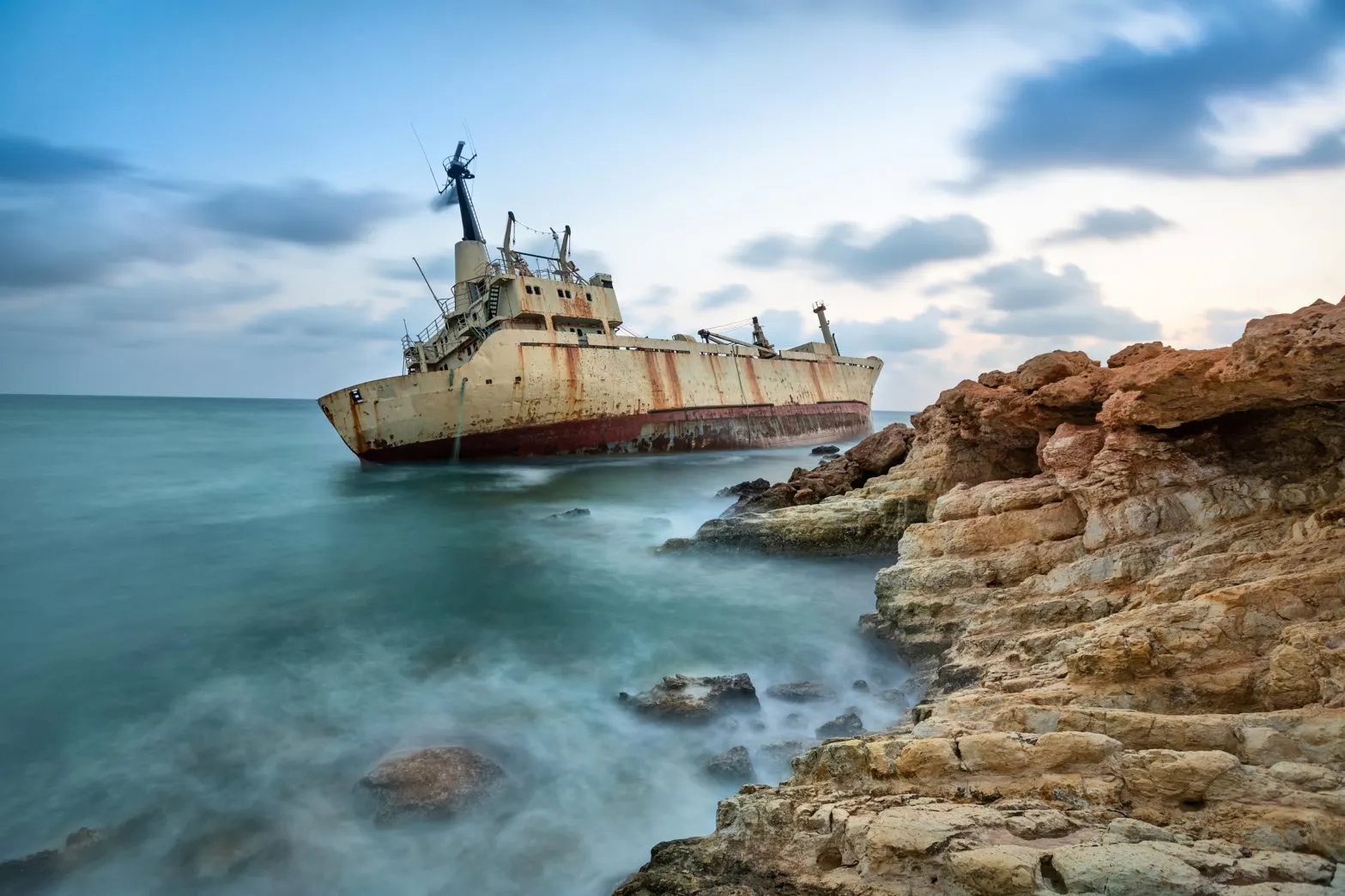
Russia intensifies attacks on civilian shipping in Ukrainian ports
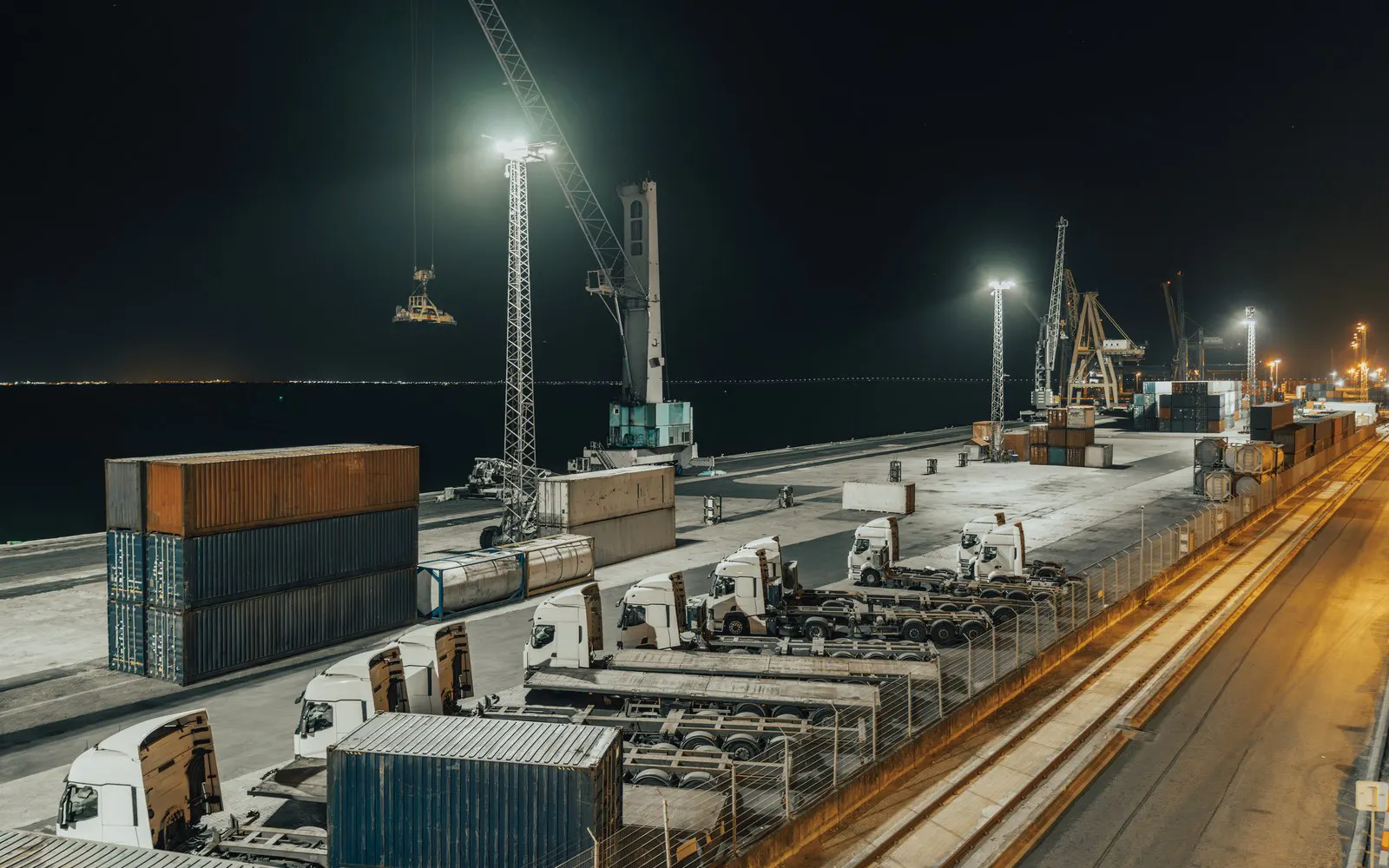
Attacks on shipping in Ukrainian ports have escalated sharply, with strikes at Mykolaiv over two consecutive days damaging vessels that in several cases had not moved since the start of the war. Two Shahed drones hit the port of Mykolaiv on 2 August, damaging port infrastructure and two ships. The following day a civilian tugboat was struck and caught fire and three further vessels were damaged, in what was unusually a daylight attack.
The scale over a longer period is set out in Ukrainian government figures. The country's reconstruction and infrastructure ministry recorded 67 attacks on seaport facilities during July, with 35 vessels attacked in ports and a further 22 attacked in the sea corridor. Five attacks have already been reported in the opening days of August. Ten people have been injured in recent shelling.
What makes the current phase distinctive is the choice of target. The acting head of the Mykolaiv regional military administration, Heorhii Reshetilov, said Russian forces are systematically attacking civilian ships, including vessels that had already been damaged and were no longer conducting cargo operations. Ukraine's seaports authority stated that the damaged vessels had been blockaded in the ports since the full-scale invasion in 2022 and had not been carrying out commercial voyages.
Moscow's account differs fundamentally. In an earlier incident in the Mykolaiv region on 28 July, in which three civilian vessels were damaged and a 48-year-old man was killed, the Russian defence ministry said it had struck two vessels carrying military cargoes. Neither characterisation has been independently verified, and the two versions cannot be reconciled: one describes idle hulls, the other describes military logistics.
For the shipping industry the practical question is what remains insurable. Vessels immobilised in Ukrainian ports since 2022 are already a total-loss problem in slow motion, and repeated strikes on them remove any remaining prospect of recovery or sale. The wider corridor traffic faces a different calculation, since attacks in the sea corridor at the July rate make the difference between a workable war-risk premium and no cover at all. Neither problem is resolved by the grain corridor arrangements that govern the commercial trade.