Romanian F-16s Destroy Explosive Drone at Neptun Deep Gas Field
An uncrewed surface vessel came within a few hundred yards of a working pipelayer off Constanta
Security personnel at the Neptun Deep offshore gas project in the Black Sea spotted a loitering naval drone on Thursday, sitting within a few hundred yards of an active work area. Images from the scene show the uncrewed surface vessel a short distance from a pipelayer's stinger.
The Romanian Coast Guard passed the sighting up the chain of command and the response was immediate. Romanian Defence Minister Radu Miruta said the decision to destroy the drone was taken to protect the lives of the several hundred people working on the platform and to secure critical infrastructure, and that for speed two Romanian F-16 fighter jets were dispatched with a firing order.
The jets strafed the drone with cannon fire, striking and disabling it. The hull remained intact, so explosive ordnance disposal divers were sent to finish the job. They determined that it was full of explosives.
Romania's president took the unusual step of naming Russia directly. President Nicusor Dan said he strongly condemned the intensification of these types of irresponsible incidents on the part of the Russian Federation. European Commission President Ursula von der Leyen described the attack as hybrid warfare but did not identify the owner of the drone.
The incident follows a pattern rather than breaking one. Days earlier, two Gerbera-type aerial drones were found floating adrift near the project and were inspected and destroyed by Romanian military divers. Aerial drones have also entered Romanian airspace near the Ukrainian border, three of which were shot down in July.
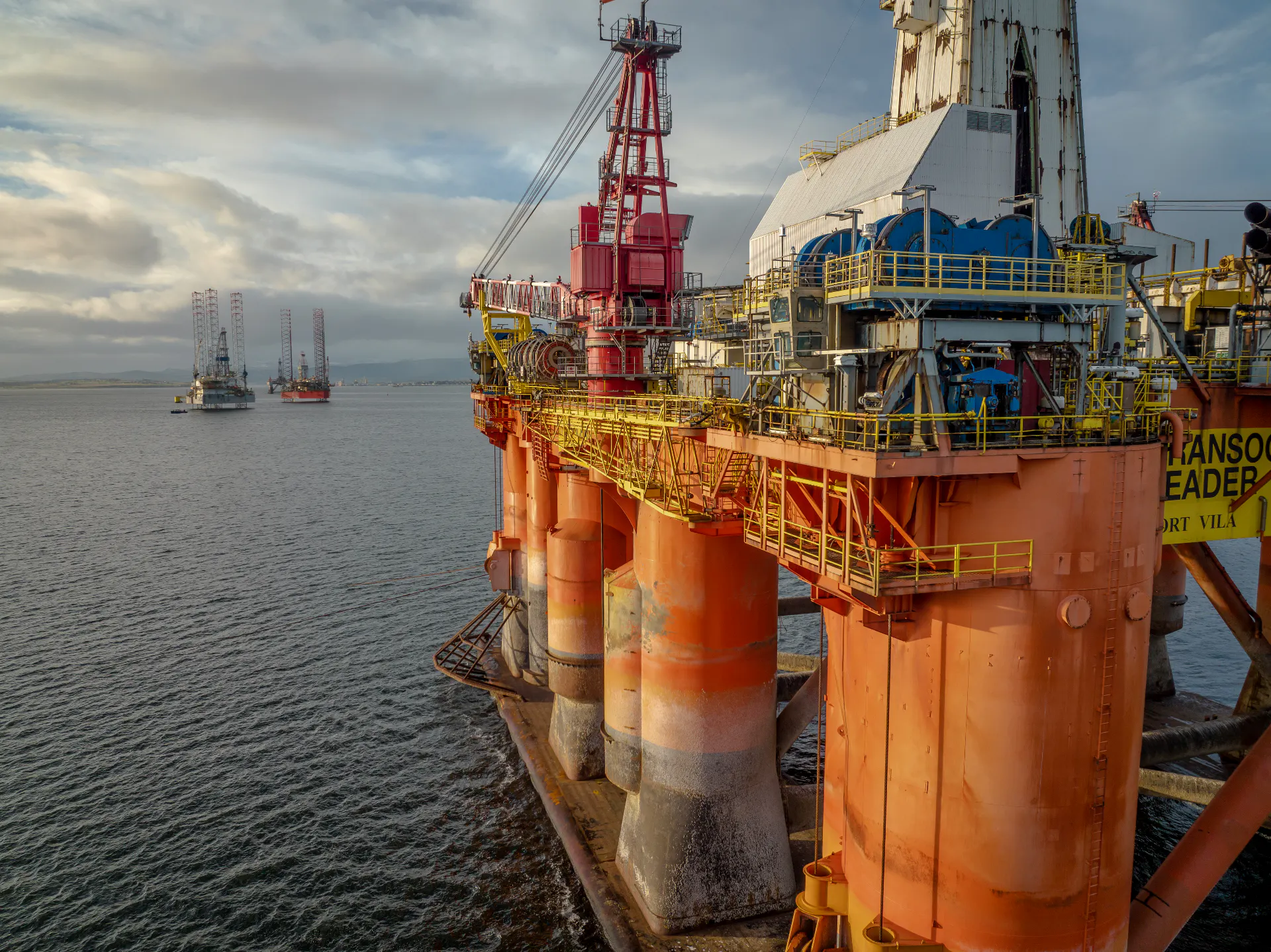
Neptun Deep sits in one of the most contested stretches of water in the world, in a theatre where Russia and Ukraine have repeatedly traded anti-shipping strikes. Work is continuing regardless. The semisubmersible rig Transocean Barents is on location partway through a ten-well drilling campaign.
The wider development includes three subsea production systems, the Neptun Alpha production platform recently installed by Saipem, and an 85-nautical-mile export pipeline back to shore. Total capital cost is about $4 billion, and the partners are targeting first gas in 2027. The project's security exposure is now a line item in that schedule.