Qatar LNG Exports Collapse 96 Percent to Just 18 Cargoes in Six Months
Missile damage at Ras Laffan removed 12.8m tonnes per annum and repairs may take five years
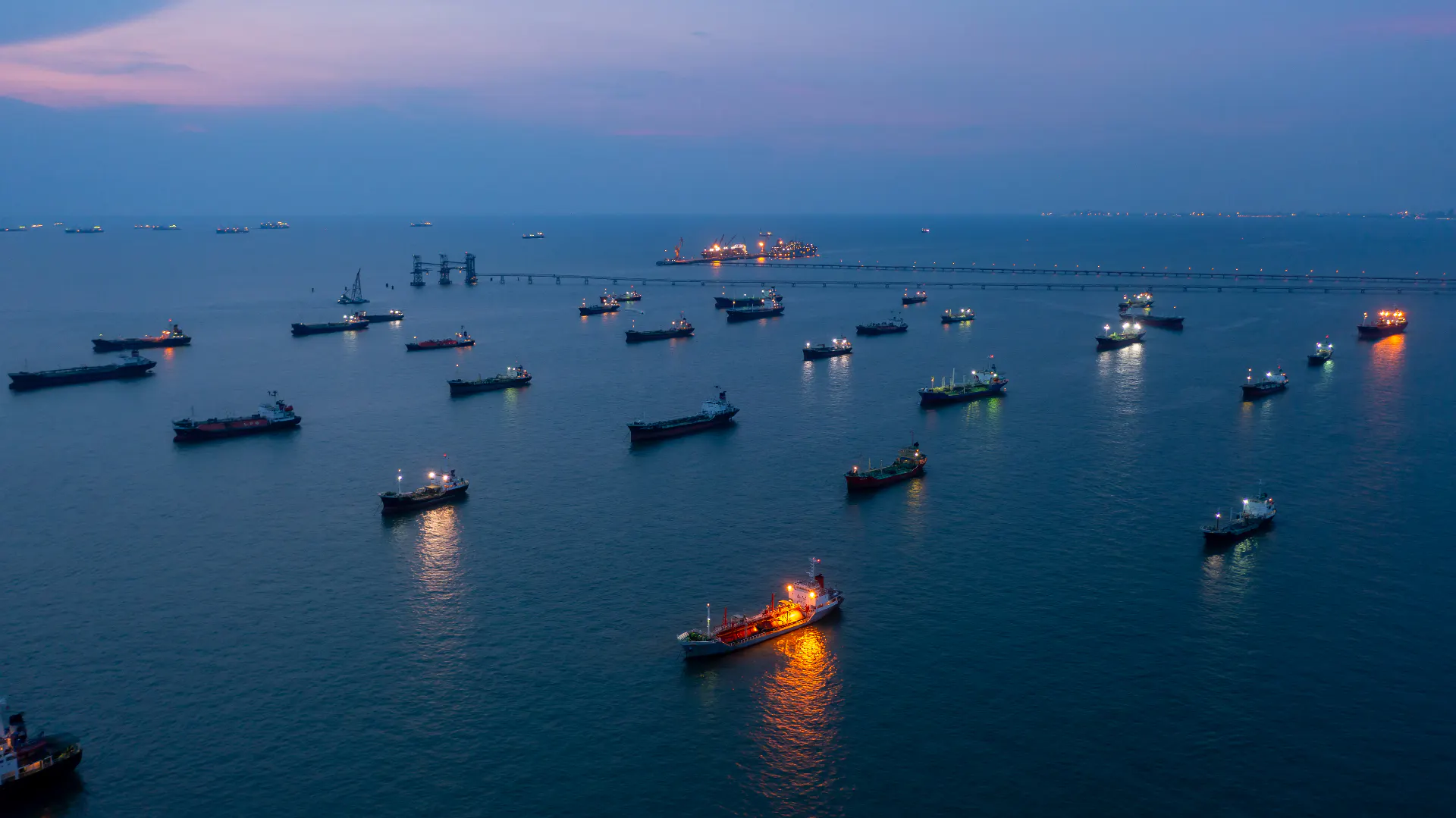
Qatar's LNG exports have collapsed 96 percent over six months to just 18 cargoes, down from 509 in the same period a year earlier, leaving an estimated $24bn shortfall in gas sales. That figure is equivalent to roughly five months of Qatar's income based on 2025 numbers.
The scale of the slump is significant for LNG shipping. Qatar supplied about 20 percent of global daily LNG before the disruption, while restrictions on traffic through the Strait of Hormuz have sharply curtailed loadings from Ras Laffan.
The physical damage compounds the transit problem. Iranian missile strikes in March damaged LNG trains 4 and 6 at Ras Laffan, removing 12.8m tonnes per annum of capacity, equivalent to about 17 percent of Qatar's LNG exports. QatarEnergy president and chief executive Saad Sherida Al-Kaabi said repairs could take three to five years. The company would also have to declare force majeure on some long-term LNG contracts with customers in China, South Korea, Italy and Belgium.
Shipping risk has added a third layer. The Qatari LNG carrier Al Rekayyat, owned by Qatar Gas Transport Company, was badly damaged in July while sailing on the Omani side of the Strait of Hormuz. Its crew was evacuated safely.
Exports showed a limited recovery in July, reaching 1.52m tonnes from 1.23m tonnes in June, a rise of 23 percent. Volumes were still 78 percent below the 6.82m tonnes shipped in July 2025.
Other suppliers have absorbed part of the gap. US LNG exporters shipped more than 73m tonnes between January and July, up 23 percent year on year, with Europe and Asia together taking more than 80 percent of American cargoes.
European storage remains the pressure point. EU gas inventories were just under 58 percent full in early August, the lowest level for that point of the year since records began in 2011. European gas prices had nearly doubled from pre-disruption levels by late July, while fourth-quarter forward prices stood at about $21.50 to $22.50 per million British thermal units.
QatarEnergy owns, regulates and operates Ras Laffan Port and had planned to raise Qatar's LNG production capacity from 77m tonnes per annum to 142m tonnes per annum by the end of 2030.
Ships in this story