Putin Threatens Mirror Response To EU Seizure Of Shadow Fleet Cargoes
President Vladimir Putin has promised retaliation against any European move to seize merchant ships carrying Russian cargo, describing the measures as piracy and banditry and saying Moscow would respond in kind. The remarks were made during a visit to the Russian Navy's Pacific Fleet exercises and were pointedly not limited to European waters: any Russian response, he said, would come wherever it was deemed necessary and appropriate, including in the Pacific Fleet's area of responsibility.
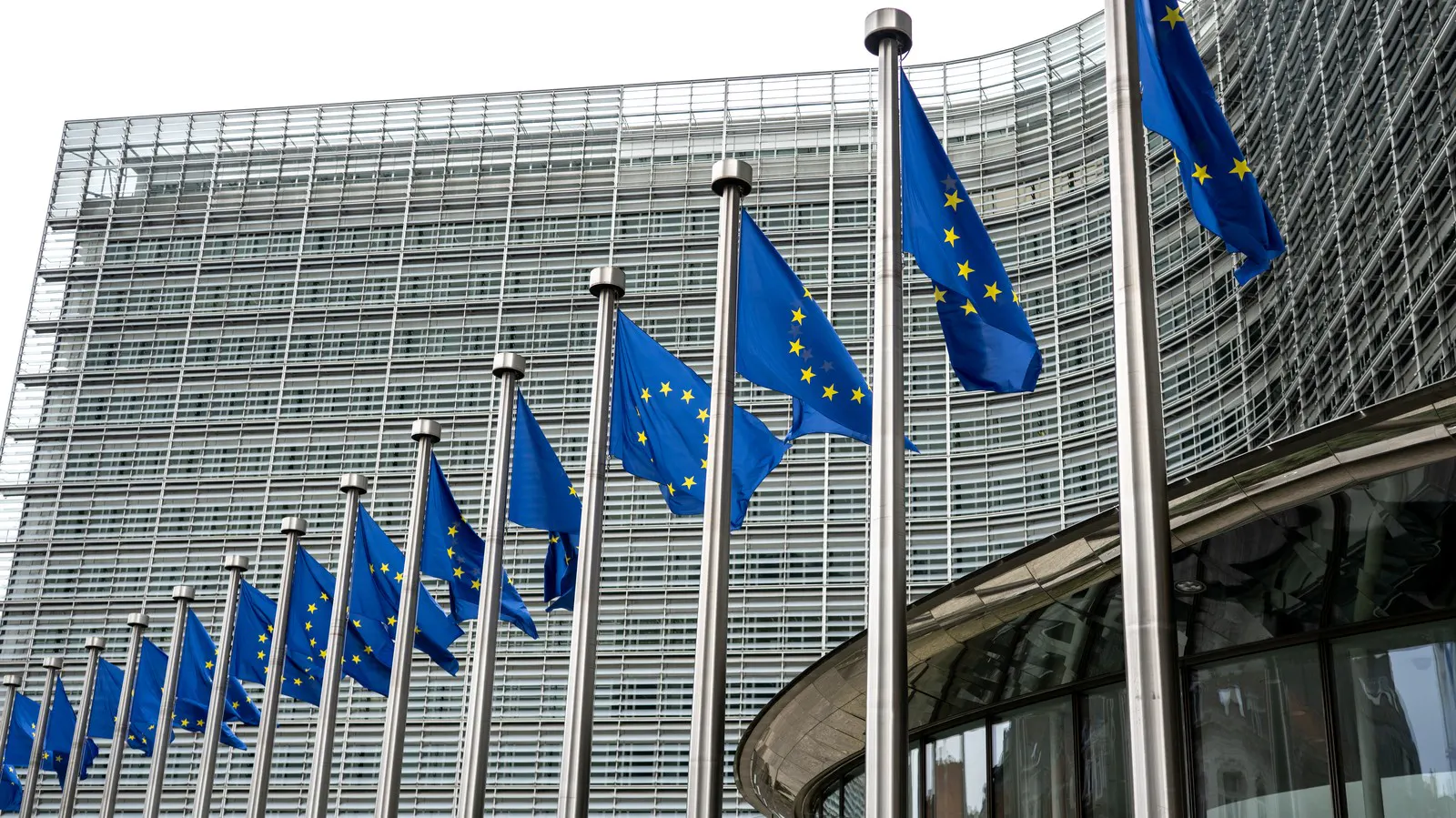
The comments follow European Union approval of a mechanism allowing the sale of crude oil and other cargo confiscated from vessels associated with what has become known as the shadow fleet. That term has no standing in international maritime law, a point Moscow has repeatedly pressed, and the Russian transport ministry has argued that the wider pattern of interceptions amounts to a legal crisis in how the law of the sea is understood and applied.
The dispute turns on a genuine gap. Sanctions regimes are national or regional instruments, while the legal framework governing merchant shipping on the high seas is global and built around freedom of navigation and the primacy of flag state jurisdiction. Coastal states have well-established powers within territorial waters and in cases of piracy, slaving or unflagged vessels, but confiscating and selling the cargo of a foreign-flagged ship on commercial grounds sits well outside those categories.
For owners, charterers and insurers the practical question is exposure. A threat to respond against ships belonging to European countries, made without geographic limit, converts a legal argument into an operational risk assessment that must be made voyage by voyage. War risk underwriters have already been repricing large parts of the world's shipping lanes over the past year, and a stated willingness to detain vessels in reprisal is precisely the kind of development that moves premiums and narrows the pool of owners willing to trade certain routes.
Whether the threat is acted on is a separate matter from whether it is priced. The Pacific Fleet reference is notable because it points to waters far from the Baltic and Black Sea theatres where the confrontation over Russian oil exports has so far played out, and where European-owned tonnage trades in volume with no connection to Russian cargoes at all. That is the mechanism by which measures aimed at one trade come to affect the cost and availability of shipping across several others, regardless of how the underlying legal argument is eventually resolved.