Product tanker deliveries set for a sixteen-year high
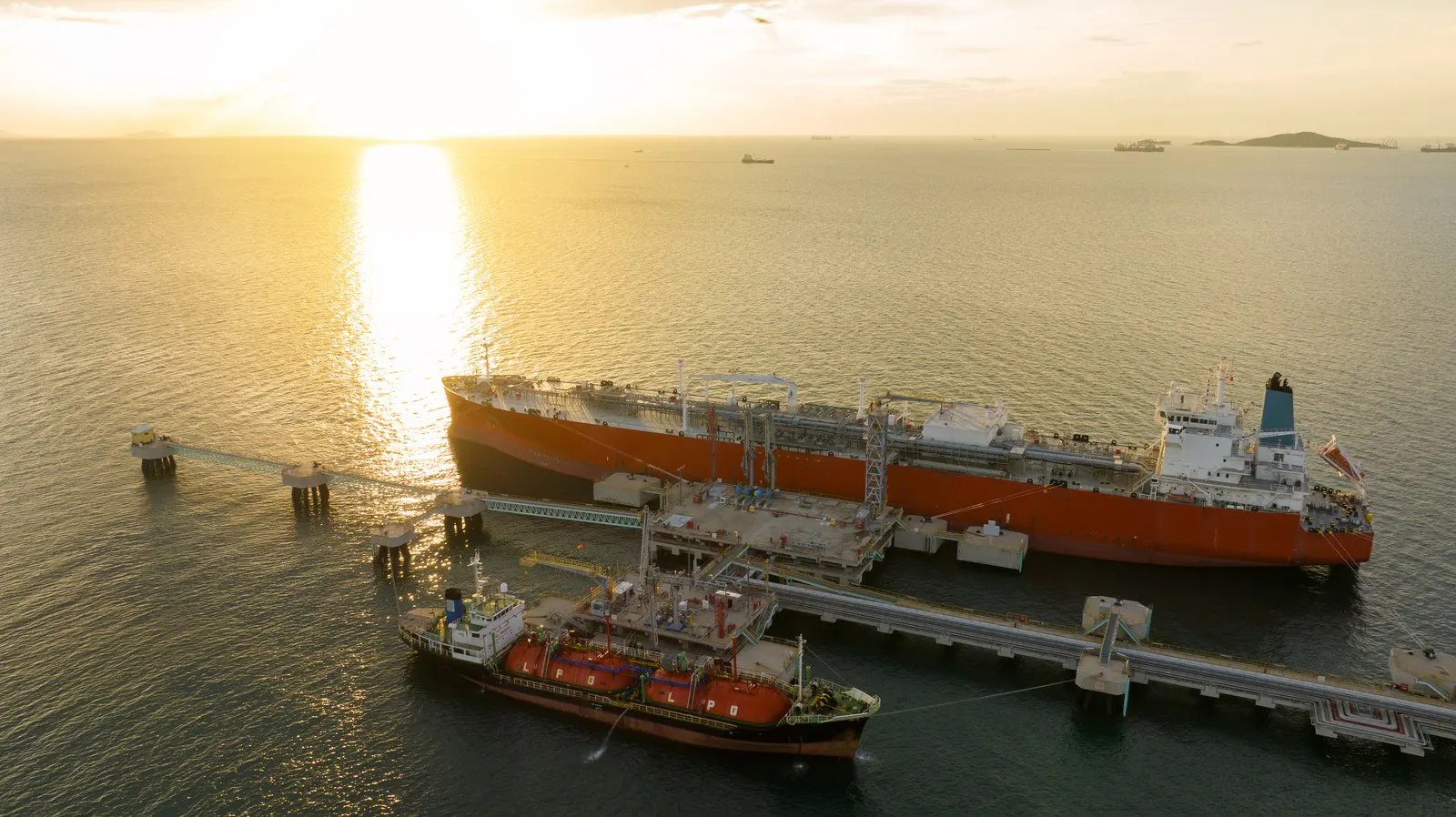
New deliveries of product tankers are forecast to reach 12m dwt in 2025, an increase of 256% from 3.4m dwt in 2024. Analysts describe the figure as a sixteen-year high and the second highest on record. In vessel terms the swing is equally sharp: 2024 deliveries totalled just 49 ships, the lowest since 2001, rebounding to 179 vessels of more than 10,000 dwt.
The surge originates in a two-year ordering spree. Across 2023 and 2024, 551 ships totalling 38.7m dwt were contracted, far above the ten-year annual average of 122 ships and 7.3m dwt. The orderbook expanded from 10.6m dwt at the start of 2023 to 41.2m dwt at the beginning of 2025, lifting the orderbook-to-fleet ratio from 6% to 22%. Nearly three-quarters of the ships scheduled for delivery were contracted within the previous two years.
The composition tilts towards the larger sizes. MR product tankers accounted for the largest number of orders at 278 vessels, while LR2 tankers represented the greatest deadweight at 19.2m dwt. Deliveries are expected to include 98 MR tankers and 52 LR2 units. Measured against fleet size at the start of the year, the arrivals expand handysize capacity by 2%, MR by 6%, LR1 by 3% and LR2 by 12%, so the pressure falls unevenly across the segments.
The fuel picture is the least encouraging part of the figures. Only 7% of the ships due are capable of using alternative fuels, with a further 12% suitable for retrofitting. That means more than four-fifths of a delivery wave arriving now will be burning conventional fuel through the 2040s, at a point when the regulatory direction for the decade after that is already visible.
Compounding the problem, recycling has been slow, raising the average age of the product tanker fleet by more than two and a half years since 2020 and delaying both renewal and decarbonisation. An orderbook of this size normally accelerates scrapping as older tonnage is displaced, and the absence of that response leaves owners carrying an ageing fleet and a large delivery programme at the same time. Whether the market absorbs the tonnage depends on refinery dislocation continuing to lengthen product voyages, which is currently the main thing supporting the trade.