Port Houston Impact Study Puts Economic Activity Near One Trillion Dollars
The assessment ties 3.5 million jobs nationwide to trade through the ship channel
Port Houston's latest economic impact assessment estimates that the port supports nearly $1 trillion in economic activity, roughly three percent of United States gross domestic product.
The study, an update performed by Martin Associates on behalf of the port, builds on previous work carried out in 2022. By 2025 the economic activity supported by the port had risen by about $100bn, reflecting substantial growth in business along the Houston Ship Channel.
The employment figures follow the same shape. The study found the port's economic activity supports 3.5 million jobs nationwide, one in every 50 jobs in the country, including 1.9 million jobs in Texas alone, up 22 percent since 2022.
The great majority of those positions depend on trade through the port to varying degrees but are not directly linked to its daily operations. A much smaller number, about 92,000 positions, are directly employed with the port, its terminal operator partners or contractors. Those waterfront posts are comparatively well paid, bringing home $8.5bn a year in wages, an average of about $92,000 per person.
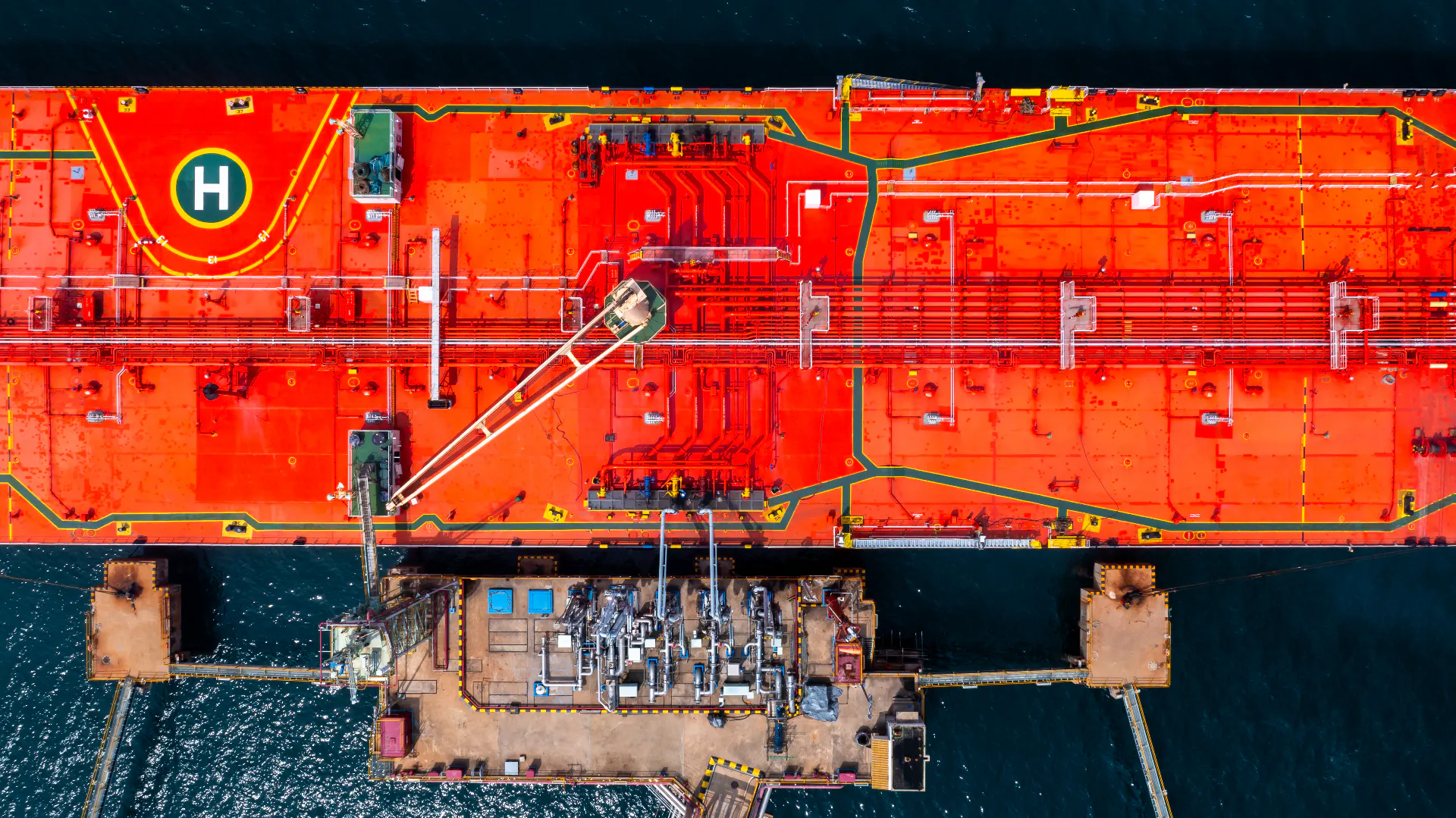
The national reach of the figure is driven in large part by the port's petroleum and chemical trade. Port Houston's terminals handle nearly 300 million tons of cargo a year, the overwhelming majority in the form of liquid bulk.
"The Houston Ship Channel is one of the country's most important economic corridors, and these findings demonstrate its impact far beyond our region," said Charlie Jenkins, chief executive of Port Houston. "Manufacturers, energy producers, businesses, and consumers across the country depend on this critical gateway to move products."
Economic impact studies of this kind count activity supported by a facility rather than activity that would cease without it, which is why the headline figures reach well beyond the port gate. The concentration of refining and petrochemical capacity along the channel is what gives Houston an unusually long inland tail compared with container-led gateways.