Pilbara Ports passes 800m tonnes for the first time
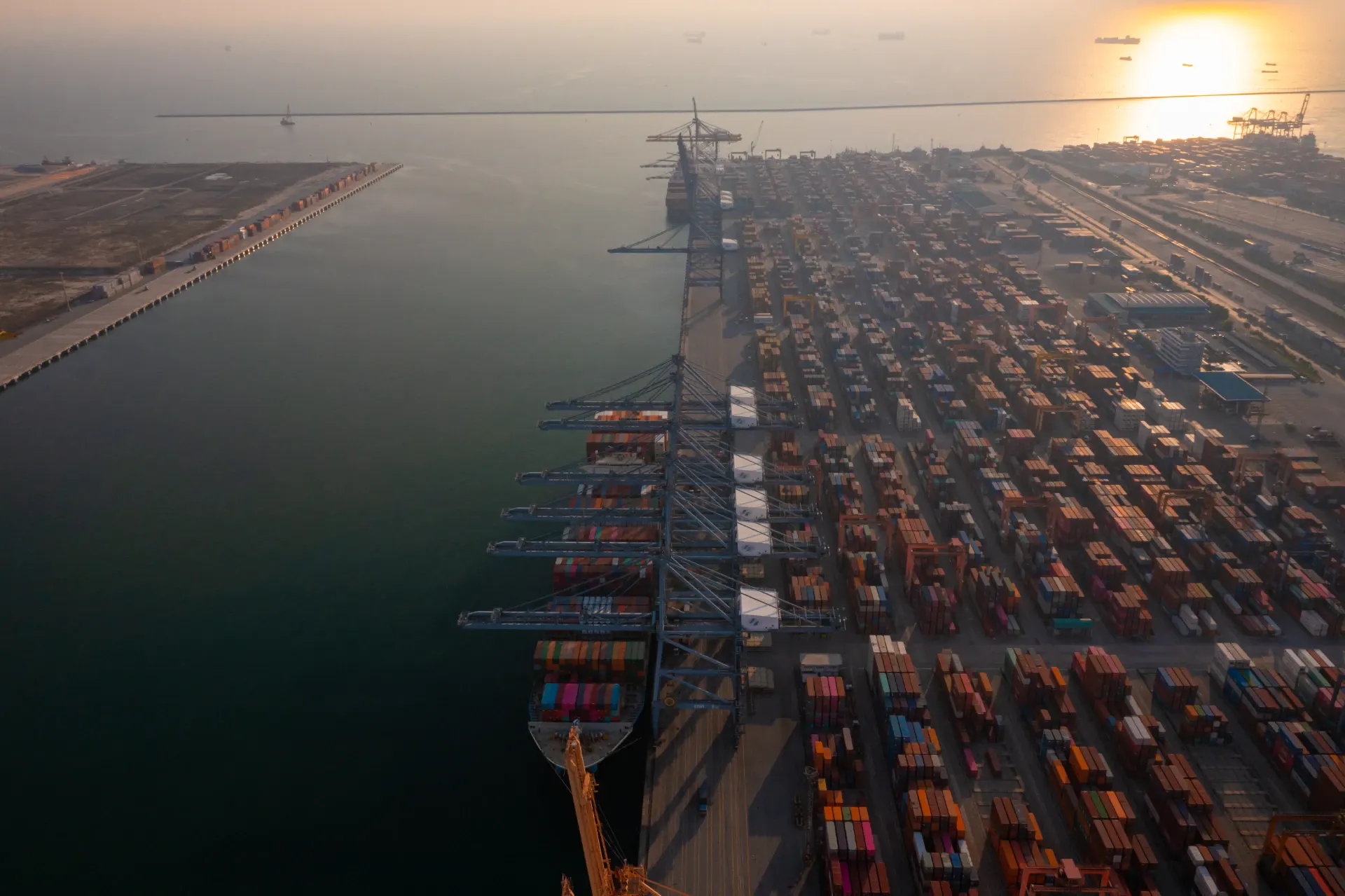
Pilbara Ports has moved 804.1 million tonnes of cargo in the 2025-26 financial year, passing the 800 million tonne mark for the first time and up from 775.7 million tonnes a year earlier. The increase is the largest year-on-year gain since 2017-18, and the cargo handled carries an export value estimated at around 150 billion dollars.
Port Hedland accounted for 580.4 million tonnes of the total, with Dampier handling 178.3 million and Ashburton 45.2 million. Iron ore remained overwhelmingly dominant, rising four percent to 759.4 million tonnes. Liquefied natural gas contributed 26 million tonnes and salt 5.3 million, a reminder that while the ports are effectively an iron ore export system, the other trades are not trivial in absolute terms.
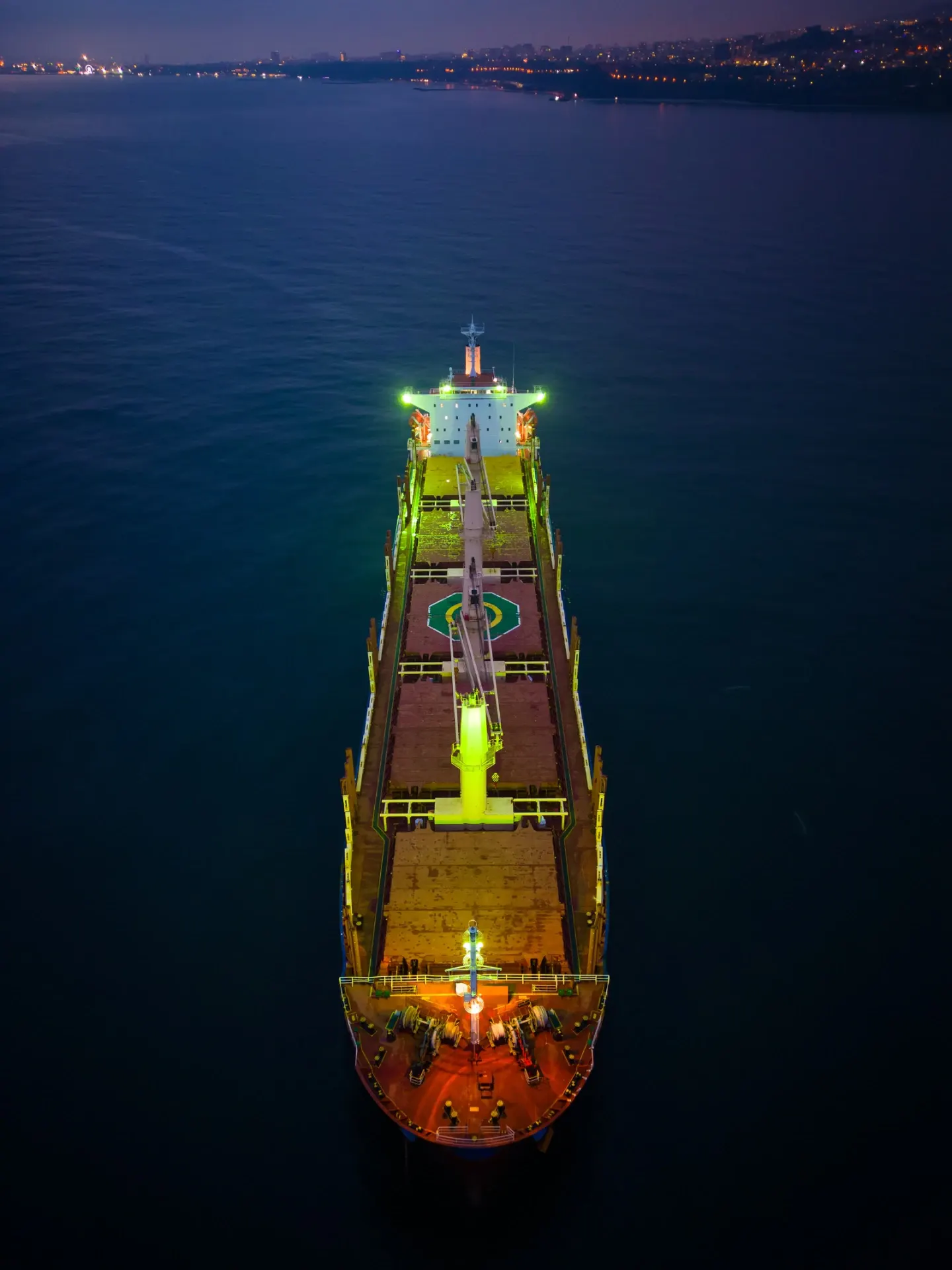
Vessel movements rose in step. The ports recorded 9,499 safe vessel visits, an increase of nine percent, averaging around 26 arrivals and departures a day across the three facilities. Sustaining that tempo without incident is the operational achievement underlying the tonnage figure, since the loading berths at Port Hedland in particular work to tidal windows that leave little slack in the schedule.
The scale of the throughput makes the ports a significant variable in the dry bulk freight market. Capesize earnings are strongly influenced by how much iron ore leaves Western Australia and how evenly it is spread through the year, and a record annual volume with a rising vessel count implies steady rather than lumpy demand for tonnage. Charterers watch the loading programme here as closely as they watch Brazilian shipments.
Chief executive Samuel McSkimming has emphasised the community dimension alongside the operational figures, with 1.17 million dollars distributed across 76 community organisations during the year. Ports of this scale sit in small towns whose infrastructure and workforce are shaped almost entirely by their presence, and the sponsorship programme is part of how that relationship is managed as throughput continues to climb. Whether the record can be extended is largely a question of mine expansion rather than port capacity. The channel and berth infrastructure has absorbed successive volume increases without a corresponding rise in incidents, which suggests the constraint for now lies inland rather than at the waterfront.