Petrobras squeezes extra 134,000 barrels a day from existing platforms
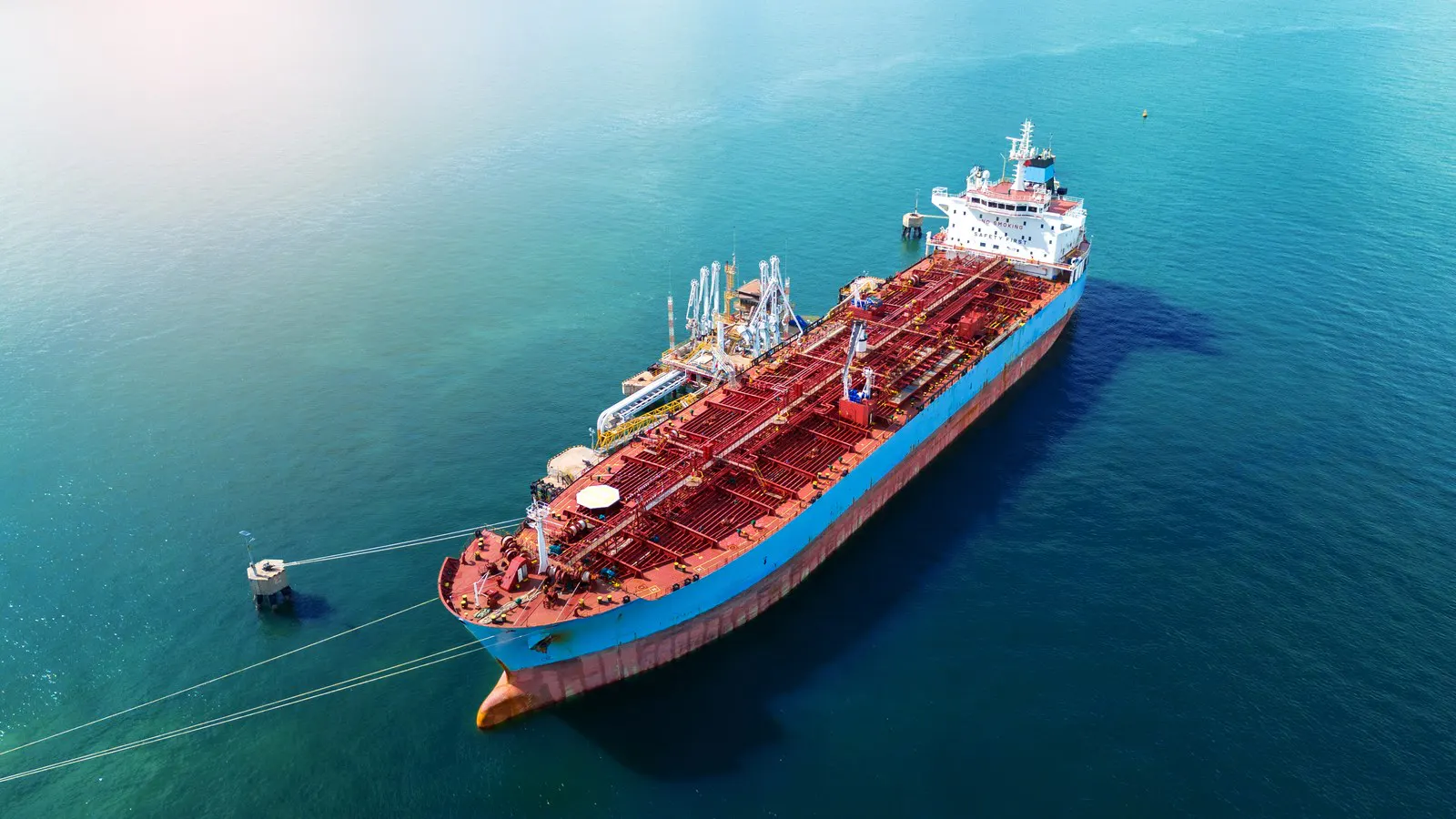
Petrobras has extracted an additional 134,000 barrels per day of production from its existing floating production units, equivalent to roughly five percent of the company's oil output, without building new facilities. The gains come from running vessels above their nameplate design capacity, a practice the Brazilian producer has industrialised across its fleet as a cheaper and faster alternative to sanctioning further units.
Seven retrofitted floating production, storage and offloading vessels are now operating above their original capacity, with a further three coming online that are expected to add 124,000 barrels per day between them. The Almirante Tamandare unit at the Buzios field has been among the most prominent examples, contributing to a record quarterly output of 3.34 million barrels of oil equivalent per day in the second quarter. The company is also studying whether the P-79 unit can be pushed in the same way.
The engineering behind the gains is less dramatic than the numbers suggest. Debottlenecking typically involves upgrading separation trains, gas compression and water handling rather than replacing the hull or the mooring system, and the work can often be carried out with the unit on station. Because the reservoirs feeding these platforms have generally performed better than expected, the constraint on production has been topside processing capacity rather than what the wells can deliver, which makes incremental topside investment unusually productive.
The approach is not confined to the Brazilian operator. Executive director Renata Baruzzi has pointed to the practice as central to meeting a 2026 target of 2.5 million barrels per day of oil production. Elsewhere, an SBM Offshore unit working offshore Guyana has been running around ten percent above its design rate at roughly 250,000 barrels per day, on a similar logic. SBM leases several of the units involved, and the pattern is beginning to shape how lease contracts and capacity guarantees are written.
The wider implication is for newbuild demand. Every barrel obtained by uprating an existing hull is a barrel that does not require a new floating production unit, and the queue for such vessels at Asian yards is already long and expensive. Operators that can extend the working range of what they already have gain both time and capital flexibility, and the results now emerging suggest the technique has considerably more room than was assumed a few years ago.