Petrobras Opens Negotiations on Four Offshore Blocks in Ghana's Keta Basin
Ghana's energy ministry has cleared the company to negotiate exploration contracts in the Keta Basin.
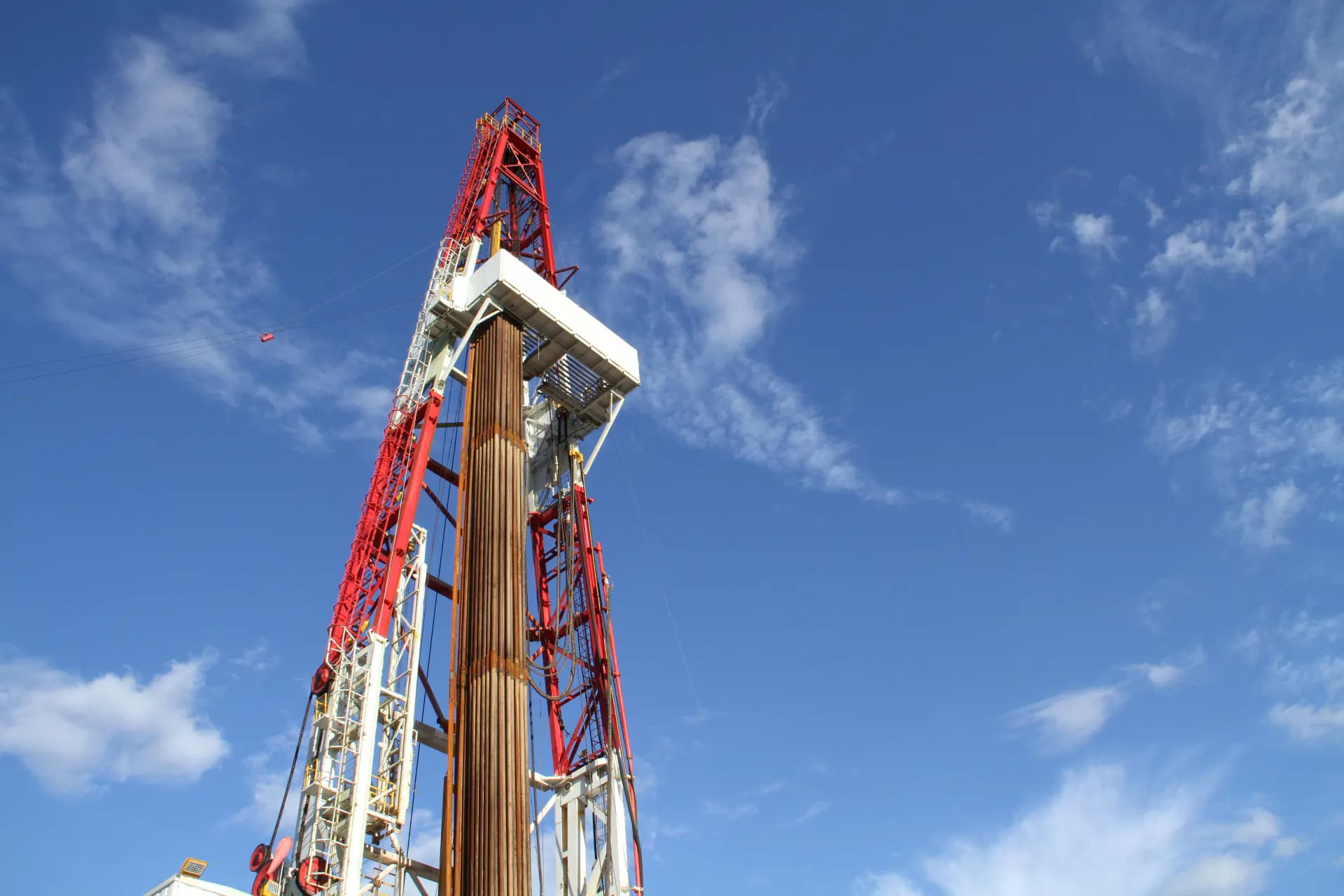
Petrobras has begun negotiations over four offshore exploration blocks in Ghana, after the West African country's Ministry of Energy and Green Transition approved its application to open contract talks.
The Brazilian state-controlled company submitted an expression of interest for acreage in the Keta Basin, which sits off Ghana's eastern coast toward the border with Togo. Sylvia Anjos, who heads exploration and production at the company, has described the Ghanaian blocks as geologically similar to Brazil's Equatorial Margin, the frontier region off the country's northern coast that Petrobras regards as its most promising domestic prospect.
That comparison is the substance of the move rather than a rhetorical flourish. The Equatorial Margin and the West African margin were joined before the Atlantic opened, and the analogue reasoning that has driven exploration success in Guyana and Suriname rests on the same geological logic. A company that has built expertise reading one side of that ancient join has a defensible reason to bid on the other.
Africa is intended to become the company's main exploration region outside Brazil, a position set out by Chief Executive Magda Chambriard. Beyond Ghana, the company has been examining opportunities in Sao Tome and Principe, Namibia, Ivory Coast and South Africa, a spread that covers both the mature and the entirely untested parts of the continental margin.
In a securities filing, the company framed the move as part of a strategy of replenishing oil and gas reserves through exploration in new frontier areas both in Brazil and abroad, and said it is evaluating opportunities to diversify its exploration portfolio and support long-term growth.
The practical significance for shipping is downstream of the drill bit. Frontier exploration campaigns pull in seismic vessels, drillships and a supporting fleet of offshore support tonnage, and West Africa has spent several years competing with Guyana and Brazil for those same units. A successful Ghanaian campaign would add demand at the margin in a market where deepwater rig availability is already tight.
Nothing has been signed. An approved application to negotiate is the step before a contract, and frontier acreage frequently stops there. But the direction is consistent: a company with a defined reserve replacement problem is moving into the geology it understands best, on the other side of the ocean.