Panama says fewer ships detained in Chinese ports after agreement
Detentions of Panamanian-flagged vessels fell from 140 in May to just 16 in July after the two governments reached a consensus on renewing their maritime agreement
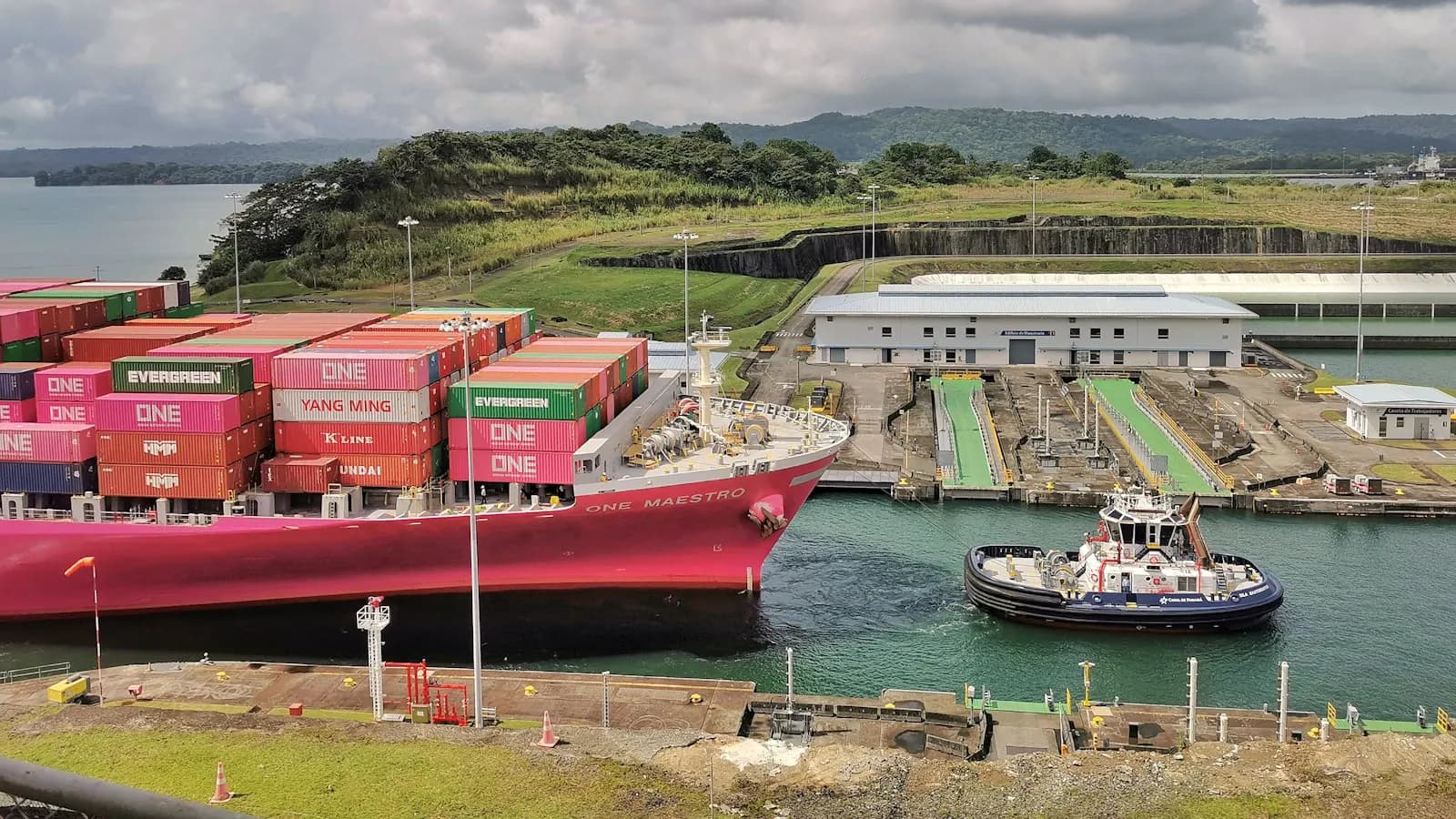
Panama's government has announced a sharp reduction in the number of Panamanian-flagged ships detained for inspection in Chinese ports, following a maritime agreement between the two countries that grants Panama's fleet more favourable treatment at Chinese terminals. According to figures shared by the government, detentions for inspection fell from 140 vessels in May to just 16 so far in July, a decline officials described as a direct result of recent bilateral talks.
Panama had complained that its vessels faced tighter controls in Chinese ports following the cancellation of a Hong Kong company's concession to operate two ports along the Panama Canal, a decision made after a court ruling in Panama that nullified the contract. China subsequently intensified controls on Panamanian-flagged vessels, a pattern that Panama's government said had eased only after officials from both countries held talks and reached a consensus on moving forward with renewal procedures for their maritime agreement.
The negotiations, which took place in Beijing earlier this month, resulted in an announcement from Panama's foreign ministry that the two sides had agreed to proceed with renewing the underlying agreement, a development officials credited with the subsequent drop in vessel detentions. The reduction in inspections is likely to ease operational costs and delays for Panamanian-flagged shipping calling at Chinese ports, where extended inspection processes can disrupt scheduling and add expense for operators.
The dispute over the Panama Canal ports concession had drawn wider international attention after the United States sought to assert influence over the waterway, arguing that Chinese-linked control of canal-area infrastructure posed a strategic concern, even though the canal itself is overseen by an autonomous Panamanian institution rather than by China or the United States. The detention dispute with China unfolded against that broader backdrop of geopolitical pressure over control of the canal's surrounding infrastructure.
With detentions now sharply reduced and both governments committed to renewing their maritime agreement, the episode illustrates how geopolitical disputes over port concessions and canal governance can spill over into day-to-day treatment of a country's merchant fleet, and how targeted bilateral diplomacy can help resolve the resulting friction relatively quickly once both sides reach consensus.