Panama Canal Slot Auction Prices Climb As Queue Lengthens
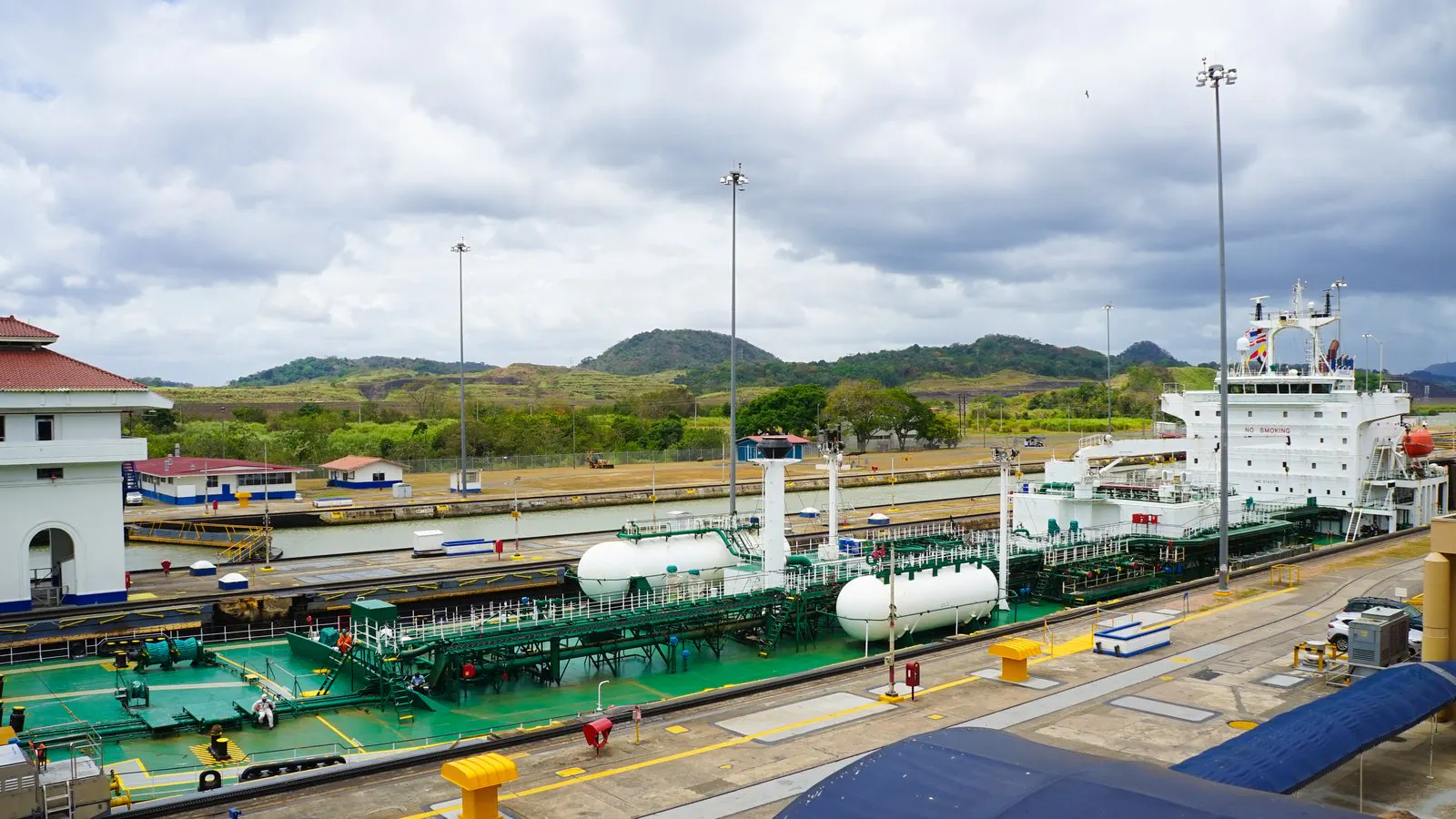
Prices paid at auction for transit slots through the Panama Canal have risen steeply as waiting times build and water levels in the lake that feeds the locks continue to fall. The highest recorded bid reached just under four million dollars for a single passage, with average prices for the largest lock chamber running around two and a half million dollars, and recent highs of about 3.78 million dollars for a neopanamax slot and 2.63 million for a panamax one.
The canal sells a portion of its daily transit slots by auction rather than by booking, which turns the scarcity of capacity directly into a price. When the waterway is running comfortably, those auctions clear at modest sums, because a ship that misses one can wait a day. When the queue lengthens and the wait becomes measured in days rather than hours, the auction price starts to reflect the full cost of delay: charter hire, bunkers burned at anchor, missed berth windows at the destination and contractual penalties for late delivery.
The queue explains the price. Around the middle of August the waiting line stood at seventy-eight booked vessels, nineteen of them in the largest category, alongside a further thirty-two without bookings. Northbound waits ran to just under eight days and southbound to nearly ten, against a canal running roughly thirty-five transits a day. At those durations, a bid of two or three million dollars stops looking irrational for a large container ship on a tight schedule and starts looking like straightforward arithmetic.
The year-on-year increase has been reported as roughly sixteen-fold, a figure that should be handled with care. It is calculated against a low base from a period when the canal was operating normally and auction prices were correspondingly modest, so the multiple exaggerates how unusual current conditions are. The absolute numbers are the meaningful ones, and they are high but not without precedent.
The underlying constraint is water. The lake level stood at about 84.3 feet and is projected to fall to roughly 82.8 feet by the middle of October, which is what has driven the authority to reduce the draft available to ships using the larger locks. That level is still comfortably above the low of just over 79 feet reached during the severe drought of 2023, so the present situation is a tightening rather than a repeat of that crisis. What has changed is that operators no longer treat such tightening as exceptional, and the auction market prices it accordingly.