DP World moves 1 million teu overland to keep Jebel Ali supplied during Hormuz closure
A fleet of 3,000 trucks and rail links from the UAE's east coast replace shipping into the Gulf
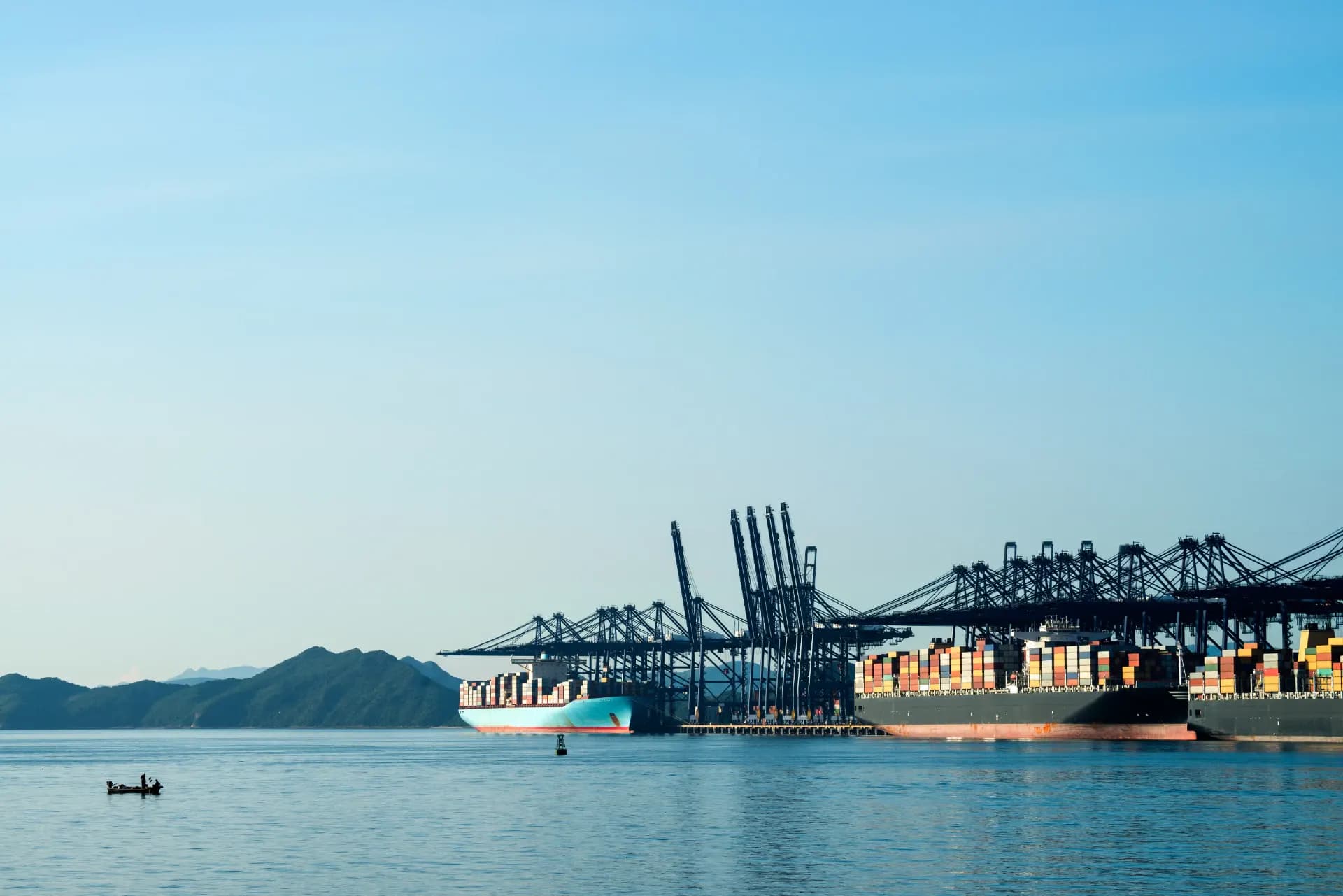
DP World has moved more than 1 million teu through land corridors since the first week of March, linking ports on the UAE's east coast, outside the Strait of Hormuz, with its flagship Jebel Ali terminal inside the Gulf.
Ahmad Yousef Al-Hassan, chief executive of DP World GCC, told a media roundtable in Dubai that the company had set up a bonded corridor and built a truck fleet from nothing. "We had to activate this starting from a truck fleet of zero to today, 3,000 trucks that we manage and operate," he said. In August the group had reported 500,000 teu moved by road and rail across the GCC since March.
DP World has also worked with Omani authorities and port operators on alternative routes through Sohar and Duqm, giving customers further ways into the UAE and the wider Gulf.
What has the detour cost?
Al-Hassan said container freight rates from China to Dubai had risen from about $2,000 before the disruption to between $10,000 and $12,000, while longer trucking distances, congestion and higher diesel prices added further costs. DP World has absorbed part of the transport bill and worked with shipping lines on ways to reduce it, including moving empty containers out of the alternative ports.
Jebel Ali, which has annual capacity of more than 20m teu, has remained open throughout the conflict, closing for only six hours, but its volumes fell 90.1% in the second quarter. The terminal has spent nine months keeping equipment and crews ready for the return of liner services, and the Jebel Ali Free Zone, home to more than 12,000 companies, has kept occupancy above 90%.
How fast could Jebel Ali recover?
DP World expects traffic to come back strongly once safe passage through Hormuz resumes. "It could take one month to three months. This is from the feedback that we get from the lines, depending on how fast they can reposition their services and networks back there," Al-Hassan said, after meetings with nine shipping lines in Asia the previous week.
He described the shift to other regional ports as a short-term diversion, while acknowledging that the closure had exposed the need for alternative gateways. "Even if the Strait opens up tomorrow, our contingency planning has to be all ready," he said, adding that the crisis had shown the need to accelerate cross-border rail connections in the Gulf.
This story is part of the Maritime Briefing of 12 November 2026.