Panama Canal Cuts Neopanamax Draft To 47.5 Feet As Gatun Lake Falls
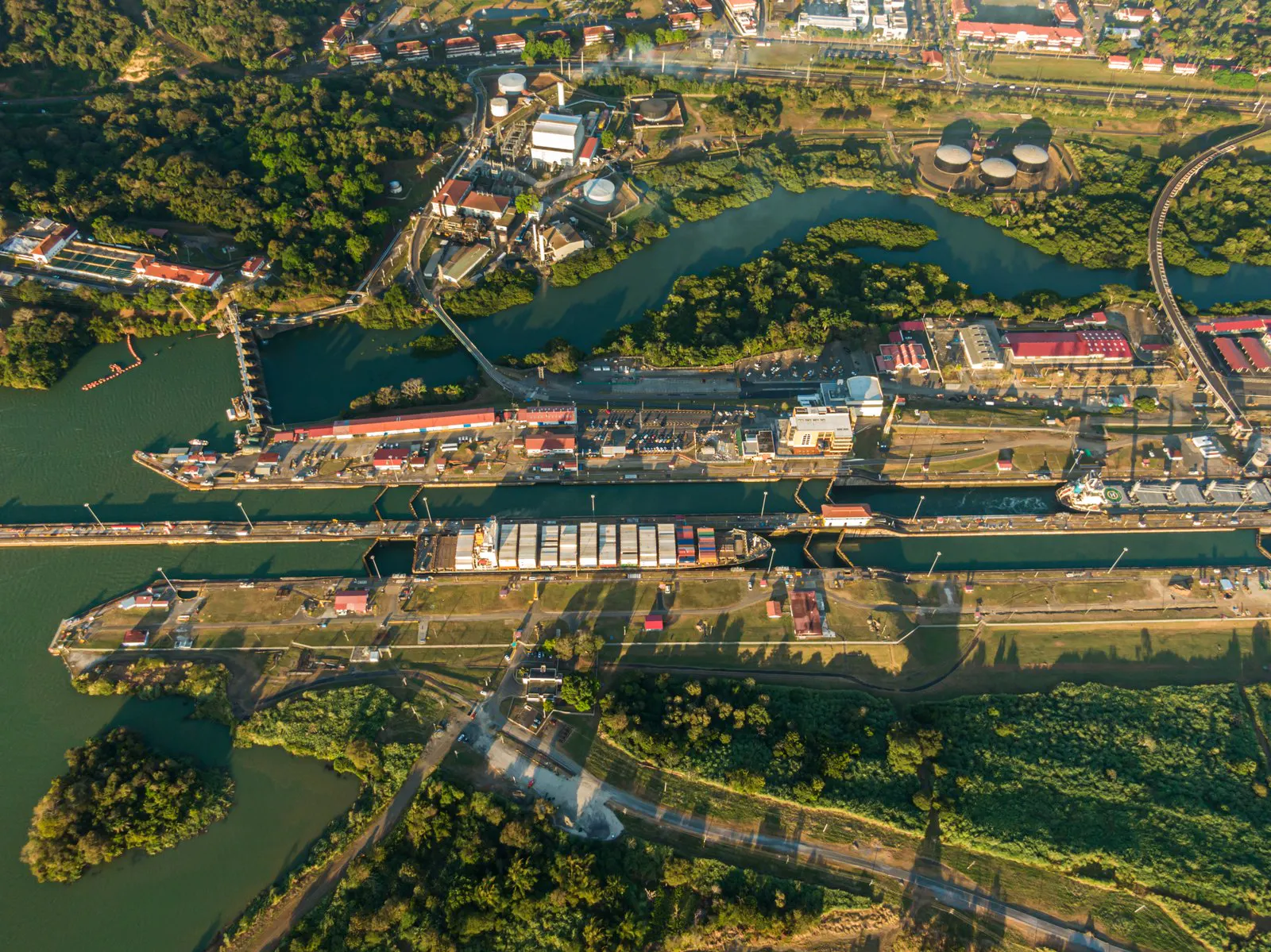
The Panama Canal Authority is reducing the maximum draft available to vessels using the Neopanamax locks in two stages, as falling water levels in Gatun Lake force a further round of conservation measures. From 26 August the limit drops to 48 feet, or 14.63 metres, and from 3 September it falls again to 47.5 feet, equivalent to 14.48 metres. Operators have been formally notified.
The authority has framed the restriction as part of a continuing resource management strategy intended to conserve water and protect the waterway's long-term viability, and has said that daily transit capacity will not be affected. That distinction matters commercially. A canal that reduces the number of slots forces ships to wait or to reroute entirely; a canal that reduces draft lets the same number of ships through but obliges each to carry less. The cost lands on cargo owners rather than on schedules.
These are the fourth and fifth amendments of their kind since December, when conservation protocols were introduced ahead of this year's dry season. No end date has been given for the 47.5-foot limit. The authority says its current approach rests on hydrological modelling and on the experience of the severe droughts of 2023 and 2024, and that specialists are monitoring weather patterns for longer-term effects associated with El Niño.
The underlying problem is that the canal runs on rainfall rather than on seawater. Every transit consumes fresh water from Gatun Lake, which also supplies drinking water to a substantial share of Panama's population, and the lake refills only from precipitation. When the rains fall short, the authority faces a direct trade-off between transits, draft and municipal supply, and there is no engineering solution available on the timescale of a single dry season.
For operators the practical effect is felt most acutely in dry bulk and in tankers, where a foot of draft translates directly into tonnes left on the berth. A Neopanamax bulker loading grain on the American Gulf for Asia will either sail part-loaded or accept a lightering arrangement, and either option erodes the freight economics that make the canal route preferable to the alternatives in the first place. Container ships are less exposed because they generally reach their volume limit before their weight limit, though heavily laden strings will feel it. What the repeated adjustments establish is that draft restriction has become a recurring feature of Panama transits rather than an exceptional response, and long-term contracts are beginning to be written on that assumption.