Panama Canal Sets Out 2025-2035 Plan as Drought Cuts Draught to 48 Feet
Corozal and Telfers container terminals and a 76km LPG pipeline corridor anchor the strategy
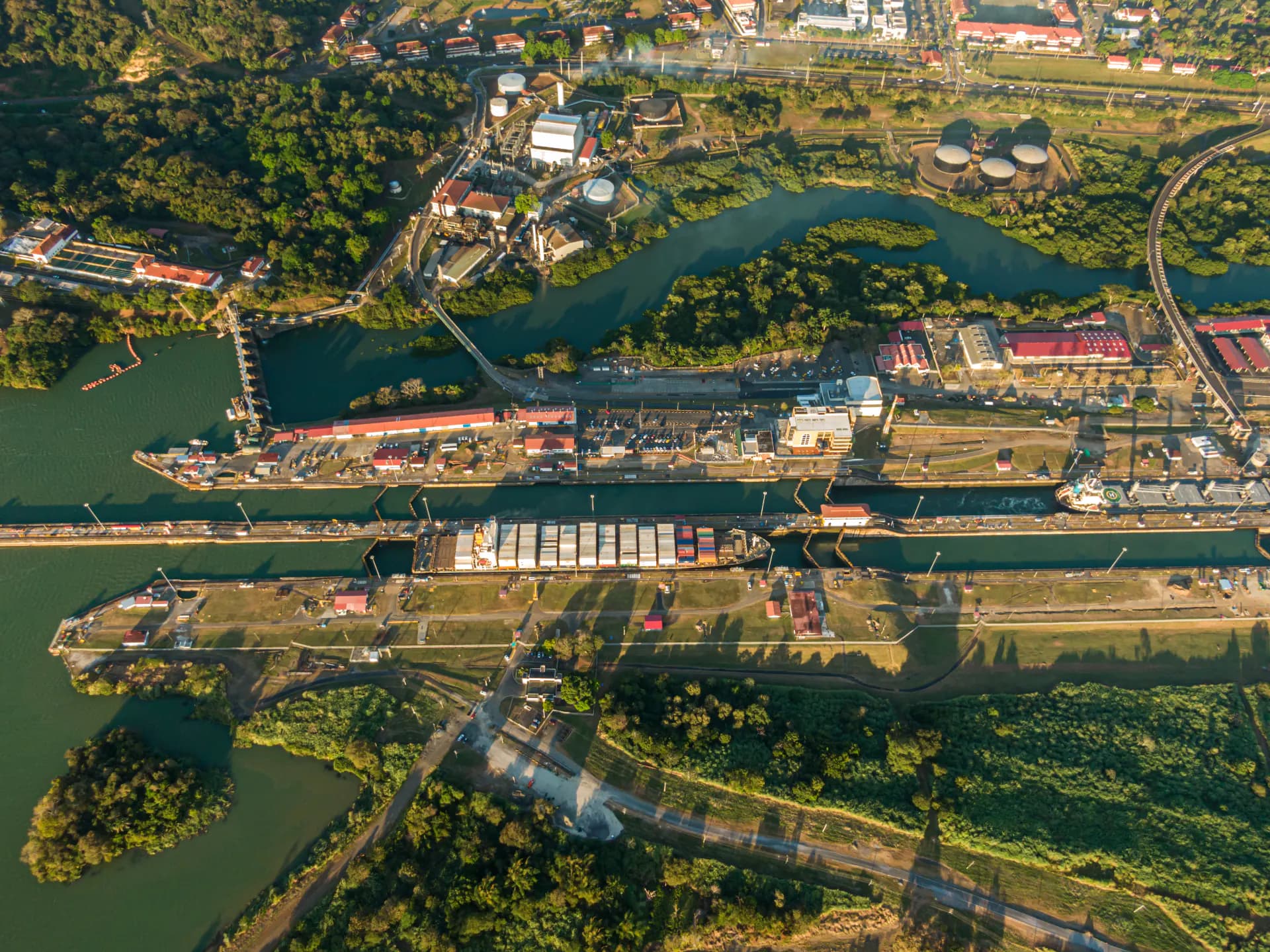
The Panama Canal is marking 112 years of operation with a development programme aimed at turning the waterway into an integrated logistics and energy hub, even as drought forces further restrictions on the ships it can accept.
Around 3% of global maritime trade transits the canal annually. Since opening on 15 August 1914 and expanding with the Neopanamax locks in 2016, the waterway has connected 180 trade routes and 1,920 ports across 170 countries.
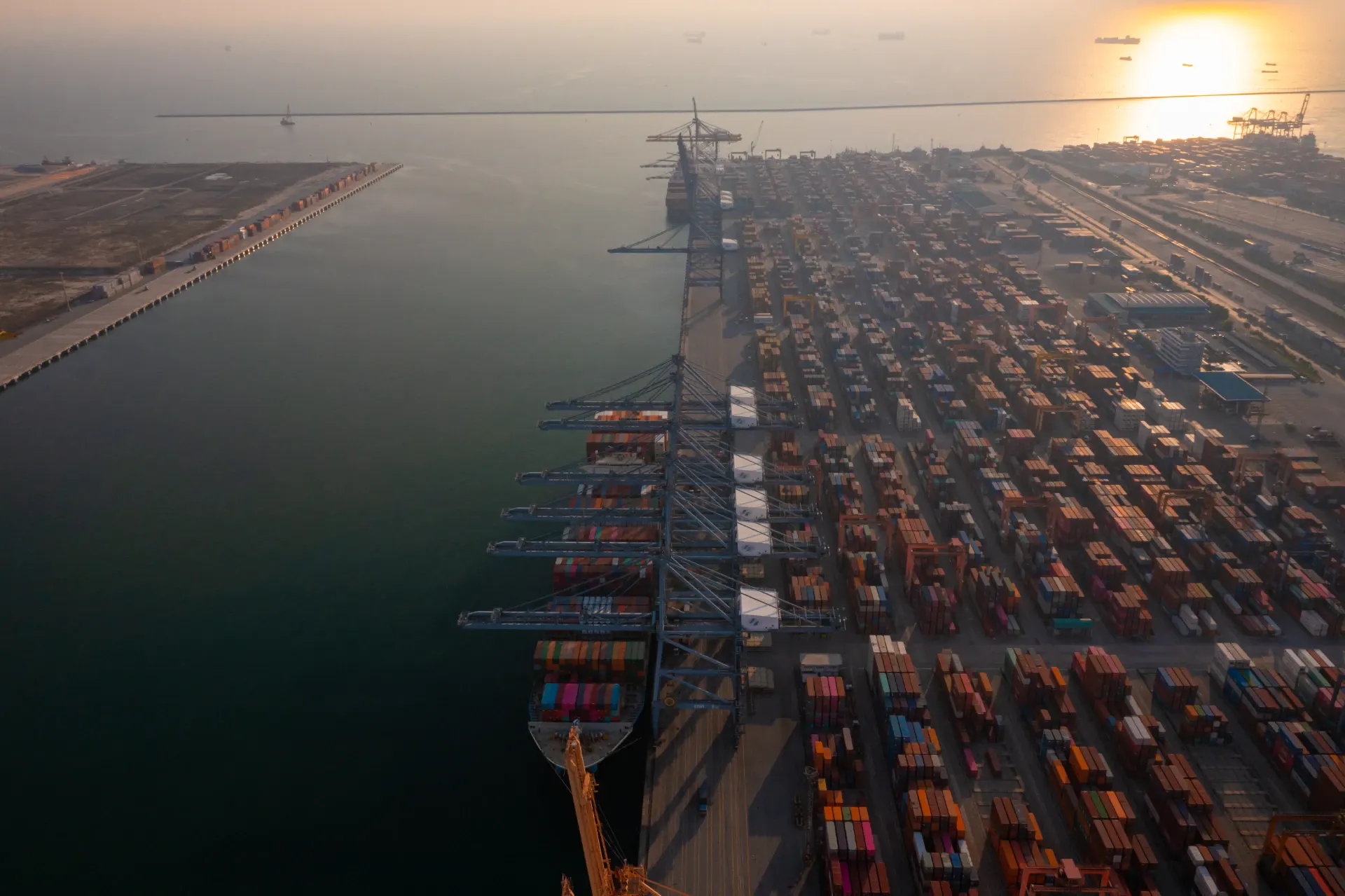
The Panama Canal Authority's 2025-2035 Vision Plan is built on three projects. The Corozal Container Transshipment Terminal on the Pacific side and the Telfers Terminal on the Atlantic are both intended to add container capacity and connectivity at the ends of the transit. Alongside them sits a proposed 76km energy corridor that would link the Pacific and Atlantic coasts with a pipeline carrying propane, butane and ethane, giving gas cargoes a route across the isthmus that does not consume a lock transit or a drop of Gatun Lake water.
Operational figures show demand has held up. Between October 2025 and July 2026, deep-draft vessel transits rose 6.12% to 10,623, against 10,010 in the same period the previous year. That total comprises 2,990 Neopanamax and 7,633 Panamax vessels.
Water remains the binding constraint. El Nino conditions have pushed the authority into precision water resource management, with water-saving protocols and adjusted draught allowances for Neopanamax vessels. As of late August 2026 the maximum draught had been reduced to 48 feet, with further adjustments anticipated in response to Gatun Lake levels.
The two halves of the strategy pull in opposite directions on the same resource. Additional container capacity at either end of the canal is worth little if the transit between them is rationed, while the energy corridor is the one element of the plan that would move cargo across Panama without drawing on the lake at all. That distinction is likely to determine which parts of the vision plan reach construction first.