Panama Pays $191.7m for Full Ownership of Its Cross-Country Oil Corridor
The 131 km transisthmus pipeline moves around 10m barrels a month without using the canal
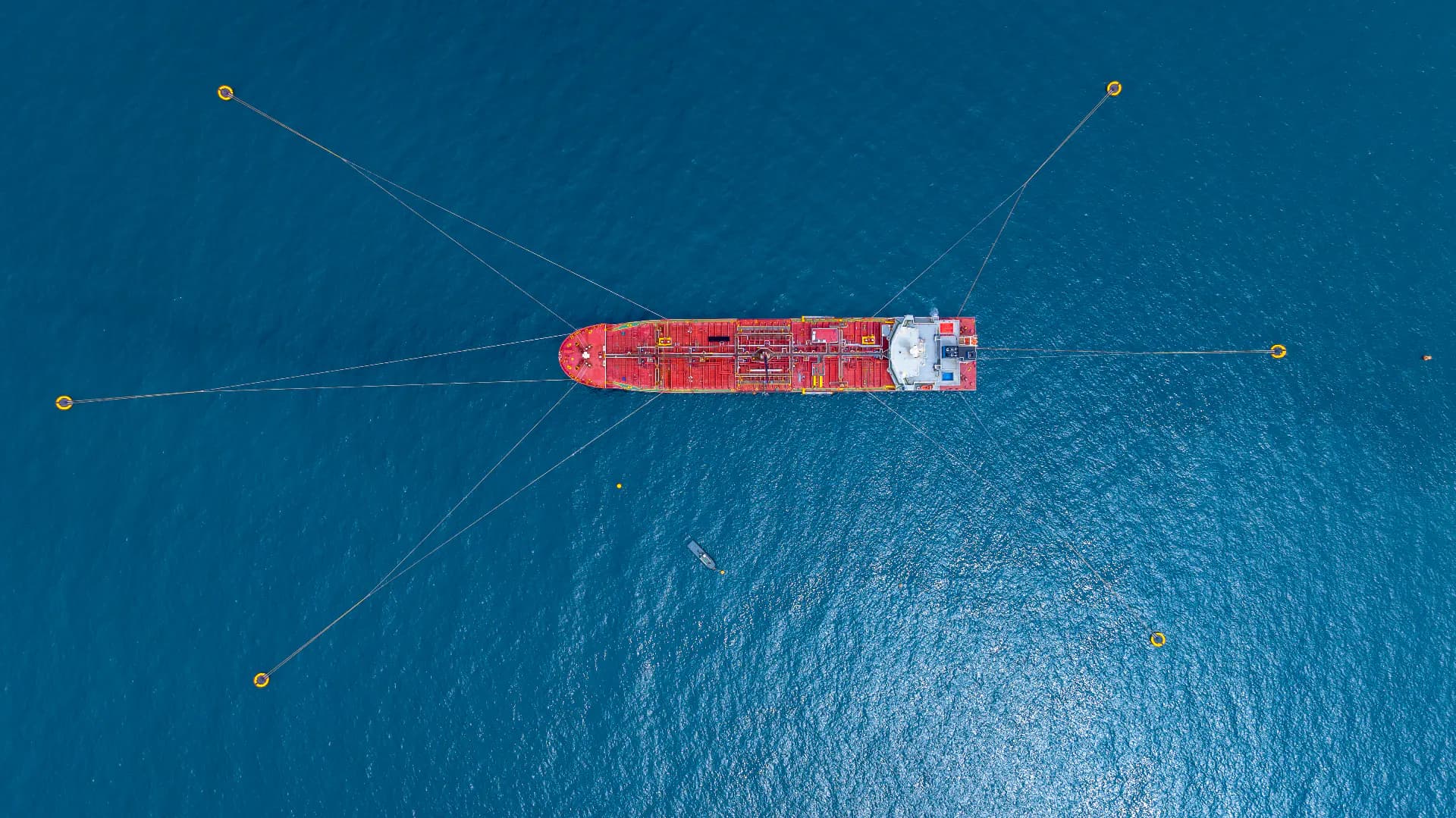
Panama has completed the acquisition of Petroterminal de Panama, giving the state full ownership of an oil transport system that functions as a specialised second canal for hydrocarbons.
The government paid $191.7m for the remaining 41% stake in the company, taking ownership to 100%.
Petroterminal operates terminals at Chiriqui Grande on the Caribbean coast and Charco Azul on the Pacific, linked by a 131-kilometre transisthmus pipeline. Together the assets allow crude and petroleum products to cross Panama without using the Panama Canal itself. The system can move around 10m barrels a month, and the deepwater Charco Azul terminal is capable of handling VLCCs, which gives Panama a substantial role in interoceanic oil logistics independent of lock availability.
That independence is the strategic point. Canal transit capacity has been rationed by drought conditions in recent years, and a pipeline crossing is unaffected by lake levels or booking slots. For a shipper moving crude between basins, the transisthmus route converts a canal transit into two separate voyages with a pipeline in the middle, at the cost of a ship-to-shore and shore-to-ship transfer at either end.
The government said existing operations and contracts will continue unchanged, while full ownership gives the state greater control over future energy, logistics and maritime development around the asset.
The purchase comes as Panama takes a more assertive line on strategic maritime infrastructure. Earlier this year the country took control of the Balboa and Cristobal container terminals after the annulment of CK Hutchison's concessions, subsequently placing their temporary operation with subsidiaries of Maersk and MSC.
The Petroterminal transaction is the less confrontational of the two. It was completed through a purchase right contained in the company's original 1977 agreement, and financed against Petroterminal's own revenues and future cashflows rather than from the national budget. Panama has separately been loosening canal booking rules to stretch shrinking transit capacity.