Oil tops $100 as Red Sea attacks compound Hormuz supply crisis
Brent crude extends a monthly rally past 35% after Houthi strikes on Saudi tankers open a new front alongside the Strait of Hormuz disruption
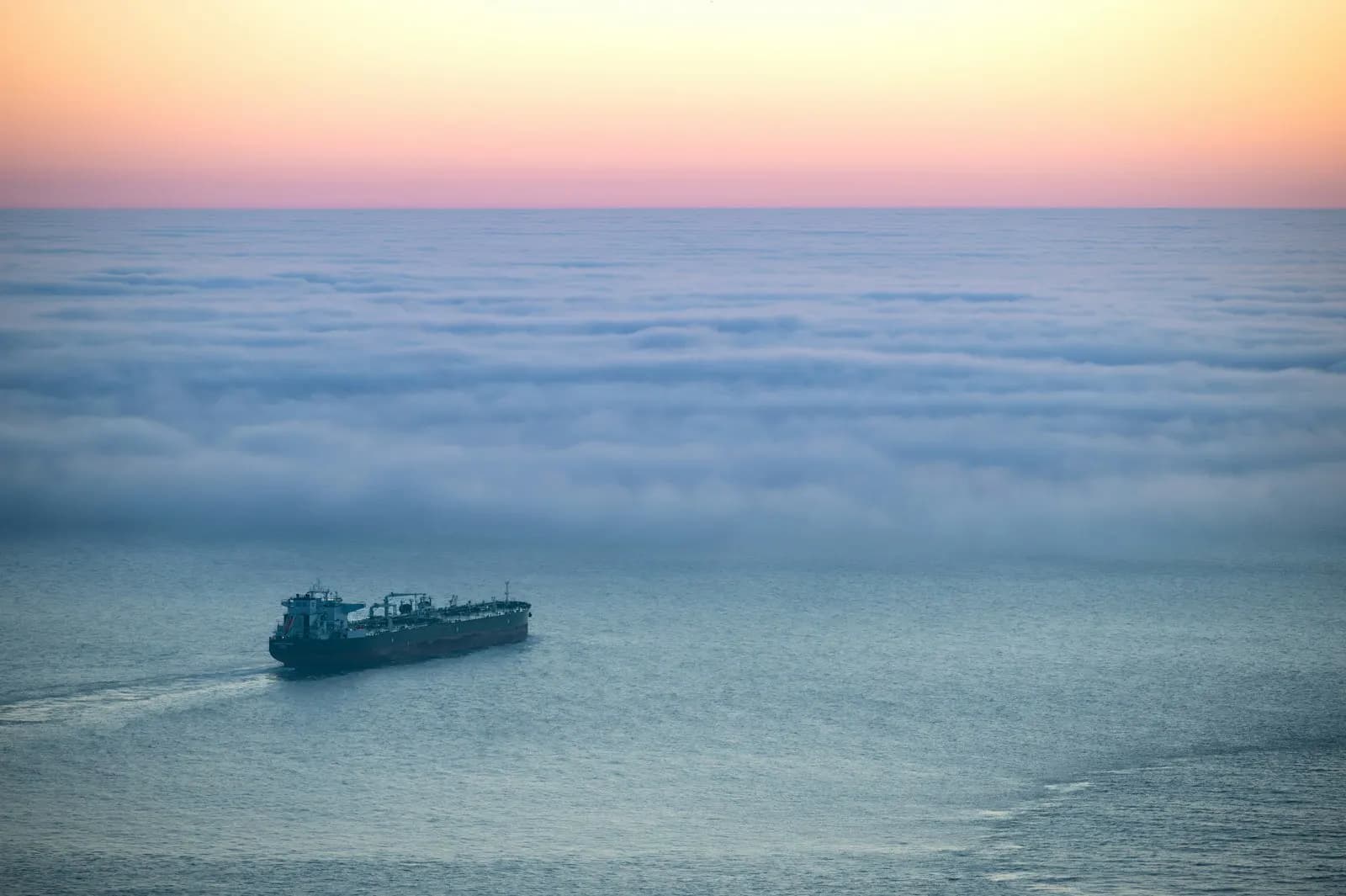
Oil climbed back above $100 a barrel for the first time in two months after Houthi militants said they had struck two Saudi Arabian tankers in the Red Sea, opening a second front in a conflict that had already all but paralysed shipping through the Strait of Hormuz. The Red Sea had served as an alternative export route for some Saudi crude during the Hormuz disruption, so renewed attacks there raise the prospect of a much broader supply squeeze at a moment when global inventories are already thin.
Brent crude gained roughly eight percent on the news, extending its rally over the past month to more than thirty five percent. Physical markets moved just as sharply: dated Brent, the benchmark used for physical cargoes, pushed above $105 a barrel for the first time since late May, while diesel futures reached their highest level since early April. Prompt timespreads for Brent widened to more than six dollars a barrel in backwardation, a sign that traders are paying a steep premium to secure crude for immediate delivery rather than for shipment months out.
The market is also weighing continued attacks on a Black Sea export terminal that handles the bulk of Kazakhstan's crude, adding a third pressure point to an already stretched picture. Analysts warned that further escalation could push Brent well past $120 a barrel if disruptions to Gulf and Black Sea flows persist simultaneously, particularly with the United States said to be weighing additional military action against Iran.
Supply cushions are shrinking on several fronts at once. Strategic reserve inventories in the United States have declined notably since the conflict began, and stocks at a key US delivery hub are described as close to operational minimum levels. Some tankers have already begun avoiding the Bab el-Mandeb strait at the southern end of the Red Sea in favour of longer, costlier voyages, even though other vessels continue to transit the route despite the heightened risk.
With Hormuz still largely shut and the Red Sea corridor no longer a reliable fallback, attention is turning to how Saudi Arabia responds. Rerouting cargoes via the Suez Canal remains possible but requires smaller vessels and considerably longer voyages, a less efficient solution that would keep upward pressure on freight and insurance costs even if outright attacks ease in the days ahead.