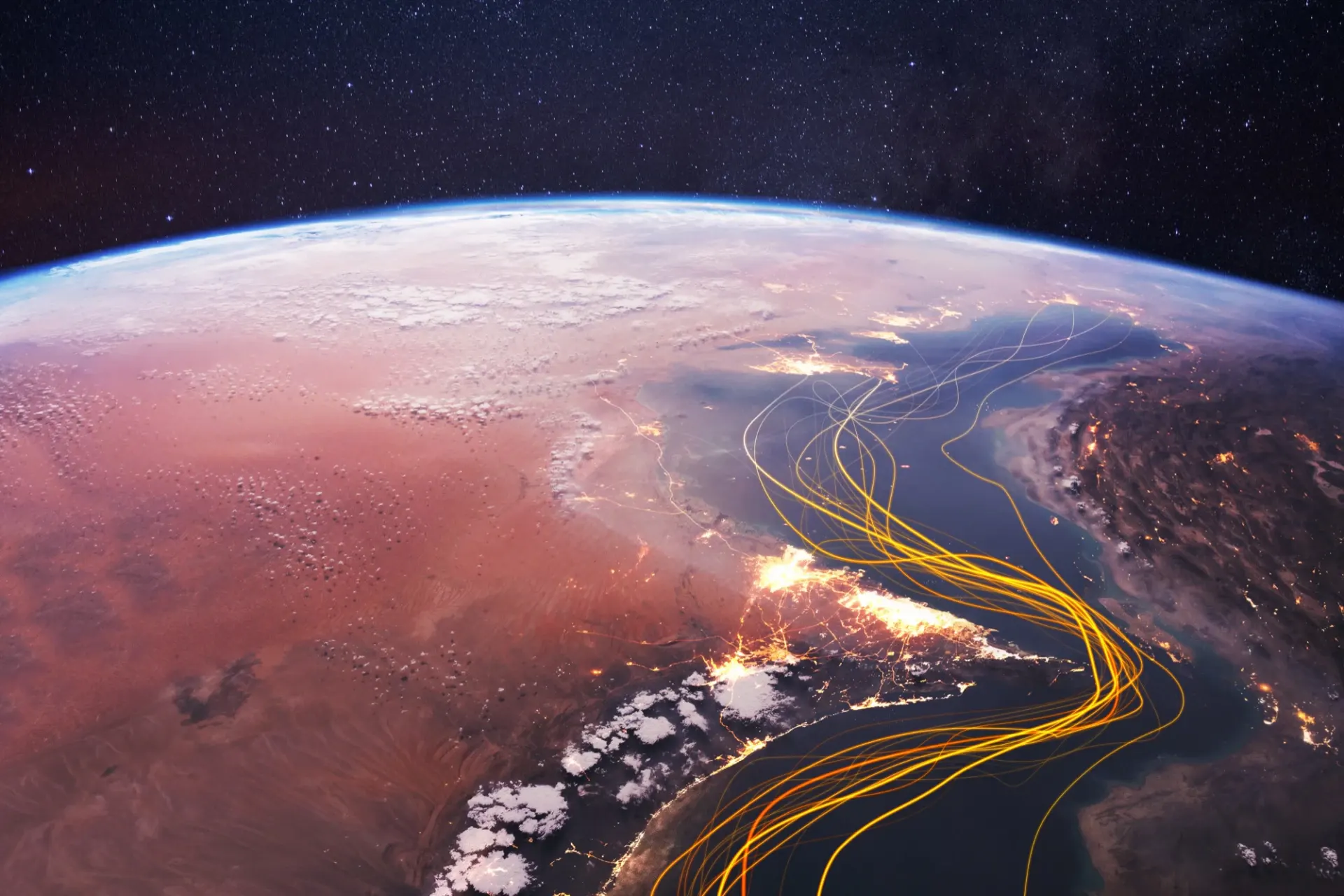
Oil From Grounded Tanker Begins Washing Ashore In Oman
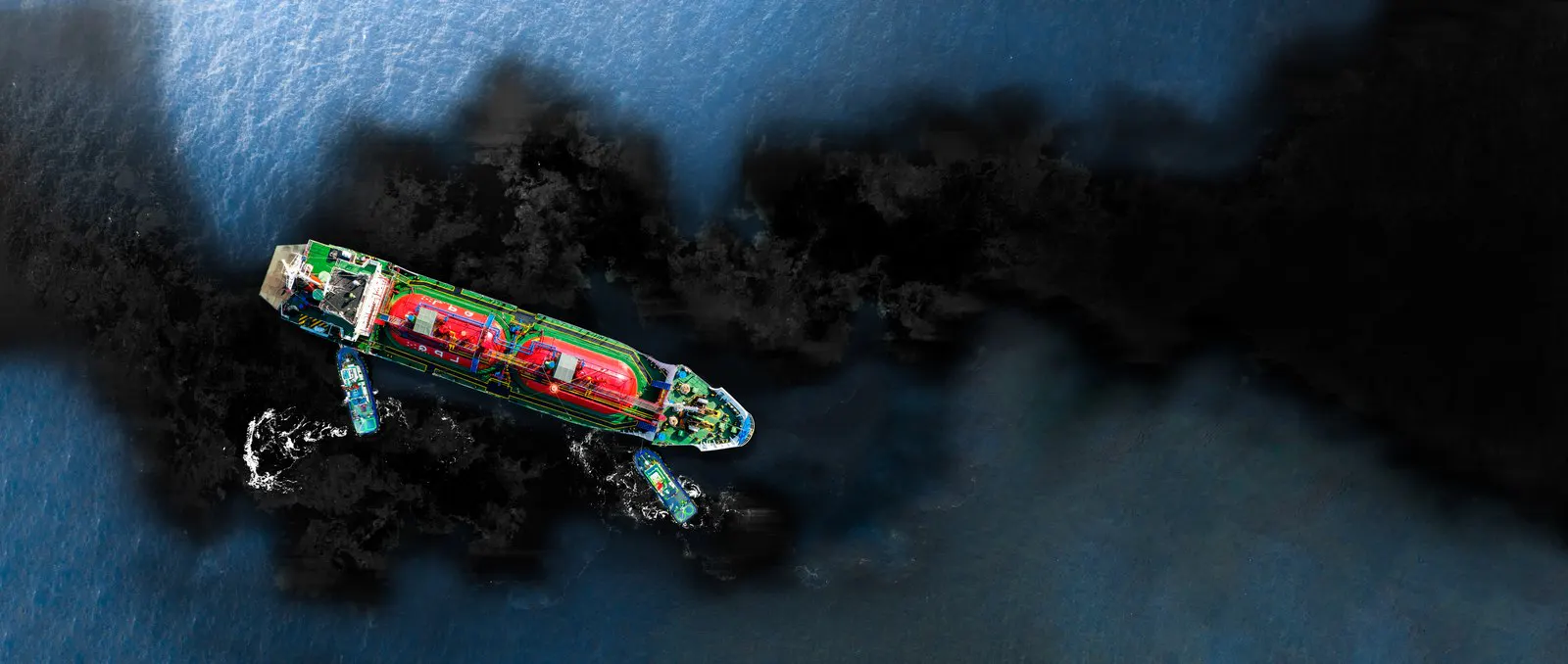
Oil from a grounded tanker off the coast of Oman has begun reaching the shoreline, weeks after the vessel was damaged and abandoned, in a spill whose extent has been estimated very differently by the various parties tracking it. The ship is a Suezmax of about 159,000 deadweight tonnes built in 2001, carrying a cargo estimated at around 800,000 barrels, and she has been leaking since the casualty.
Estimates of the slick vary by an order of magnitude and none should be presented as settled. An international maritime body put the affected area at roughly 400 square kilometres in mid-August; news agencies have reported figures above 600 square kilometres; one regional outlet has cited more than 2,000 square kilometres. An environmental group tracking the spill by satellite recorded growth from about 45 square kilometres in late July to roughly 600 by early August. The spread of these numbers reflects genuine difficulty in measuring a thin and moving sheen rather than disagreement about whether the spill is serious.
The date of the casualty is similarly unresolved in public accounts, with reports placing it in early June, at the end of June, or roughly two weeks before the middle of August. The cause has not been established either. One environmental organisation has referred to a suspected limpet mine, but no responsibility has been claimed and no investigating authority has confirmed how the vessel was damaged, so the explosion should be treated as unexplained.
The vessel's registry position compounds the difficulty. She is frequently described as carrying a particular flag, but that registry has withdrawn her, and international records now list her flag as unknown. A ship without an effective flag state has no administration with clear responsibility for compelling salvage, verifying insurance or pursuing the owner. Combined with the age of the hull and the opacity common to tonnage trading outside mainstream oversight, this is precisely the arrangement that makes a casualty expensive to resolve and slow to clean up.
Oman's environmental authority has been documenting the shoreline impact as the oil arrives. The coastline in question supports fisheries and tourism, and heavy fuel weathering at sea before landfall tends to arrive as tarry residue that is laborious to remove from rock and sand. The wider point is that the costs of a shadow-fleet casualty do not fall on the operator who took the commercial risk. They fall on the coastal state that happened to be downwind, which has no practical means of recovering them.