Taiwan-flagged cable layer Oceanus 1 enters service at Kaohsiung
An 8,000-tonne carousel and DPS-2 give Taiwan its first home-based cable installation vessel
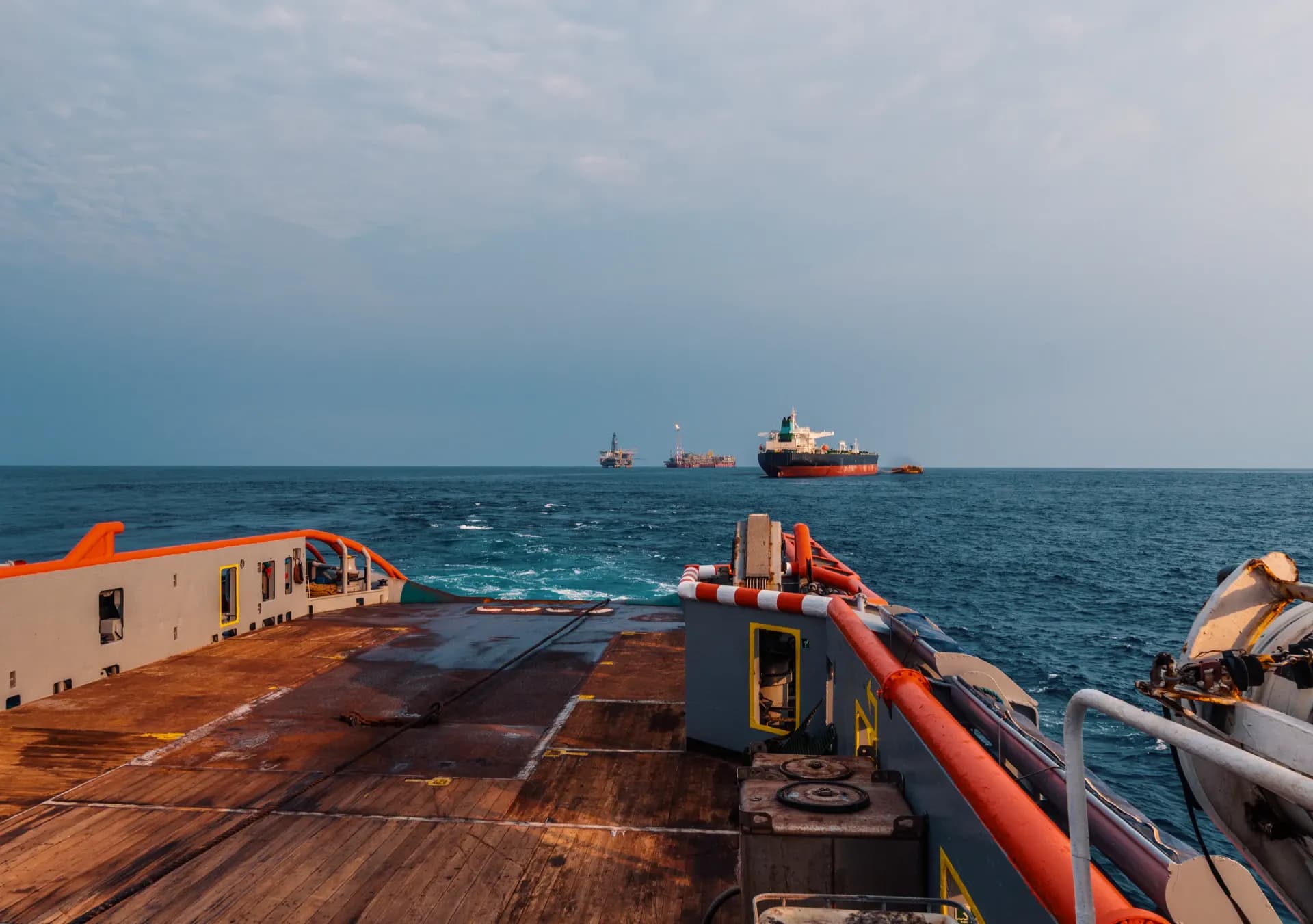
The cable-laying vessel OCEANUS 1, IMO 1048085, arrived at Kaohsiung on 16 September and has entered service, giving Taiwan a cable installation ship based in the country rather than chartered in for each campaign.
She was built by Pacific Shipbuilding Joint Stock Company in Vietnam and handed over at the yard shortly before the delivery voyage. Built in 2026 and measuring 104 metres by 34 metres, she flies the Taiwanese flag and is dual-classed by the American Bureau of Shipping and the CR Classification Society as an offshore support vessel for cable lay, with DPS-2 dynamic positioning.
The working equipment is the point of the ship. A 30-metre-diameter carousel is rated for 8,000 tonnes of cable, served by a 250-tonne hydraulic A-frame and a 40-tonne service crane. A jet plough allows cable to be laid and buried in one pass instead of two, and an SMD Quasar III work-class ROV handles touchdown monitoring and subsea survey. The modular work deck can be reconfigured for cable transport, trenching, cable protection, jointing or survey work, and there are berths for 77 people, marine crew and project personnel together.
Owner ATE Energy International, listed in Taipei since 2002 and founded in 1995, runs the vessel through its submarine cables department. Synergy Marine Group provides technical and crew management from its Taiwan and regional offices, and Mermaid Subsea Services (Thailand) is expected to support project management of cable lay operations once contracts are awarded.
"OCEANUS 1 gives Taiwan dedicated cable installation capability, based at home and designed around Taiwan Strait conditions," said Dave Gibson, director of the submarine cables department at ATE Energy International, in the handover announcement.
The phrase the owner keeps returning to is "based at home", and that is the commercial logic. A cable layer mobilised from outside the region arrives against a weather window rather than inside it, and the vessel spends the season it is not working somewhere else. A locally flagged, locally crewed unit shortens mobilisation and keeps the asset in the region between campaigns, which is where the utilisation risk on a cable layer sits.
This story is part of the Maritime Briefing of 23 September 2026.
Ships in this story