Evergreen sends Ever Eon through Suez as the canal posts its best month since the Red Sea crisis
October brought 1,490 transits and $724m in revenue, and Gemini has switched its India-Europe ME1 loop back to the canal
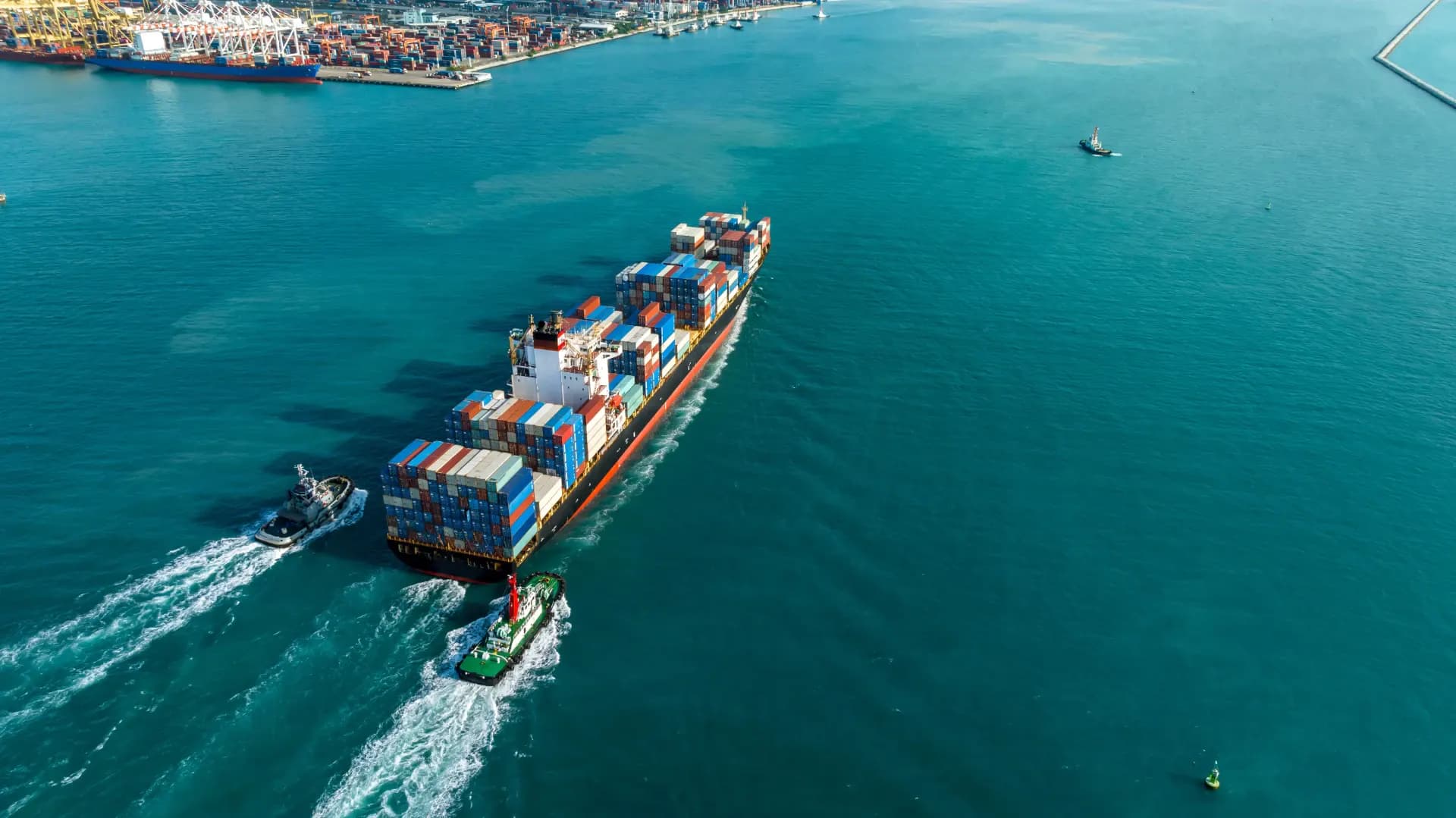
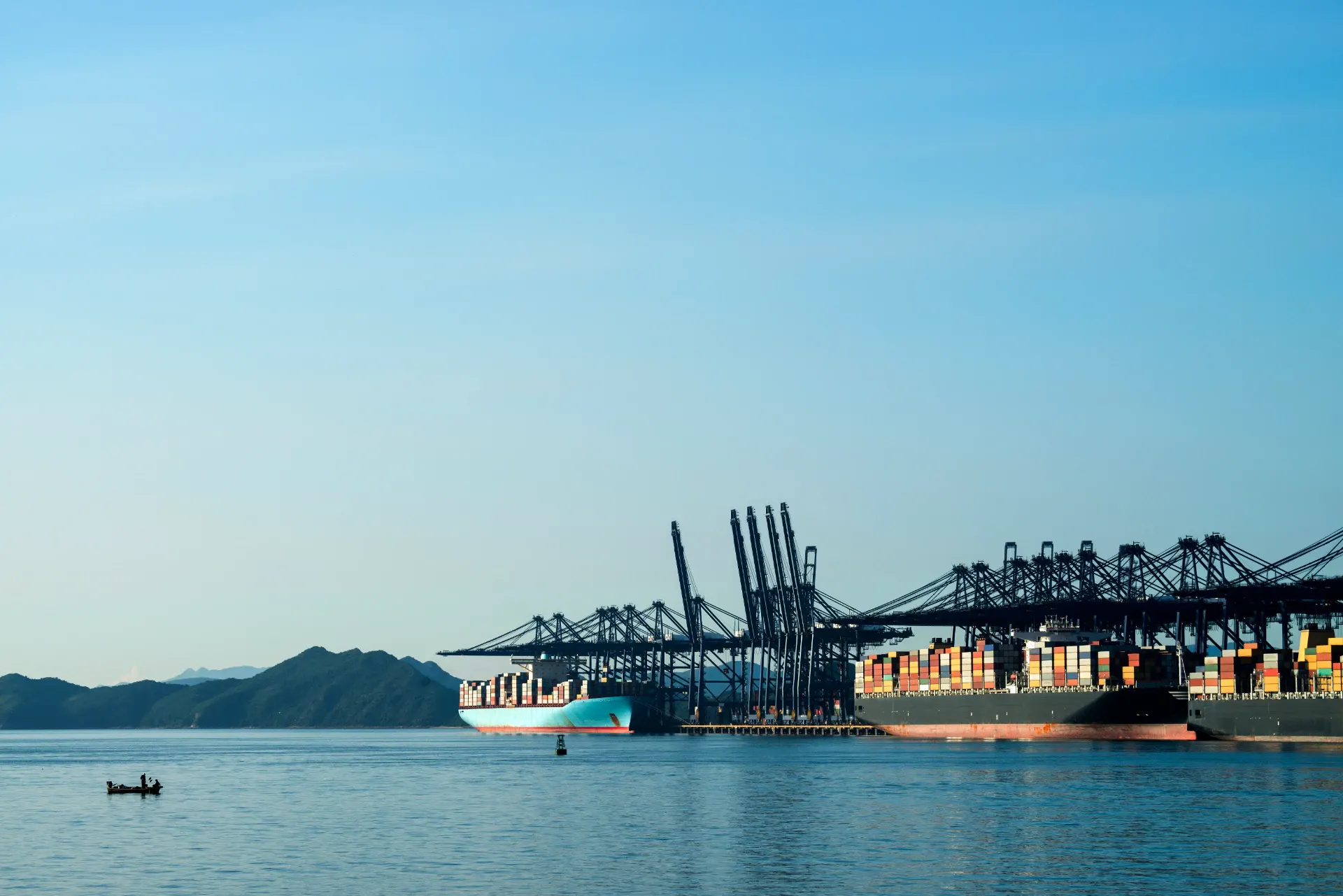
Evergreen is sending its first ships through the Suez Canal in almost three years. Linerlytica says the 16,556 teu Ever Eon and Ever Edit are routed through the canal on 7 and 11 November on the Ocean Alliance's NEU7/CES loop, and that the 20,124 teu Ever Gifted will follow on 16 November on the MD2 Mediterranean service. Evergreen was the last Ocean Alliance member still routing around the Cape of Good Hope; CMA CGM, Cosco and OOCL had already restored services through the waterway.
Which other carriers are back?
Maersk and Hapag-Lloyd have moved the Gemini Cooperation's ME1 service between India and Europe back to the canal. The rotation now runs Mundra, Nhava Sheva, Salalah, Suez Canal, Tangier, Rotterdam, Wilhelmshaven, Hamburg, London, Algeciras, Tangier, Suez Canal, Salalah and Mundra, with the first westbound sailing leaving Salalah on 4 November. ME1 follows Gemini's earlier switches on AE15, AE19, AE5, AE11, AE12 and ME2. Maersk describes the change as a phased, service-by-service adjustment rather than a full return of the Gemini network to Suez, and says further moves depend on stability in the Red Sea.
The Premier Alliance of Ocean Network Express, HMM and Yang Ming is preparing to restore more Mediterranean services through the canal. Linerlytica expects all three major alliances and MSC to have their Suez networks back by the first quarter of 2027, which would leave Zim as the most prominent carrier still avoiding the Red Sea. The Houthis have singled out Israeli-linked tonnage as potential targets.
What do the canal figures show?
Suez Canal Authority chairman Osama Rabie said 1,490 vessels transited in October, with combined net tonnage of 88 million tonnes and revenue of $724m. That compares with 1,128 vessels, 47 million tonnes and $373m in October 2025, increases of 32%, 86% and 94% respectively, and the highest monthly figures since the Red Sea crisis began. Rabie said he expects the trend to continue as most shipping lines resume transits.
The shorter route is already releasing capacity. Drewry estimates that 60% of Asia-Europe capacity now moves through Suez, and counted 53 transits in both directions last week. Its World Container Index fell 1% to $4,389 per 40-foot container on 5 November, with Shanghai-Rotterdam down 2% to $3,615 and Shanghai-Genoa unchanged at $4,166. Drewry says faster rotations add space with the ships already in service, which makes it uncertain whether carriers' planned mid-November rate increases will hold, and it has warned that a faster switch back to Suez could raise congestion risk at European ports. Earlier this year Xeneta estimated that a full return to Suez could release 6% to 8% of global containership capacity.
This story is part of the Maritime Briefing of 9 November 2026.