China, Russia and Kazakhstan Weigh an Ob-Irtysh River Route to the Russian Arctic
Kazakhstan wants 2.5m tons a year by 2028 on a river system where water levels fall to 105 centimetres
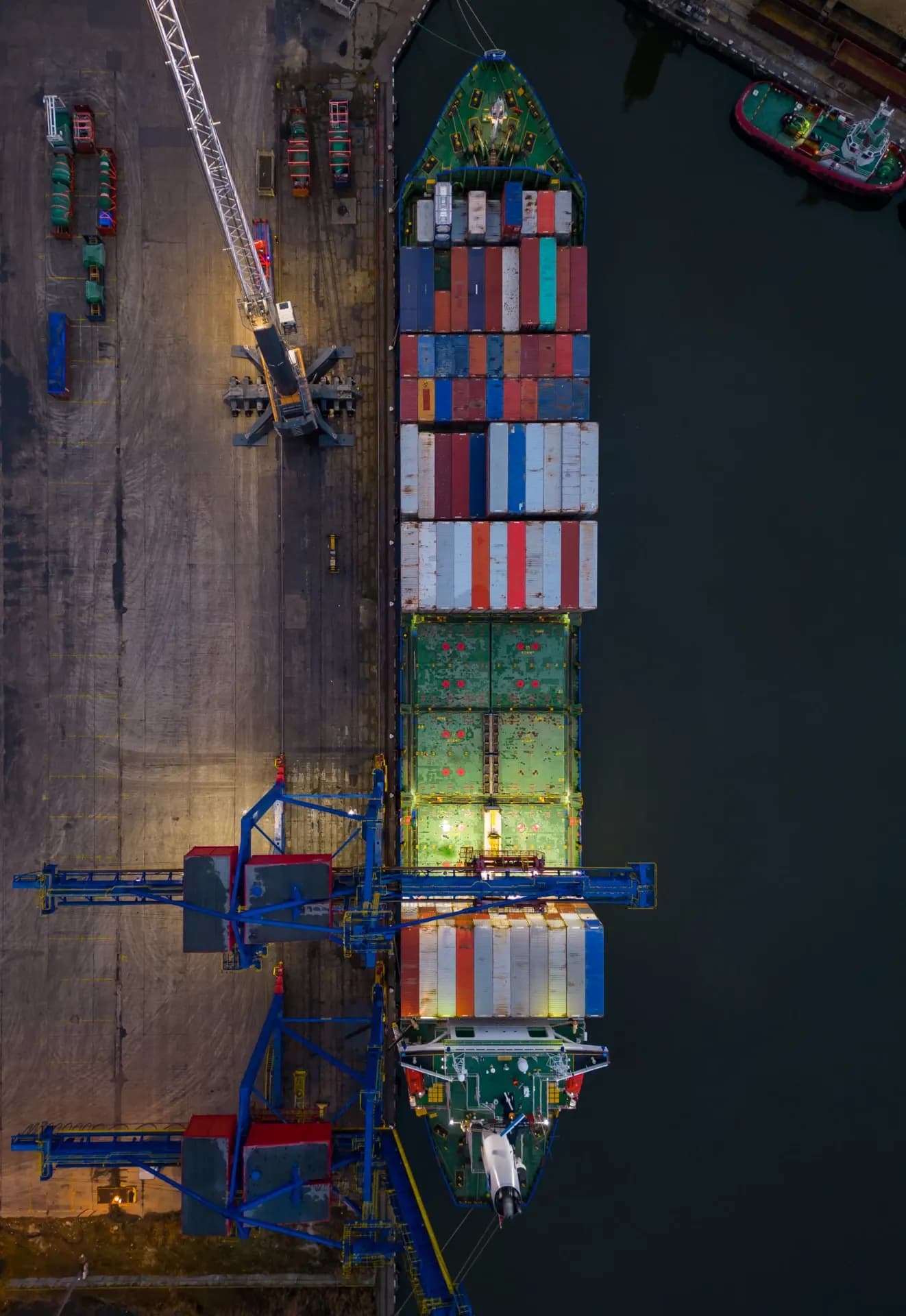
China, Russia and Kazakhstan are weighing the development of a northern trade route that would use the Irtysh and Ob rivers to open an export path for Chinese goods through Russian Arctic ports at the base of the Yamal Peninsula.
Trade along the Ob-Irtysh system reached an estimated peak of 9m tons a year in the 1970s before collapsing after the dissolution of the Soviet Union in 1991. Kazakhstan and Russia have floated the idea of reviving it in recent years, but the concept gained momentum only once Chinese interest became visible.
The scale of the investment is the first obstacle. Some estimates put the infrastructure requirement in the tens of billions of dollars, and the works would take long enough that economic and geopolitical conditions could shift while they are under way.
Kazakhstan, the pivot of the system, published a development plan in 2024 for its section of the river. It aims to lift river cargo volume from near zero to 2.5m tons a year by 2028, build dock and loading facilities capable of handling 4m tons annually, and develop passenger services carrying up to 700,000 people a year. The state news agency Kazinform quoted economist Askat Dyusembayev saying that "billions can be earned by transporting cargo along our own section of the Irtysh alone".
For Moscow, a river outlet to the northern seas offers a way to move dual-use goods and civilian supplies outside Western-controlled routes. For Beijing, the argument runs through resilience rather than cost. Reliable access to Arctic seas would reduce exposure to a closure of the Strait of Malacca or the Bering Strait in a confrontation with Washington, which is a different calculation from the cheapest-route logic that has governed Chinese trade planning for two decades. Russia has separately attached a $116bn price tag to its trans-Arctic transport corridor.
Physical conditions are the harder problem. Sections of the Ob inside Russia are ice-bound and impassable for up to six months a year. Drought and heavy irrigation have cut water levels enough to disrupt barge traffic in Russian regions. On the Irtysh, levels in Kazakhstan's Abai Region routinely fall as low as 105 centimetres, too shallow for cargo traffic, while levels at Omsk average about 2.5 metres, in figures published in early 2026 by Rivers without Boundaries, a Kazakhstan-based watchdog group. Kazakh officials have enlisted Russian experts on a plan to hold the Irtysh at a draught of at least 1.6 metres along their section.
Hydropower complicates the water balance further. Kazakh experts attribute the demise of river traffic in the late Soviet period to power station construction, particularly the Shulbinskaya plant, where poorly built locks made the river impassable before the system ceased to function in the 1990s. Bypassing those plants requires major lock improvements. In the Omsk Region a further hydropower project has been suspended over financing difficulties, with no plan for another entity to complete it.
China faces a choice of its own upstream. It has built dams and drawn heavily on the Irtysh to irrigate arid land in Xinjiang, where the river originates in the Altai Mountains. Over the past 15 years the flow of water from China into Kazakhstan has fallen by 2.1 cubic kilometres a year, a decline of about 22% in estimated volume. A navigable corridor and current water-usage policy in Xinjiang are difficult to hold at the same time.