Russia Puts a $116bn Price Tag on Its Trans-Arctic Transport Corridor
Rosatom wants cargo volumes to quadruple to 150m tonnes by 2035, with Chinese capital the obvious source
Russia will need around RUB10trn ($116bn) by 2035 to turn its Arctic coastline into a working transport corridor, a bill large enough that Moscow expects to need substantial foreign participation to meet it.
Rosatom chief executive Alexey Likhachev set out the figure as two roughly equal halves: RUB5trn by 2030, and another RUB5trn over the five years that follow. The programme goes considerably further than the Northern Sea Route itself, covering ports, rail links, inland waterways, logistics infrastructure, an expanded nuclear icebreaker fleet and a much larger ice-class merchant fleet.
The volume target is the clearest measure of the ambition. Russia is aiming for 110m to 150m tonnes of cargo by 2035 under its baseline case, against roughly 37m tonnes today, with a more bullish scenario putting 200m tonnes through the route by 2040.
Likhachev's stated concern is sequencing rather than money alone. "You can build a port, but not have time to build a railway. You can build a railway, but not have time to build a fleet," he said, arguing that the corridor has to be developed as a single integrated system. The wider Russian Arctic development programme covers 271 projects valued at RUB32.4trn; the RUB10trn figure relates specifically to transport infrastructure and shipping.
Moscow envisages state funding alongside money from Russian businesses, development institutions and foreign investors. Western sanctions make the last of those difficult to source, which places China at the centre of the plan.
Beijing already holds significant Arctic energy investments and is increasing its use of the Russian-controlled route quickly. Formal cooperation covers route traffic, infrastructure and polar vessels, with China supplying capital and industrial capacity while Russia supplies icebreaker expertise and access to resources. The Chinese carrier Sea Legend launched the first scheduled weekly Arctic container service between China and northern Europe last month, with eight sailings planned during this year's navigation season and advertised transit times of 18 to 20 days.
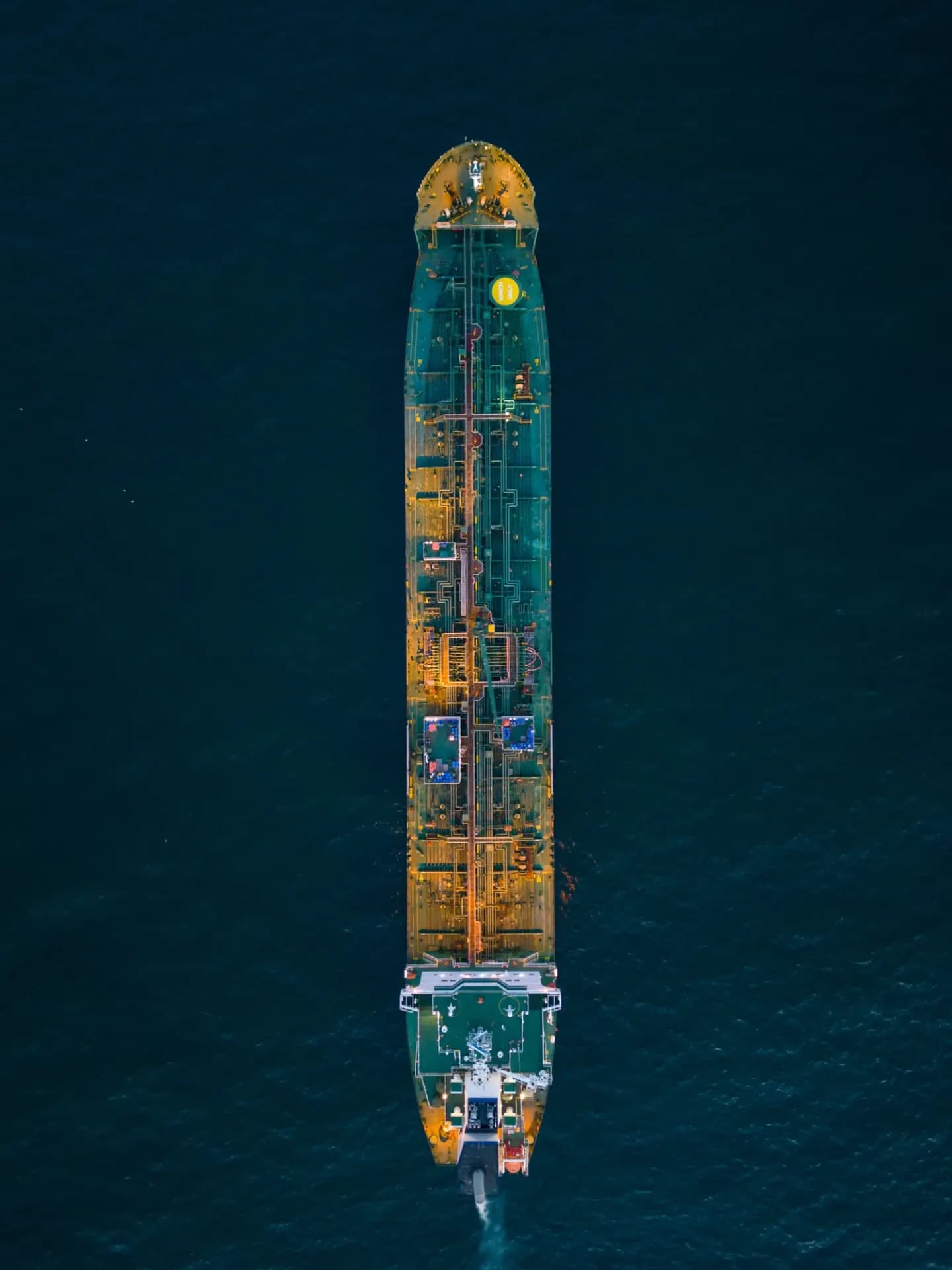
The tanker trades are moving in the same direction. One of the largest convoys yet assembled on the route was recorded in August, including nine tankers waiting north of the Taymyr Peninsula for icebreaker escort as crude and LNG volumes are pushed towards China. Talks with India and Vietnam point at the same conclusion: the route is being marketed as an international corridor, not simply as an export channel.
Ships in this story