Noble Wins 670-Day Jackup Contract For North Sea Abandonment Work
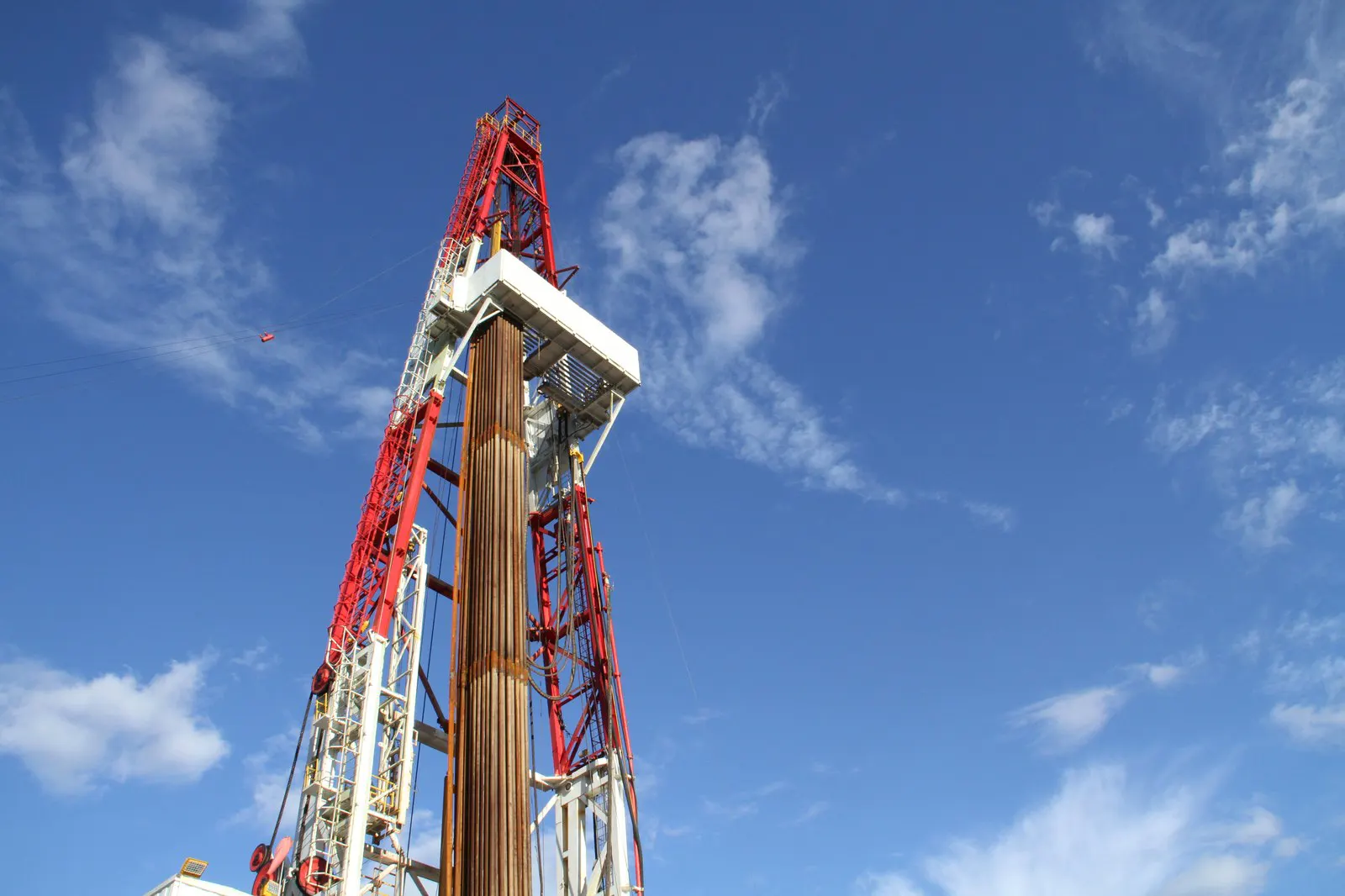
Noble Corporation has been awarded a 670-day contract by ConocoPhillips for an ultra-harsh environment jackup rig, covering plug and abandonment work in the Greater Ekofisk Area of the Norwegian North Sea. The contract is expected to commence in the third quarter of 2027 and will employ a rig delivered in 2014.
The duration is what distinguishes the award. Nearly two years of continuous work in a single field area gives the contractor revenue visibility of a kind that has been rare in offshore drilling since the last downturn, and it gives the operator a rig secured well ahead of the work at a point when ultra-harsh environment units are in short supply. There are relatively few jackups certified for year-round operation in the northern North Sea, and the operators who need them have learned to book early.
The scope is decommissioning rather than development, which is a distinction worth drawing. Plug and abandonment work involves permanently sealing wells that have reached the end of their productive lives, and it is a legal obligation rather than a commercial choice: an operator that has produced a field must eventually make it safe, at its own cost, with no revenue against the expenditure. The Ekofisk area has been producing since 1971 and carries a very large inventory of wells drilled across five decades.
That obligation is becoming one of the more reliable sources of demand in the offshore drilling market. Decommissioning spending is set by regulatory deadlines and well inventories rather than by the oil price, which makes it counter-cyclical in a sector where almost nothing else is. A contractor with rigs suited to the work can build a base load of activity that continues when exploration and development budgets are cut, and the North Sea, as the most mature offshore province in the world outside the Gulf of Mexico, has the largest pipeline of it.
The wider offshore picture supports the award. Field development investment is running at levels not seen for a decade, and the same rigs and vessels that serve new projects are the ones needed to close old ones, which means the two demand streams compete for a fleet that shrank substantially during the years of low activity. Booking a rig for delivery in the third quarter of 2027 more than a year in advance, for work that cannot be deferred indefinitely without regulatory consequence, is a rational response to a market where availability rather than price has become the binding constraint.