MSC's Terminal Arm Withdraws Barcelona Antitrust Filing
The terminal investment company controlled by the world's largest container line has withdrawn its filing with the European Commission for the acquisition of a 50 percent stake in the operator of Barcelona's largest container terminal, ending a review that had been in its second phase since December. The transaction would have left the buyer and a Hong Kong terminal group holding the operator jointly.
The Commission opened its in-depth investigation on 11 December, having been notified of the deal on 5 November, and set a second-phase deadline at the end of April. The review was subsequently suspended for missing documentation, a procedural step that stops the clock and is usually a sign that the parties and the regulator are some distance apart. The deal had been announced and approved by the port in June last year.
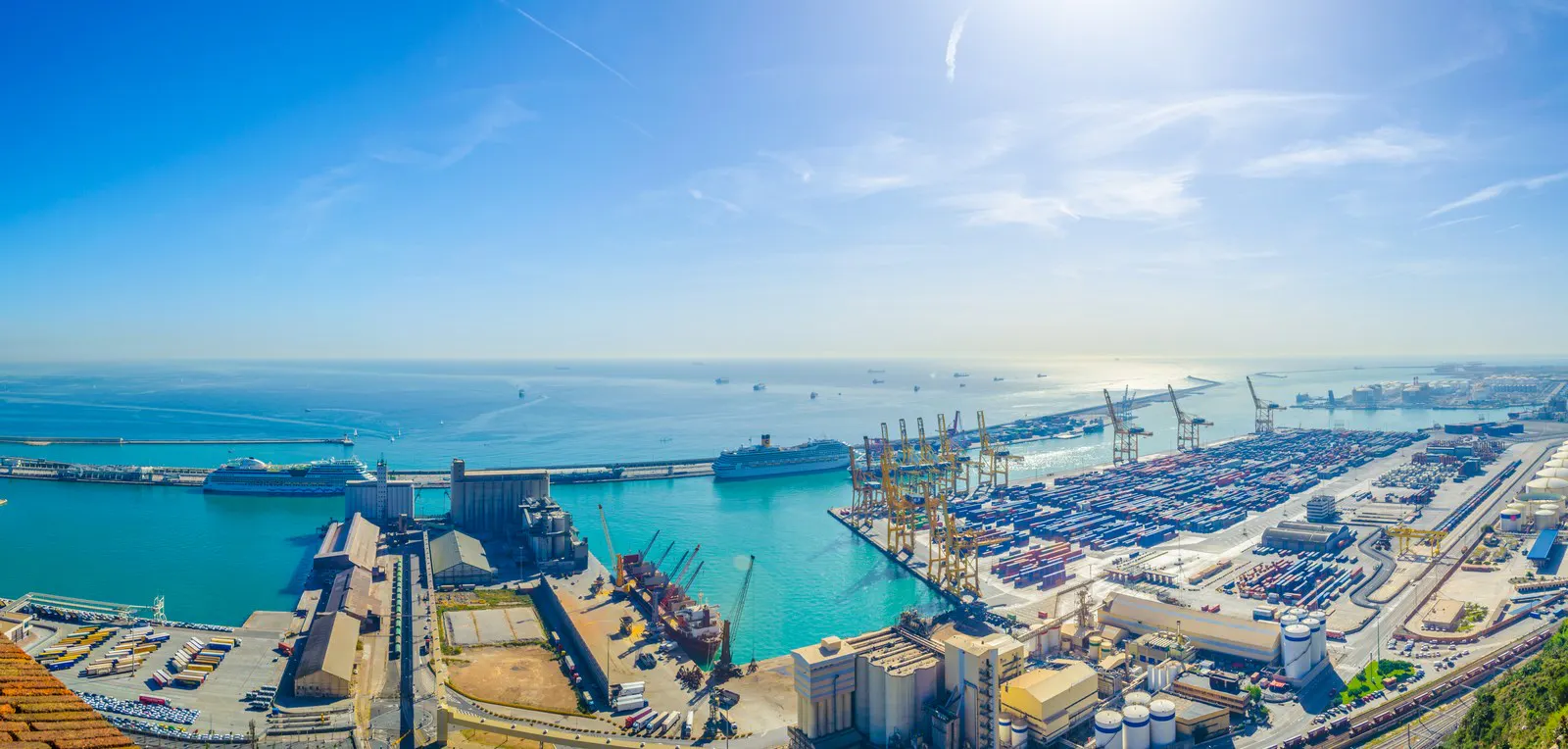
The competition concern was straightforward. The Commission said the transaction could lead to higher prices or reduced quality of container terminal services, and that the acquirer's parent might receive preferential treatment through pricing, berth access, and crane and storage allocation. The only other deep-sea container terminal in Barcelona is operated by the buyer's principal competitor, so the market the regulator was examining consisted of two facilities, one of which would come under the influence of the largest customer of both.
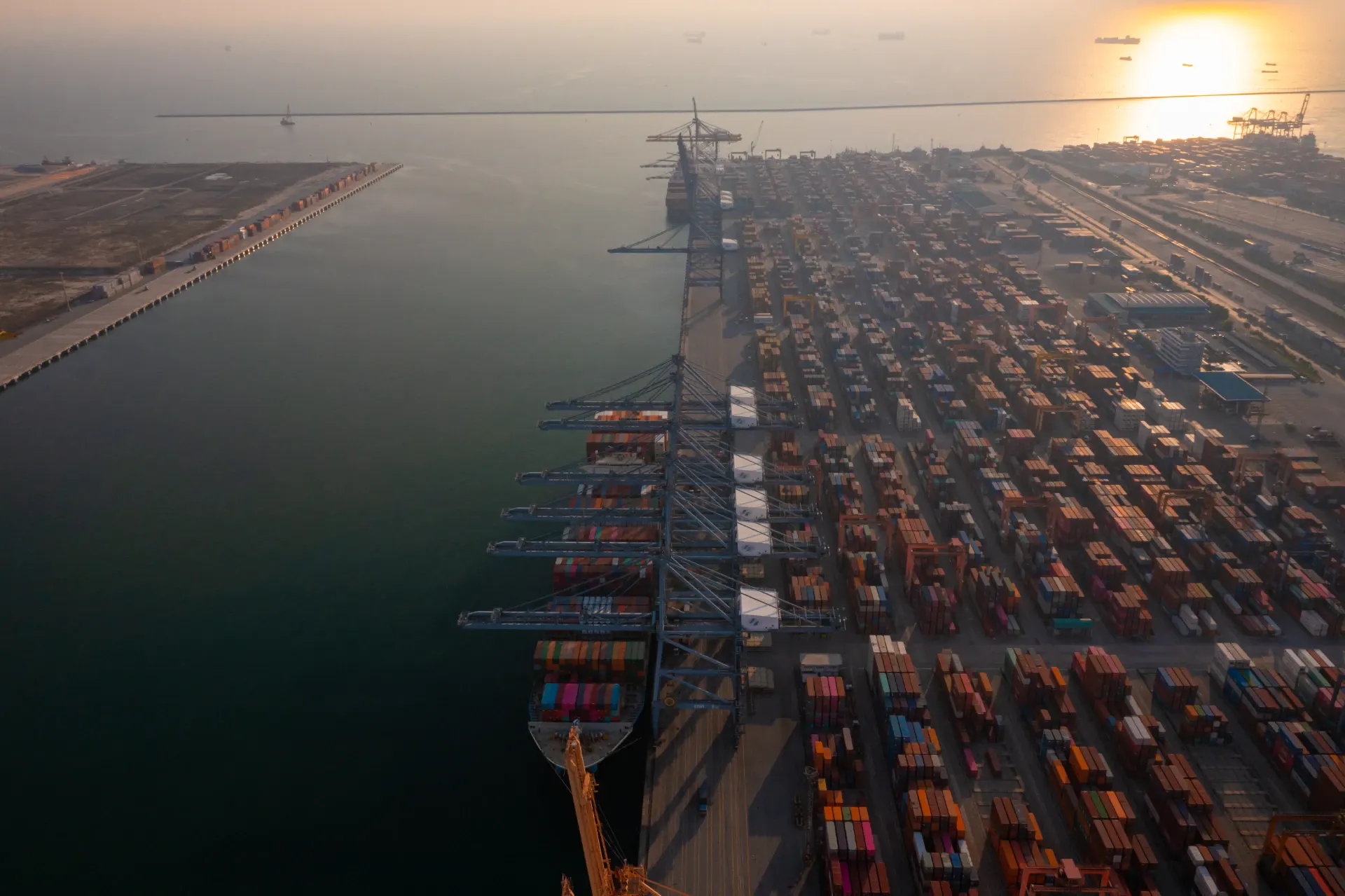
The terminal itself is substantial. It handled 2.8 million containers last year and receives more than 1,200 vessels annually, having tripled its volume since 2013 and required total investment of 876 million euros, some 32 percent above the original forecast. It opened in 2012. No value has been disclosed for the stake.
The withdrawal is the outcome that vertical integration in container shipping has been heading towards for some time. Carriers have spent a decade buying into the terminals they call at, on the reasoning that controlling the berth protects the schedule, and regulators largely permitted it while the terminals in question had multiple customers. A structure where the dominant carrier gains influence over one of only two terminals in a major European port is a different proposition, and the Commission signalled as much by going to a second phase. Pulling the filing rather than accepting remedies suggests the parties concluded that whatever the regulator would have permitted was not worth having. One date discrepancy remains unresolved in the reporting: the withdrawal is placed on 3 August in some accounts and on 10 August in others.