MSC Baltic III wreck removal in Newfoundland passes 55% of the hull
About 6,086 tonnes have been cut away and trucked for recycling; the stern is still in the water
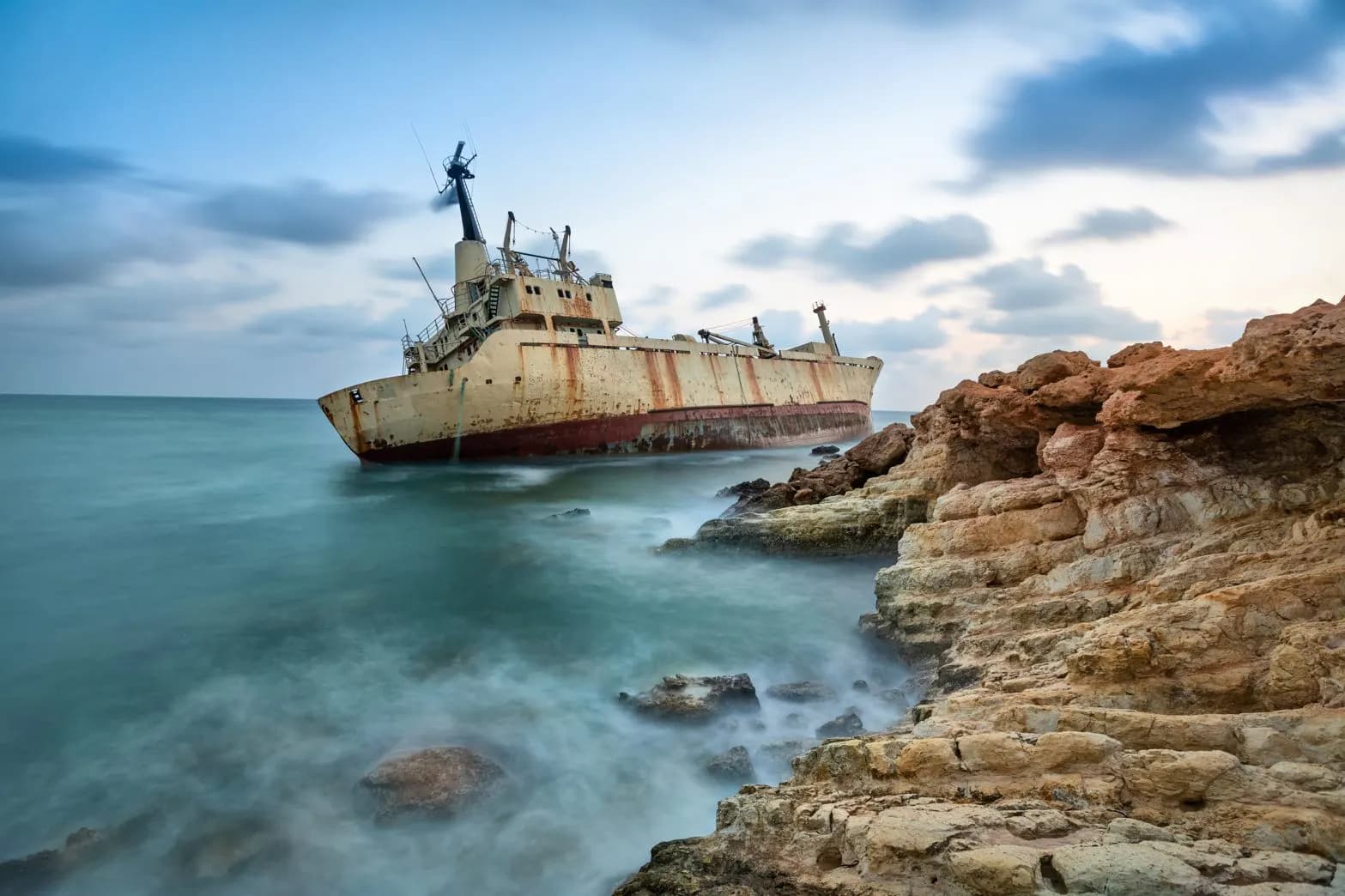
The removal of the wrecked containership MSC Baltic III from the coast of Newfoundland has passed the halfway mark. The Canadian Coast Guard, which is monitoring the operation, said that by the start of October about 6,086 tonnes had been removed from the wreck, close to 55 percent of the vessel's total tonnage.
The work is being carried out by Resolve Marine, which was hired by MSC Mediterranean Shipping Company and the ship's insurers. Images released by the Coast Guard show the hull stripped down and broken apart.
How is the hull being taken apart?
The dismantling accelerated over the summer with the removal of the deckhouse, the machinery and the upper portions of the ship. On 9 September a large part of the bow section was cut away and pulled onto shore. The hull has since been split close to where it cracked after the ship was driven aground in 2025.
On 27 September the bow and midship sections were pulled a further 42 metres towards the shore, which brings them within reach of the scrap pad. A large crane on the pad lifts sections of hull, which are then trucked away for recycling. The stern section is still in the water and is being prepared for pulling.
While cutting continues, the salvors are cleaning tanks and lines to remove residual fuel, and an absorbent boom remains in place around the site to contain any release of pollution.
When will the site be cleared?
Resolve Marine has said it will keep working until winter weather closes in, with the aim of removing as much of the ship as possible before then. A final clean-up and restoration of the shoreline is expected in 2027.
The 207-metre, 33,767 dwt ship lost power during a winter storm on 15 February 2025 while about 12 nautical miles offshore and was driven into Cedar Cove, near Lark Harbour, where she came to rest on the shoreline. Canadian forces lifted her 20 crew off by helicopter. The first phase of the salvage removed the cargo of about 470 containers, more than half of them empty, and around 1.7 million litres of heavy fuel oil and marine gas oil.
This story is part of the Maritime Briefing of 7 October 2026.