Mediterranean container volumes set to keep rising despite Hormuz disruption
A new study forecasts steady growth in Mediterranean container traffic through 2030
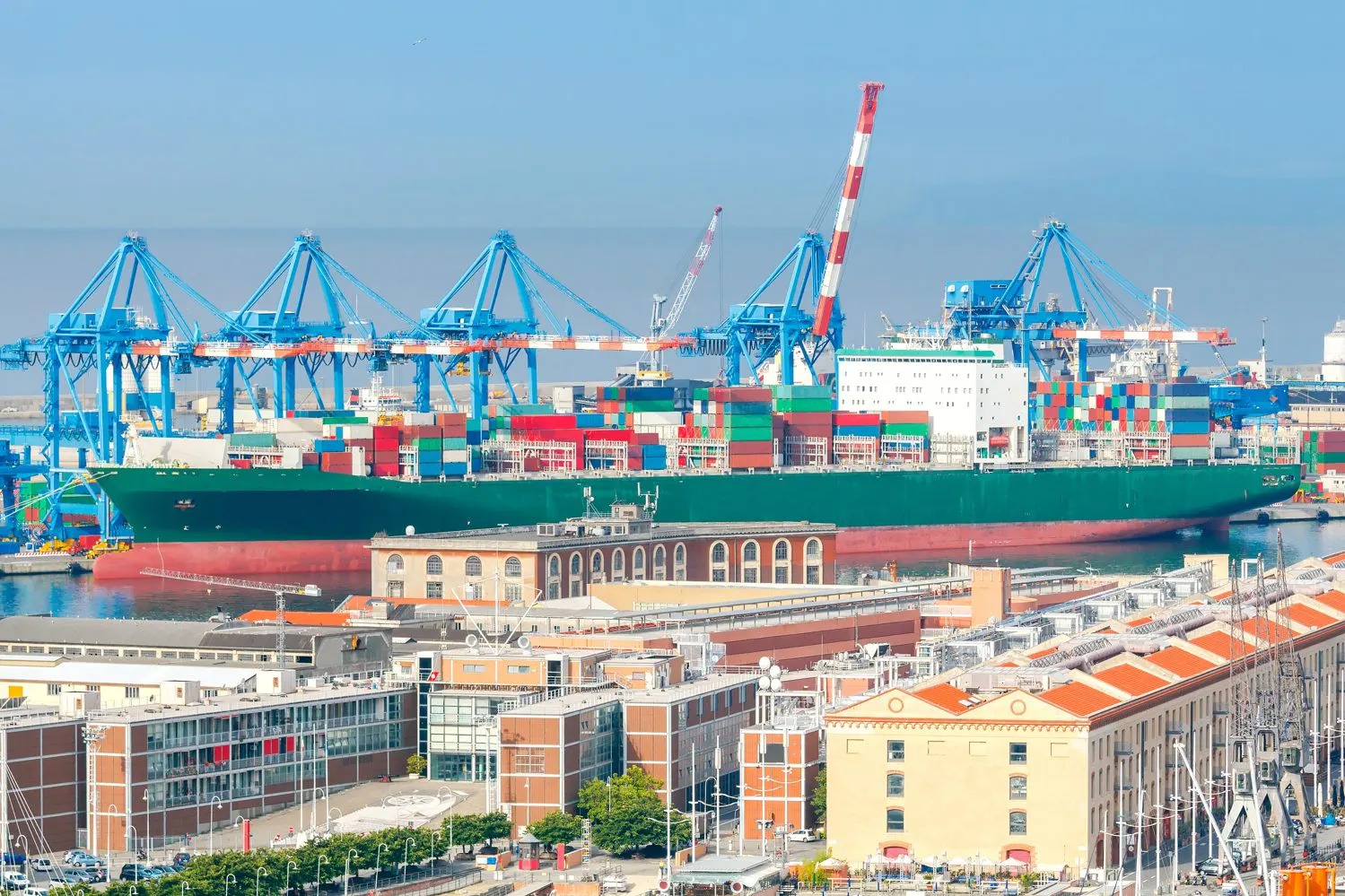
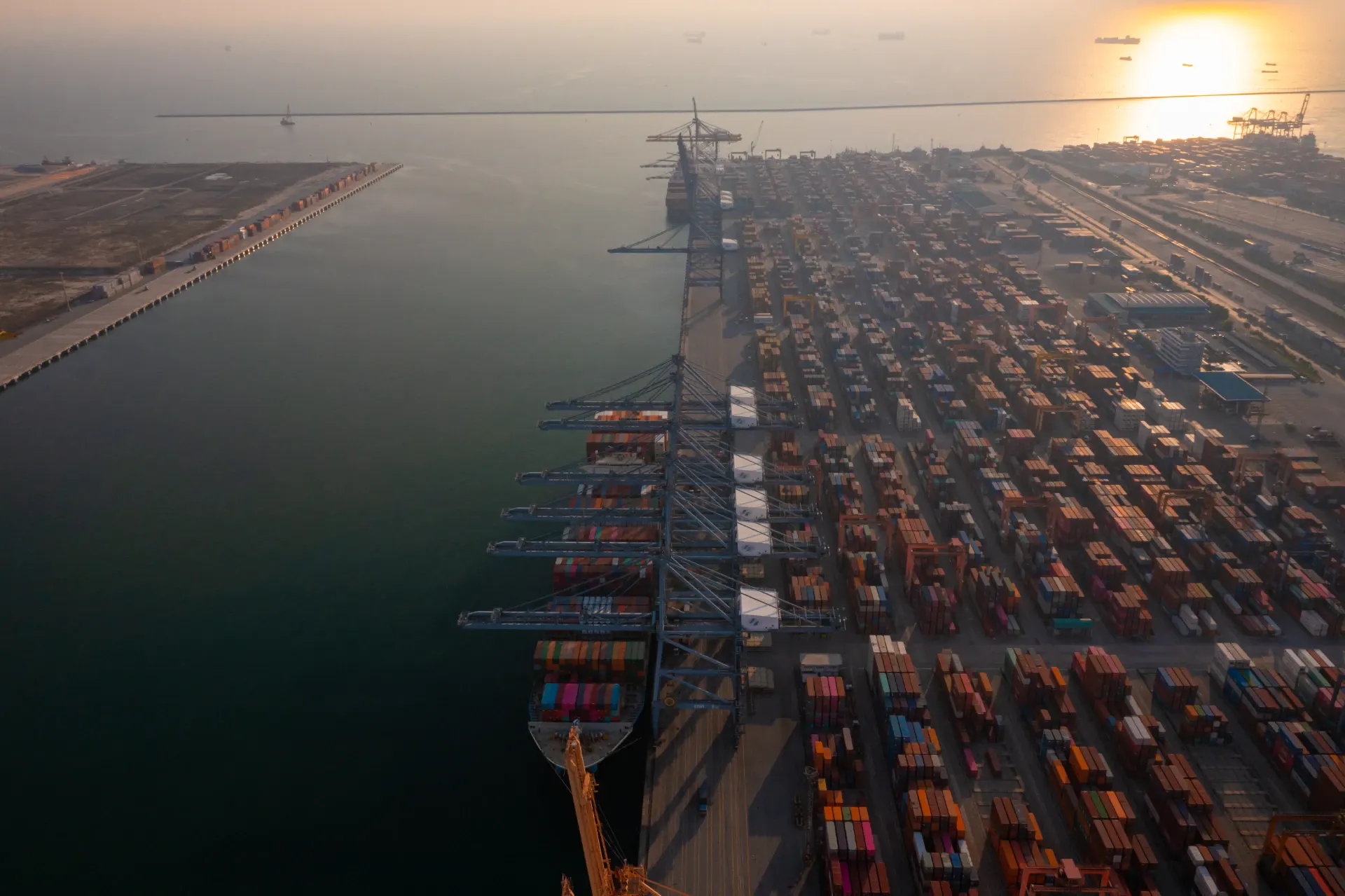
Container traffic in the Mediterranean is rising and is expected to keep growing at least until 2030, even though shipping through the Strait of Hormuz has fallen sharply and the situation in the Middle East is also weighing on the Suez Canal. A newly published study of the region's maritime economy forecasts an average annual increase in port traffic of 2.8% up to 2030, a rate above the global average.
The report found that the region's main container ports handled more than 72 million TEU in 2025, an overall increase of 5.9%, while intra-Mediterranean container traffic grew 6.3% to exceed 3.2 million TEU. Its forecasts point to a 15% rise in Mediterranean container traffic over the five years to 2030. Italian ports handled a total of 511 million tonnes of cargo in 2025, up 3.5%, with container throughput reaching 12.8 million TEU, up 7.1%, driven mainly by strong growth in transhipment.
The study's authors argued that geopolitical tensions are not halting maritime trade but reorganising it, with the Mediterranean strengthening its role as a hub connecting Europe, Asia, Africa and the Middle East as carriers seek more resilient routes and greater diversification. They noted that Mediterranean container ports now handle more cargo than the major ports of northern Europe, a reversal from a decade ago.
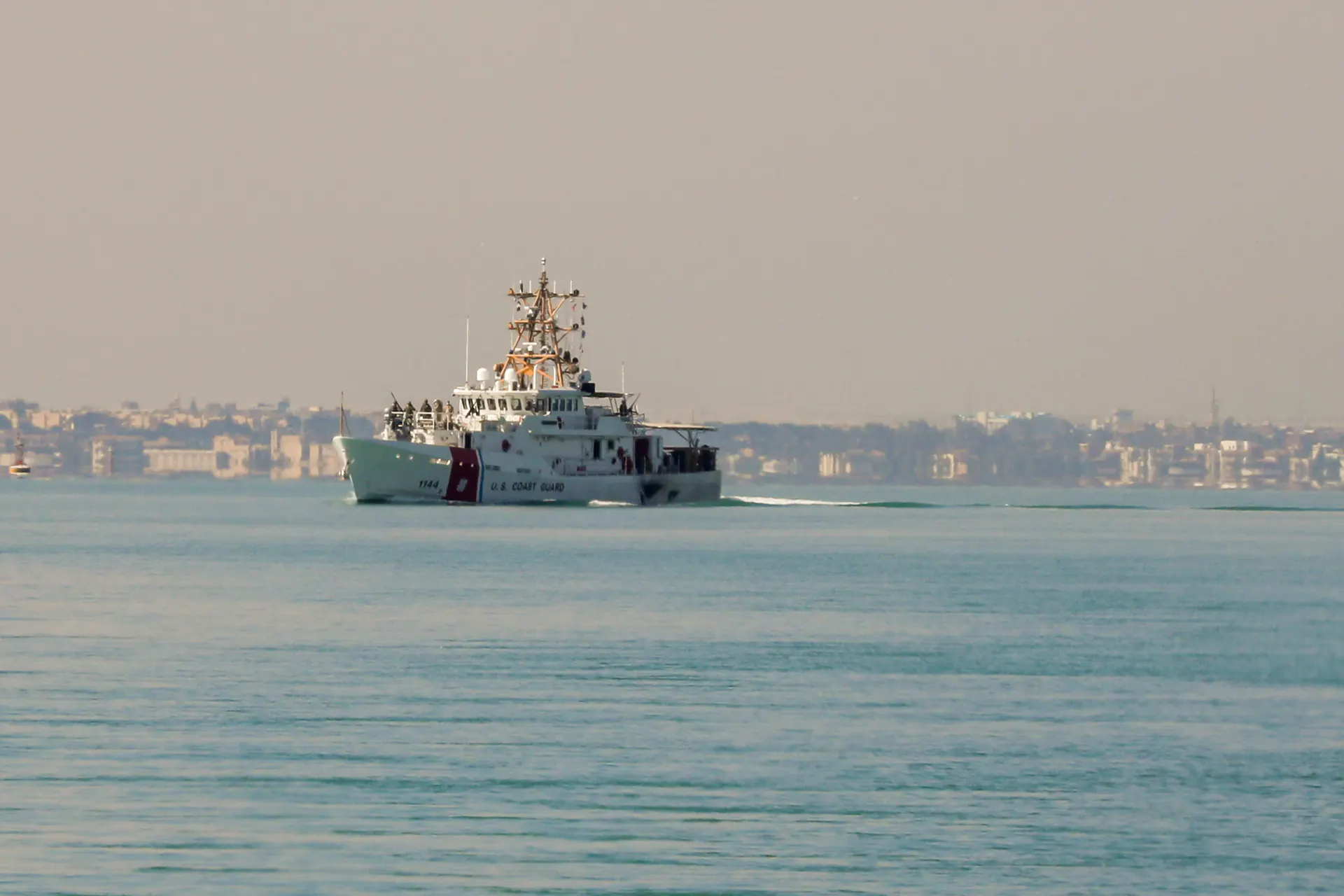
On the Middle East, the report stressed how much traffic through the Strait of Hormuz has collapsed, falling around 95% below normal levels. It described the strait as a reminder of the fragility of chokepoints: even when container volumes through it are limited, the impact on energy, costs, insurance, routes and freight rates can spread quickly across the global maritime economy, prompting carriers to activate alternative sea, road and rail routes.