MARAD Signs Nuclear Propulsion Agreement With CORE POWER
Agreement targets first construction from 2028 but carries no funding commitment
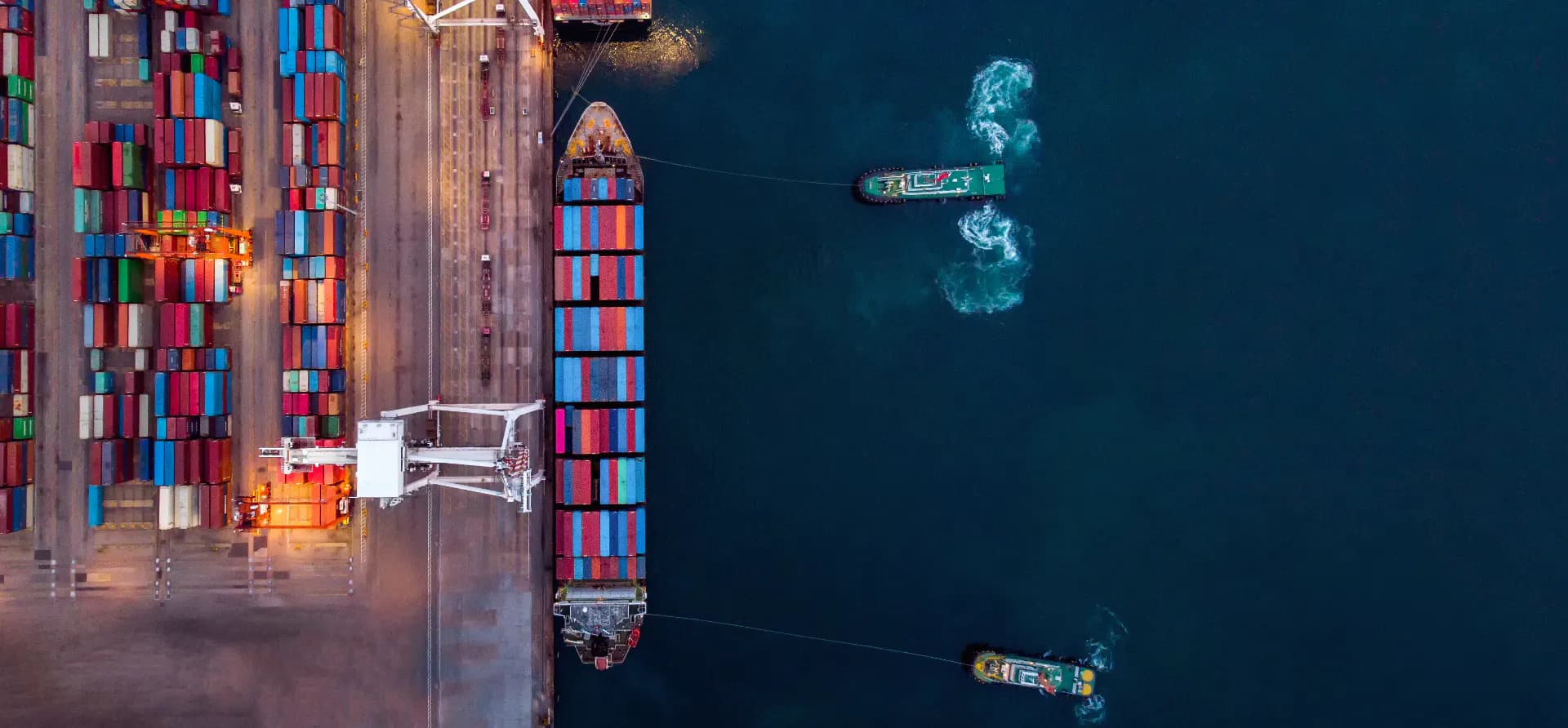
The US Maritime Administration has teamed up with CORE POWER in an agreement intended to accelerate the creation of a US-flagged fleet of nuclear-powered merchant ships.
The memorandum of cooperation brings MARAD and the UK-founded nuclear technology company together to work through the obstacles that have kept nuclear propulsion confined to naval vessels. CORE POWER is targeting first construction from 2028, although the agreement does not commit MARAD to funding, procurement or acquiring vessels.
The initiative forms part of a wider drive to rebuild American maritime capability, and comes as Washington argues that China's dominance of global shipbuilding is both an economic and a national security challenge.
"China is already moving toward nuclear-powered commercial shipping. That should focus minds in Washington," said CORE POWER founder and chief executive Mikal Boe.
Rather than compete directly with Asian shipyards on conventional vessel construction, CORE POWER envisages allied yards, particularly in Japan and South Korea, building hulls and marine systems, while nuclear integration, fuelling, testing and through-life support capability is established in the United States. That division of labour sidesteps the cost gap on steelwork and concentrates the American effort on the part of the value chain that is hardest to replicate.
MARAD administrator Stephen Carmel described nuclear propulsion as a serious opportunity that needed to be treated as a complete system covering safety, licensing, investment and operations. The agreement creates a forum to address port access, workforce credentialling, reactor fuel and lifecycle services, insurance, finance and industrial capacity.
Those are the binding constraints rather than the reactor itself. Liability, insurance and port acceptance have blocked civil nuclear propulsion since the last generation of demonstration ships, and no commercial operator can plan a service on a vessel that terminals may refuse.
The regulatory scaffolding is moving, slowly. The International Maritime Organization is revising its 1981 nuclear merchant ship safety code, with adoption targeted for 2030. The International Atomic Energy Agency is launching its ATLAS initiative in Washington this week to bring nuclear and maritime regulators into the same room.
MARAD's move follows a request for information issued in May on commercially viable small modular reactors for marine transportation. The agency has also signed agreements with the ports of Long Beach and Corpus Christi to examine nuclear applications in the maritime sector. Maersk, CORE POWER, Lloyd's Register and Rotterdam have separately examined the feasibility of nuclear-powered feedership calls in Europe.
Elsewhere, a Korean group has secured approval in principle for a nuclear-powered container ship, and Chinese yards have published concepts for shoreside nuclear infrastructure.