Iran talks up a tanker convoy as Olym and Hao Fan test the US blockade with an STS
About 200,000 barrels moved between the two ships while Windward counts 31 laden sanctioned tankers already past Hormuz
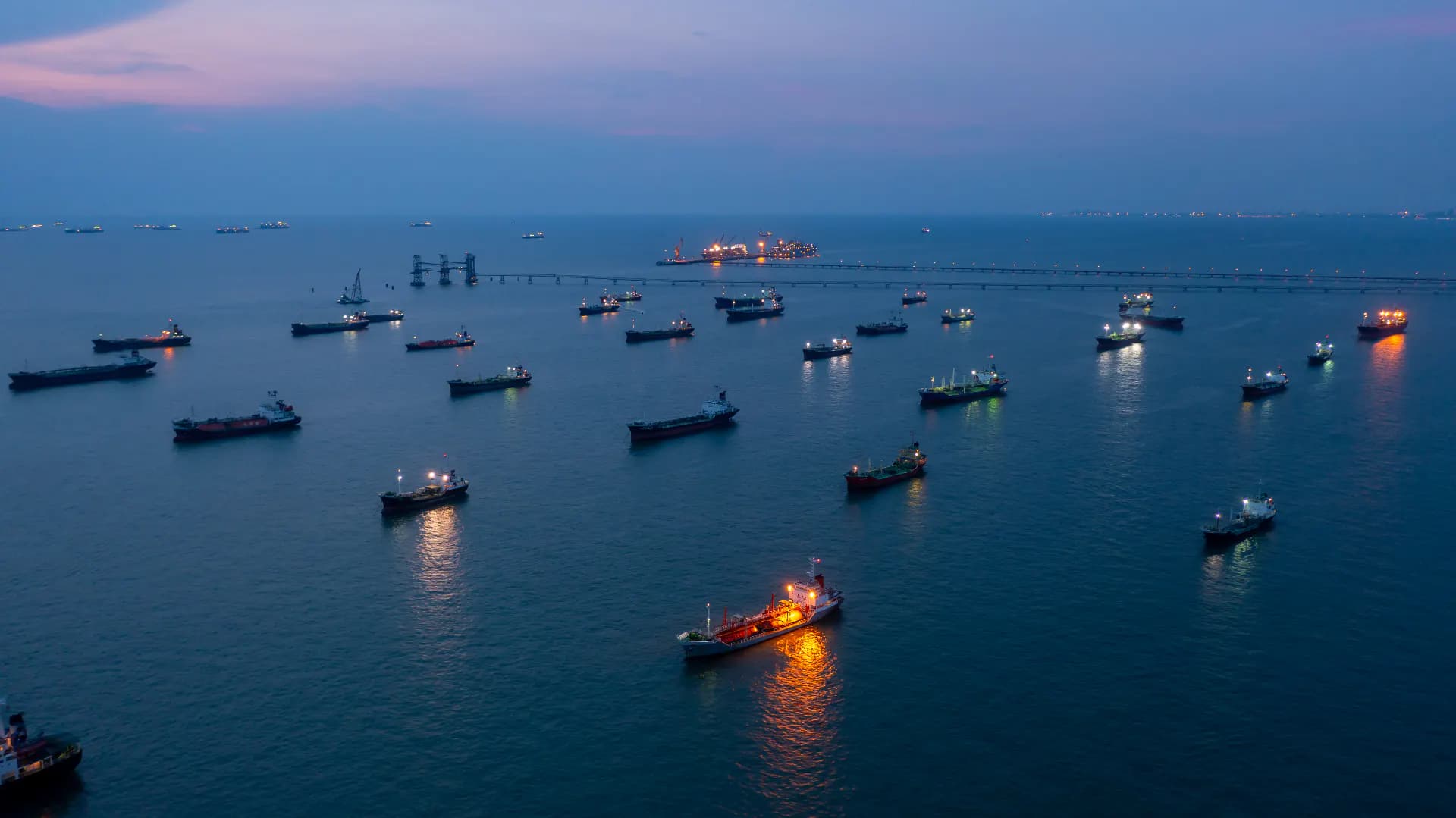
Iran is signalling that it wants to restart crude exports through the US blockade. An IRGC-linked news agency has claimed that 14 tankers have loaded at Kharg Island, been crewed and raised Iranian flags, ready to sail for the Far East, and threatened new attacks on oil facilities in the UAE, Saudi Arabia, Qatar, Kuwait, Oman and Bahrain if the shipments are disrupted.
Not every observer accepts the convoy story. TankerTrackers.com, which first posted that Iran appeared to be preparing to ship oil again, later dismissed talk of an imminent convoy as "Wishful thinking." Foreign Minister Abbas Araghchi said on Friday: "We are making every effort regarding oil exports and negotiations. The blockade must be broken."
Which ships are moving Iranian crude?
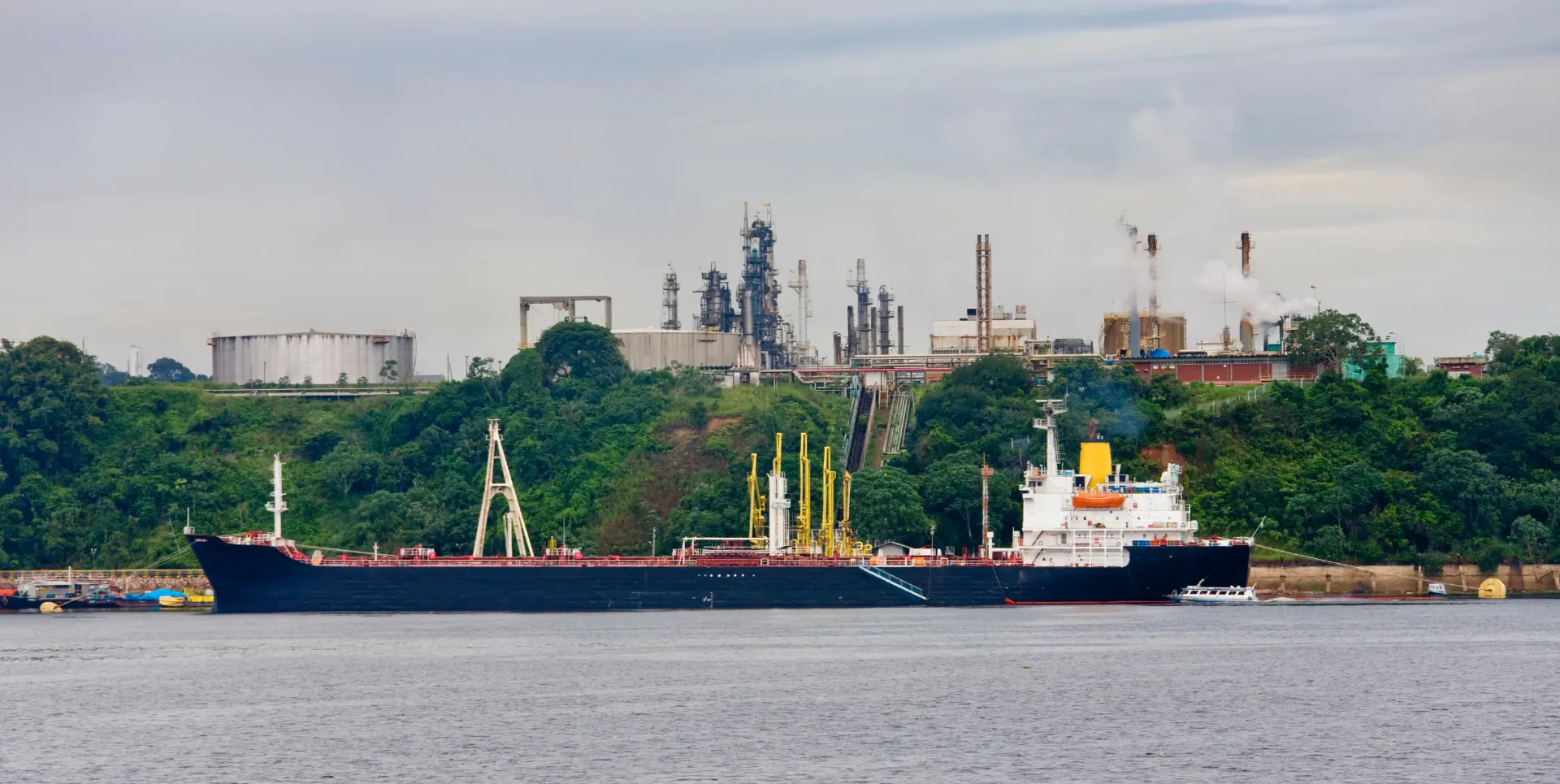
United Against a Nuclear Iran tracked what would be Iran's first ship-to-ship transfer in months: about 200,000 barrels of Iranian crude moved from the sanctioned Suezmax Olym, 160,383 dwt and claiming a false Guyana registry, to the non-sanctioned medium-range tanker Hao Fan, 47,199 dwt and claiming a false Nicaraguan registry. The Turkish-owned Hao Fan was spoofing her position to appear near Oman. CENTCOM responded that any tanker taking cargo by transfer from a ship under the blockade would itself be treated as evading it.
The pressure on Tehran is visible in the loadings. Iran made no crude loadings in October, the second month running, Kpler data show, the first time since 1979 that it has not loaded oil. When the war began it was loading 2 million barrels a day of crude and condensate.
Does Iran need Kharg to challenge the line?
Windward says it does not. It counts 31 laden sanctioned tankers already past the Strait of Hormuz and holding in the Arabian Sea within a day's sailing of the blockade line, including four crude carriers with an estimated 4.9 million barrels, plus LPG and product cargoes. Iran has already used LPG carriers to probe the line: Windward tracked 11 that tried in September and October. UKMTO, which confirmed six strikes on shipping in its latest seven-day report, said about 45% of the vessels involved in incidents are on the PGSA Non-Compliance List.
What is Washington asking of Singapore and Malaysia?
US Treasury officials met regulators and national security bodies in Singapore and Malaysia this week to warn of the risks of failing to comply with Iran sanctions, singling out maritime transport, aviation services and procurement networks. A Treasury official said "we're going to target these lifelines, and it's not going to be a negotiation when we find a lifeline that needs to be targeted". Waters off Malaysia, Singapore and Indonesia have long been used for transfers that obscure the origin of Iranian oil, and Malaysia seized two tankers and their cargoes in February. Singapore said it "is firmly committed to doing our part" in preventing abuse of its corporate vehicles.
This story is part of the Maritime Briefing of 22 November 2026.