Maersk Launches Tangier-Casablanca Rail Link to Ease Port Congestion
The service positions Tangier as gateway, Casablanca as hub for 35% of Morocco's port traffic.
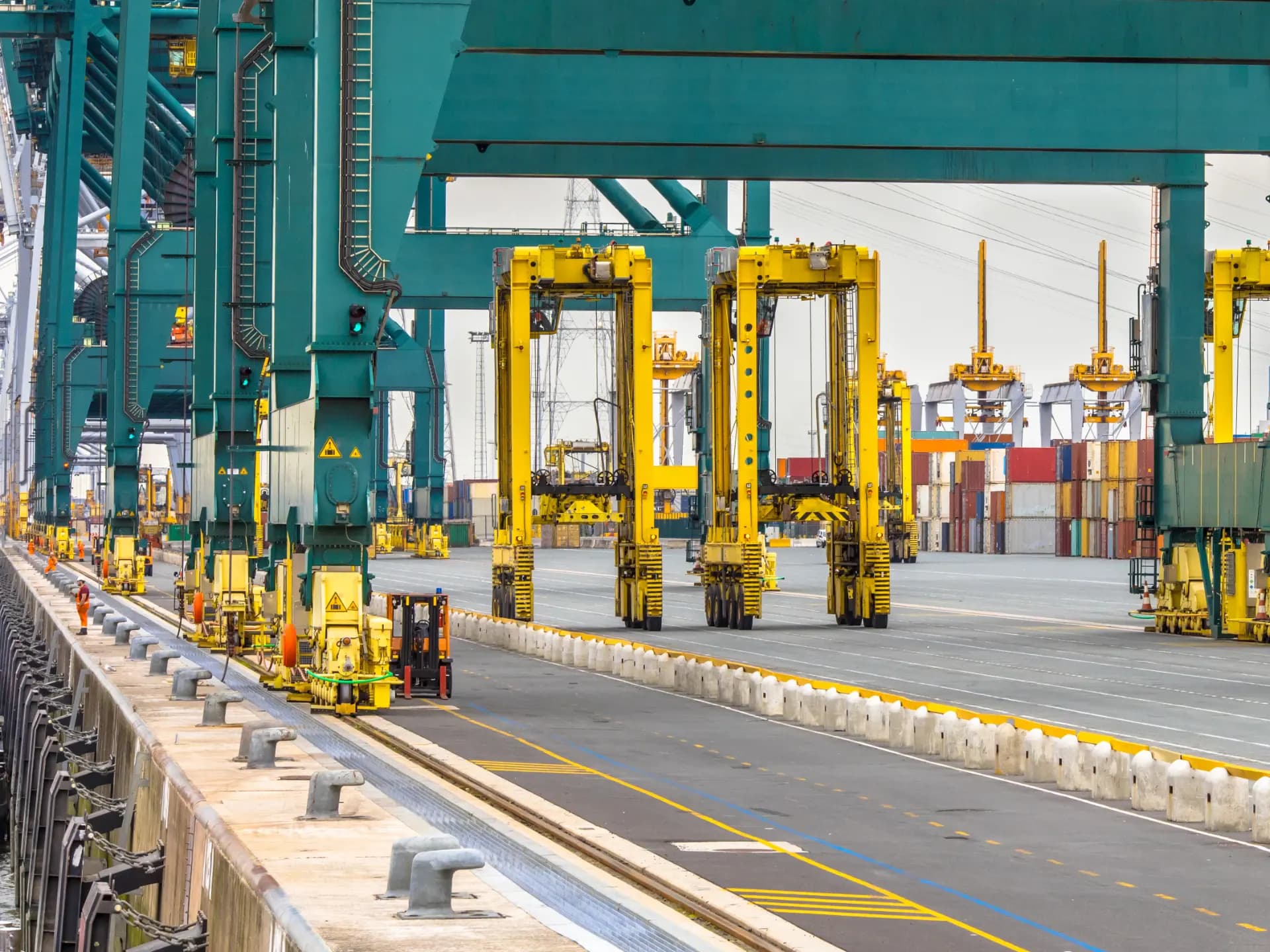
Maersk has introduced a high-frequency rail link between Tangier and Casablanca, aimed at easing gateway congestion at Morocco's busiest port by giving shippers an intermodal route into the country's commercial centre.
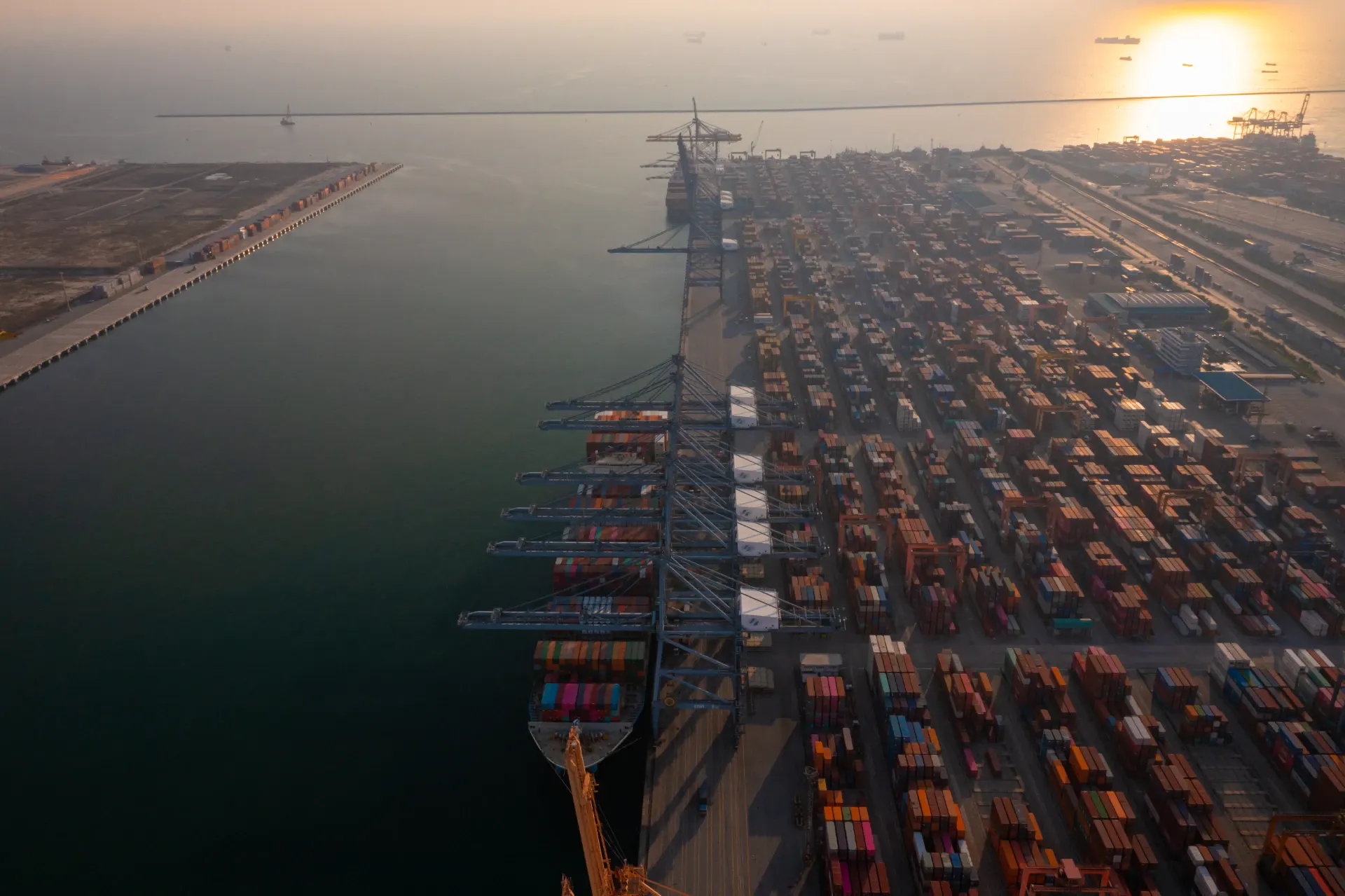
Casablanca has long served as one of Africa's most critical maritime hubs and shows no sign of slowing in 2026: the port processed 17 million tonnes of cargo in the first half of the year, with June throughput alone reaching 3.53 million tonnes, up 32 percent year on year. That volume, equivalent to around 35 percent of Morocco's total port traffic, has brought persistent operational strain, and shippers have regularly reported gateway congestion and limited flexibility affecting supply chain predictability.
Maersk's rail service positions Tangier as the primary maritime gateway into Morocco, linking it directly to Casablanca's industrial and commercial base by rail rather than routing everything through the more congested port directly. Tangier has built a reputation as one of the region's best-connected ports, serving as a bridge between Morocco and wider global trade routes, and Maersk's ocean network already provides frequent vessel connections there.
The rail corridor is fully operational, with regular departures and consistent transit times intended to let shippers plan inventory and operations around predictable schedules rather than port-side uncertainty. Maersk's offering extends beyond the ocean and rail legs themselves to include customs clearance options, inland storage and final-mile trucking, positioning the company as a single point of contact across the full route into Morocco's interior.
Ruben Moratinos, Head of Sales Maghreb at Maersk, framed the service around a problem the company says it hears from customers regularly: getting cargo into Casablanca without absorbing the port's own congestion. The corridor also serves a broader purpose for Morocco-Europe trade, reducing dependency on any single transport mode and adding resilience to a supply chain that has increasingly needed it as regional volumes grow.