Maersk takes delivery of fourth 9,000-TEU methanol-capable containership
Tacoma Maersk will run the Middle East and India to US East Coast trade
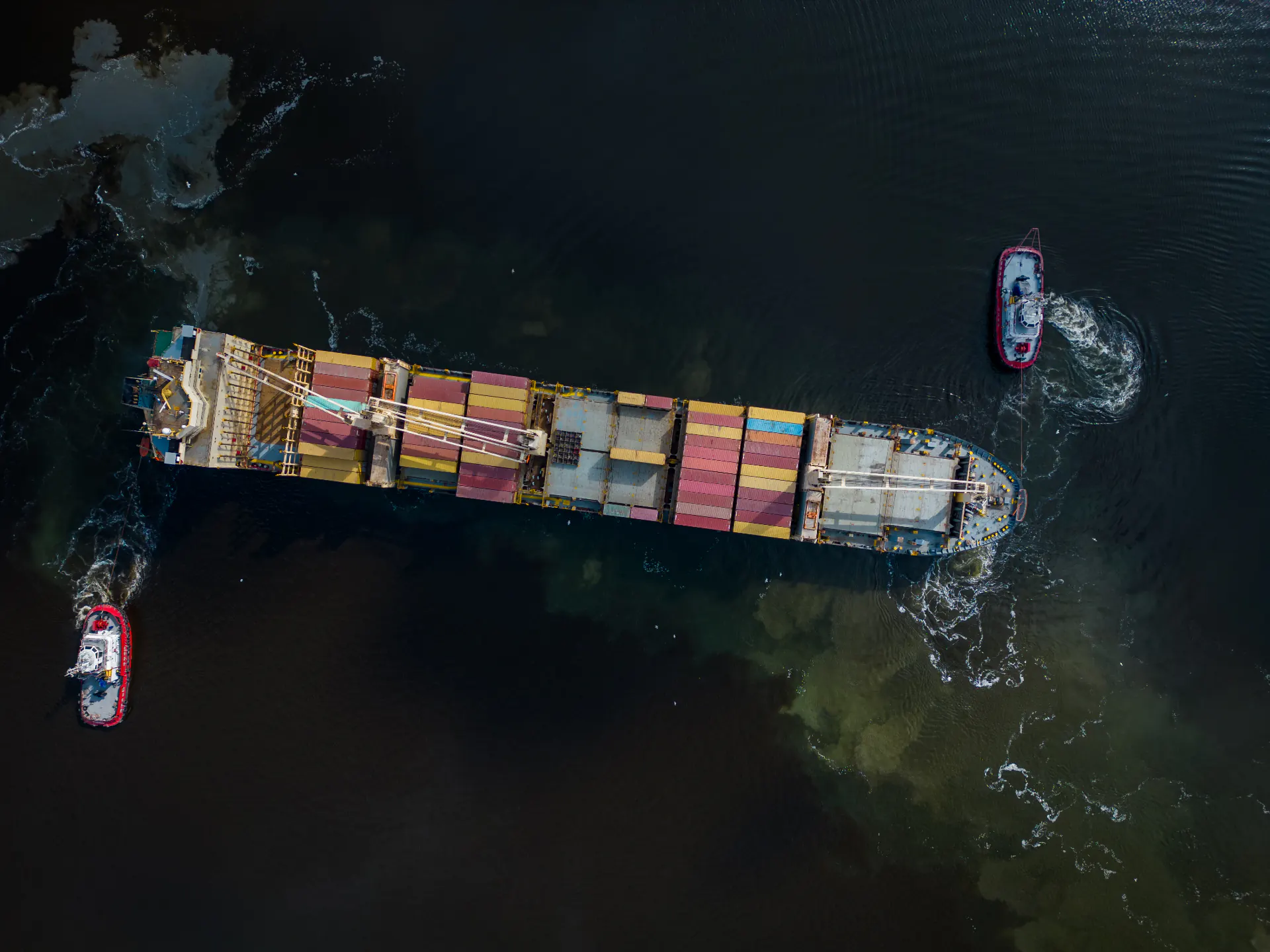
A.P. Moller-Maersk has taken delivery of TACOMA MAERSK, the fourth vessel in a series of six mid-sized container ships able to run on methanol as well as conventional fuels.
The 9,000-TEU newbuilding will be deployed on the trade route connecting the Middle East and India with the US East Coast. The first three vessels in the series were handed over earlier this year, and the remaining two are scheduled for delivery towards next year.
The delivery extends a methanol-capable fleet that Maersk has assembled across several size classes rather than concentrating it in one segment. The carrier now operates twelve vessels of 16,000 TEU, six of 17,480 TEU and four of 9,000 TEU with methanol capability, alongside one 15,690-TEU containership that was retrofitted to burn the fuel.
That spread matters commercially. A dual-fuel engine only earns its premium where the bunker is available at a competitive price, and holding capable tonnage in more than one size class lets the operator move those ships towards the trades where green methanol supply actually materialises, rather than committing a single string to a fuel network that is still forming.
Maersk has also trialled 100% ethanol on LAURA MAERSK, the 2,100-TEU methanol-capable feeder that became the first vessel of its type in the fleet. Testing a second alcohol fuel on an existing dual-fuel platform widens the range of feedstocks the same machinery can accept, which reduces the exposure of the newbuilding programme to any single fuel pathway.
The mid-sized series sits in a segment where methanol capability has been comparatively rare. Most of the early orders for methanol dual-fuel tonnage went into the largest classes serving Asia-Europe, where the volumes justified the additional capital cost. Placing the capability on 9,000-TEU ships aimed at Middle East and India trades to the US East Coast puts alternative-fuel tonnage on a route where the fuel infrastructure question is still open.