Ransom Standoff Deepens Around Hijacked Somali-Held Coaster
Pirates are said to be seeking $2m while Puntland warns against any payment
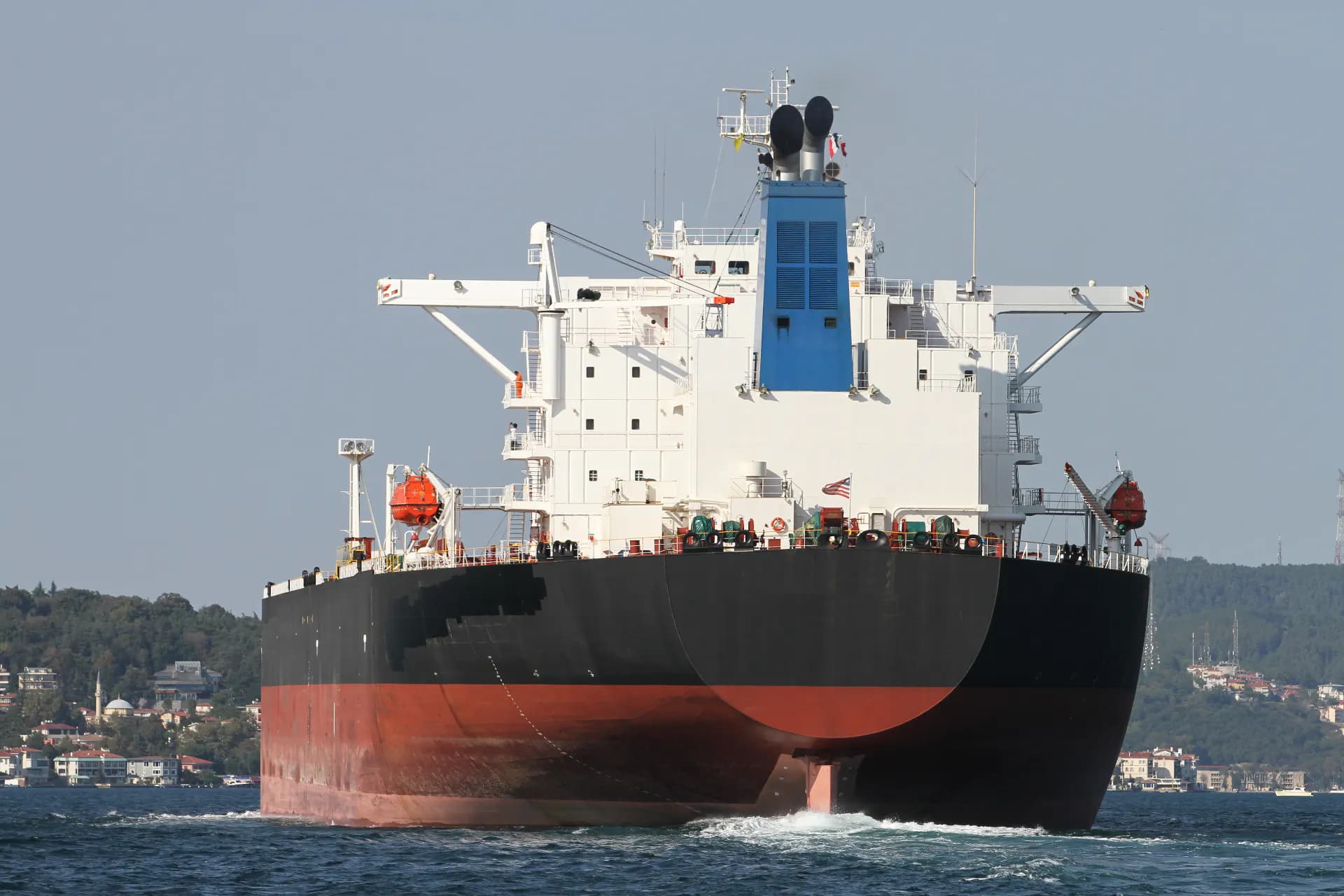
The small cargo ship Lutuf, seized last week by Somali pirates, remains at the centre of an unusually opaque standoff, with a reported $2m ransom demand and a series of unconfirmed accounts of violence around the anchored vessel.
Claims that the ship was carrying Turkish weapons and materials destined for a training camp in Mogadishu have circulated widely in the region. Turkish authorities have declined to comment on the cargo or on the vessel's charterer.
Unconfirmed accounts describe an attack on Sunday against a small boat travelling out to the Lutuf, possibly involving a missile. Those accounts put the death toll at nine, with victims severely burned. A similar account of a strike on a small boat near the ship circulated the previous week. Neither incident has been independently verified, and there has been no official confirmation that any warship engaged targets in the area.
EUNAVFOR Atalanta has warships in the region and has said it is monitoring the six vessels now being held for ransom in Somali coastal waters.
The reported $2m demand for the Lutuf is modest by the standards of the last piracy wave, and it is not clear whether the hijackers knew what they were seizing or took the ship as a target of opportunity and discovered the nature of the cargo afterwards. Negotiations are said to involve officials from the Somali federal government alongside Turkish representatives.
That has drawn an unusual intervention from the authorities in the semi-autonomous Puntland region, where much of the piracy activity is based. Officials there issued a decisive warning against yielding to the hijackers' demands or paying any ransom, arguing that payment would inevitably fund and encourage a new and dangerous wave of armed piracy along the coast.
The Global Initiative Against Transnational Organized Crime has made a similar argument, pointing to a ransom paid for a fishing vessel as a precedent that may be fuelling the current surge.
The Lutuf is the second opaque vessel taken in recent days. Pirates also seized a small product tanker linked to Iranian fuel smuggling. Maritime intelligence firm Pole Star Globe reported critical gaps in the tracking history of the Tanzania-flagged tanker Asana long before the hijacking. The ship was sold in 2023 but had previously been linked to a Russia-based manager, Valkur, between 2013 and 2023; after the reported sale, Valkur was sanctioned by the European Union and others.
Ships operating with tracking gaps and opaque ownership are attractive targets precisely because they sit outside the reporting and naval liaison arrangements that protect mainstream tonnage. The pattern has repeated across the region since pirates began seizing sanctioned tankers off Yemen.
Ships in this story