Low Water Strands Viking River Cruise Ship In The Danube
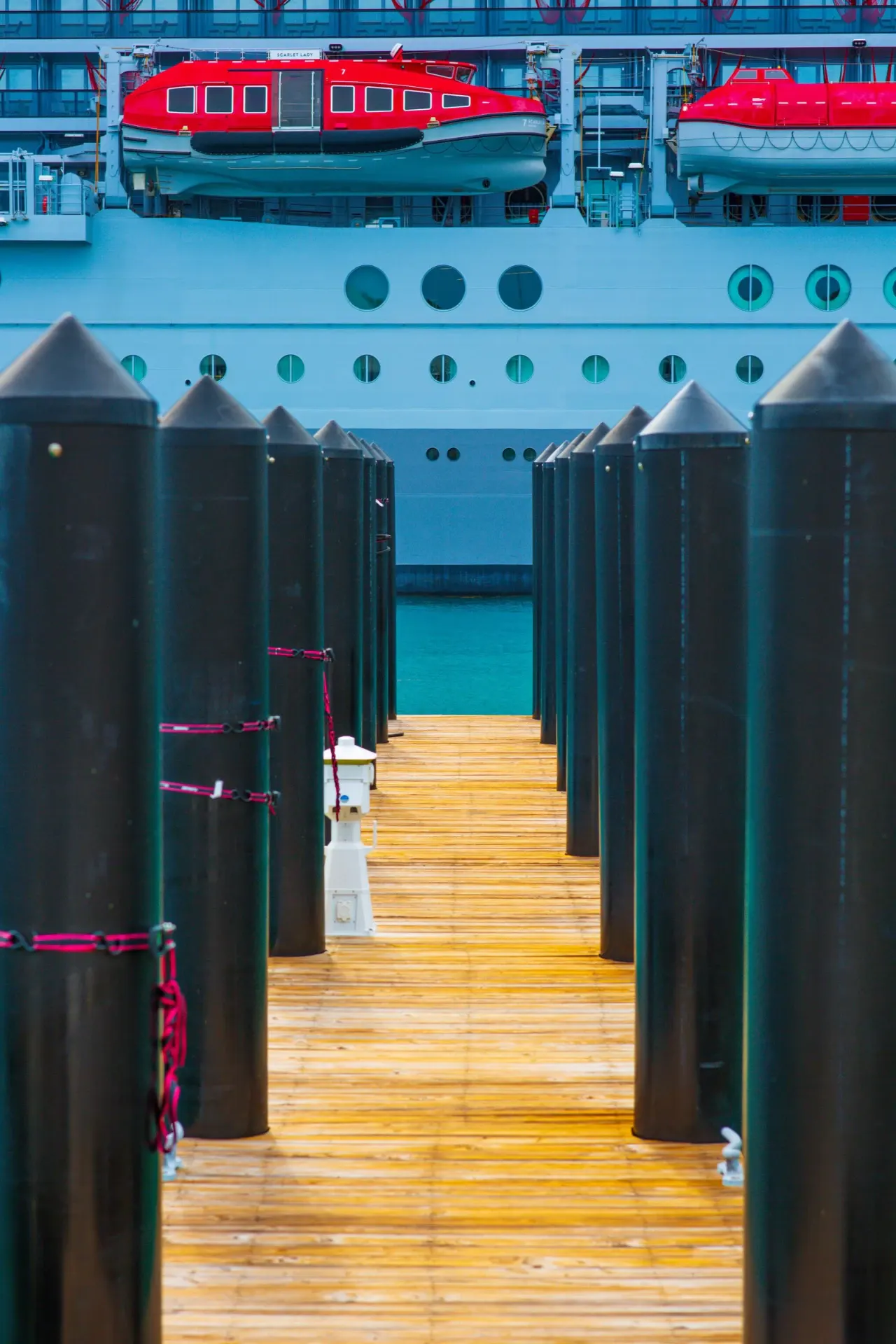
A Viking river cruise vessel has run aground in the Danube after coming into contact with a sandbank in extremely low water, and efforts to refloat her are reported to have been unsuccessful. According to the cruise line, the Viking Ullur touched the bank while sailing on 28 July 2026 and subsequently grounded. The company said the wellbeing of passengers and crew remained its highest priority and that no injuries were reported. It added that it would communicate updates to affected guests and their travel advisors.
Bulgaria's border police said the incident occurred close to the city of Vidin, where the ship had stopped to take on supplies. Officers were able to evacuate the vessel's 52 crew members and 186 passengers after a second boat was dispatched, the first having been unable to get close enough to the grounded ship in the shallow water. Guests were brought safely ashore and continued their day trip in Bucharest, an outcome that reflects how much of the modern river cruise product is delivered by coach rather than by hull.
The grounding is a symptom of a much wider problem on Europe's rivers this summer. Water levels in the Danube have fallen to their lowest point in three decades following reduced rainfall, extended summers, drought conditions and successive heatwaves. The river, the second longest in Europe, runs from Germany's Black Forest through the delta in Romania to the Black Sea, and long stretches of it are now marginal for vessels drawing anything more than a shallow draught.
Operators are already withdrawing capacity. At least one other river cruise operator has cancelled sailings on both the Danube and the Rhine, citing the same conditions, and numerous vessels have been left either stranded or confined to port. For the cruise lines the immediate cost is refunds, repositioning and substituted land programmes; the more serious issue is that low-water summers are becoming a recurring feature rather than an occasional disruption, which changes the economics of a fleet designed around continuous seasonal deployment.
The same water levels are squeezing cargo movements. Barge operators on the Rhine and the Danube have been loading well below capacity for weeks, forcing more freight onto rail and road at exactly the point in the year when both are already tight. Refloating the cruise vessel will depend largely on rainfall in the upper catchment, which leaves the operator with little to do beyond waiting and lightening the ship where it can.