Largest Ship Ever To Call At Port Everglades Renews Dredging Push
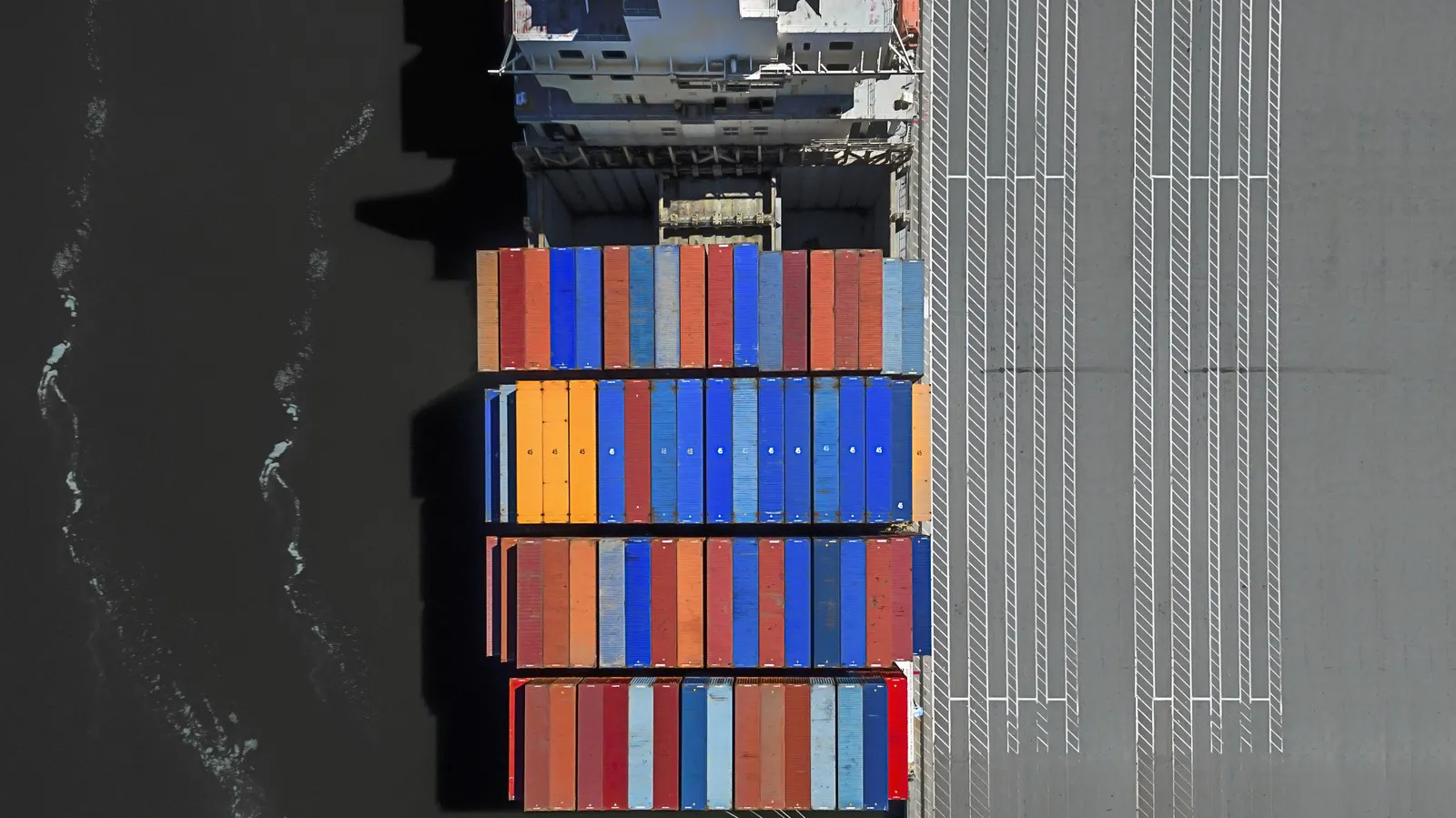
The largest cargo ship ever to visit Port Everglades called in mid-August, and port officials used the occasion to press for progress on a long-delayed channel deepening project. The vessel, a 182,000 deadweight tonne container ship with a maximum capacity of 13,050 twenty-foot equivalent units, made a brief stop as part of a Far East service, discharging around 1,300 boxes and loading further cargo bound for Asia before sailing.
Built in 2012 and measuring some 1,200 feet in length, the ship departed the following afternoon. Its call was presented less as a triumph than as an illustration of a constraint. The port's chief executive argued that vessels of this class demonstrate exactly why the facility operates at a disadvantage: until the navigational channel is deepened and widened, ships will either arrive lightly loaded or bypass the port altogether, adding time and cost to the movement of goods through South Florida.
The numbers behind that argument are stark. Officials say current water depth restrictions mean around 8,000 twenty-foot equivalent units is the practical limit a ship calling at the port can carry, well below what the visiting vessel could have loaded elsewhere on its rotation. The port nevertheless recorded its strongest cargo year on record in the most recent fiscal year, handling 1,167,552 twenty-foot equivalent units, which officials say makes the capacity ceiling more pressing rather than less.
The improvement project has been under discussion for decades. It calls for deepening the main channel from 42 feet to 48 feet, with two feet of additional overdepth for a total of 50 feet, and widening the intracoastal waterway at a chokepoint near a coast guard station. Federal authorisation was granted in December 2016, and the responsible engineering corps has been studying and refining the scheme for far longer than that, with the port continuing to work through federal and state partners to move it forward.
Channel depth has become the defining competitive variable among second-tier American container gateways, several of which have completed or committed to deepening schemes in the past decade. Ports that cannot take fully laden ships risk losing direct calls to neighbours that can, since carriers consolidate rotations around whichever facility allows the deepest draft. For the region served by this port, the argument is framed in terms of the supply chain that feeds, clothes and fuels South Florida, and the delays that follow when boxes must be trucked in from elsewhere.