Kalmar And APM Terminals Partner On Next-Generation Terminal Automation
Kalmar and APM Terminals have formed a strategic partnership to jointly develop and deploy the next generation of Kalmar One terminal automation technology, bringing together one of the world's largest terminal operators and a leading supplier of automated handling equipment. The agreement, unveiled on 30 July, covers joint software development, deployment at both existing and prospective terminals, and the alignment of the two companies' product roadmaps.
Under the arrangement, APM Terminals' operating and technology expertise will feed directly into future versions of the Kalmar One platform, and the partners will also develop Kalmar's automation as a service model. The collaboration is intended to improve the efficiency, safety and resilience of automated container terminal operations, an area where the industry's record has been uneven and where the gap between promised and delivered throughput has been a recurring source of disappointment for operators.
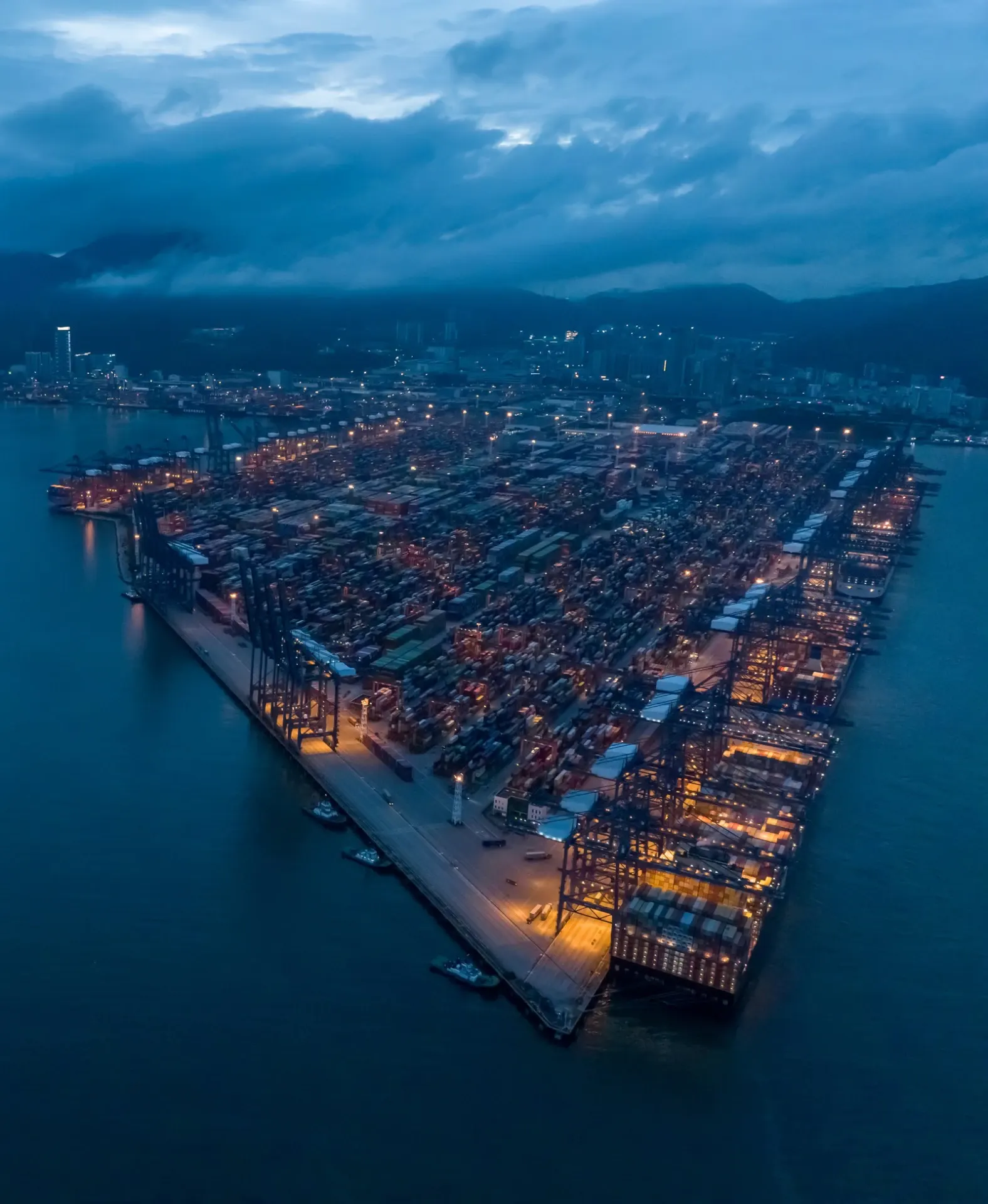
The two companies already work together at scale. APM Terminals uses Kalmar One at its 507-acre Pier 400 facility in Los Angeles, the largest container terminal in the Western Hemisphere, which gives the partnership a substantial live installation to draw on rather than a theoretical specification. Hans Jacobs, who heads operational technology and analytics at APM Terminals, said the partnership reflected a commitment to shaping the next generation of terminal technology through closer collaboration. Juuso Kanner, Kalmar's vice-president of automation, called the arrangement an industry first and said improvements developed under it would be made available to existing and future users of the platform.
The automation as a service model, introduced in June 2025, combines software deployment, optimisation and continuing performance support under longer-term customer agreements. Its purpose is to reduce the upfront cost of automation by moving part of the spending from capital expenditure to operating expenditure, which addresses one of the principal obstacles that has slowed adoption at mid-sized terminals. Full automation projects have historically demanded very large capital commitments with payback periods long enough to deter operators without exceptional volume certainty.
Finland-headquartered Kalmar supplies heavy material-handling equipment, automation systems and services in more than 120 countries, and recorded first-half 2026 sales of 899 million euros, around 1.03 billion dollars, with 5,405 employees at the end of June. APM Terminals develops and operates container terminals at more than sixty locations across 35 countries, employs about 22,000 people and handled 27,000 vessel calls and 25.8 million container moves during 2025. Standardising an automation stack across a network of that size would give the platform an unusually strong position.