Jebel Ali Crashes From Tenth to 32nd in Global Container Port Ranking
Half-year throughput of 3.14m teu against 7.77m a year earlier as Hormuz traffic collapses
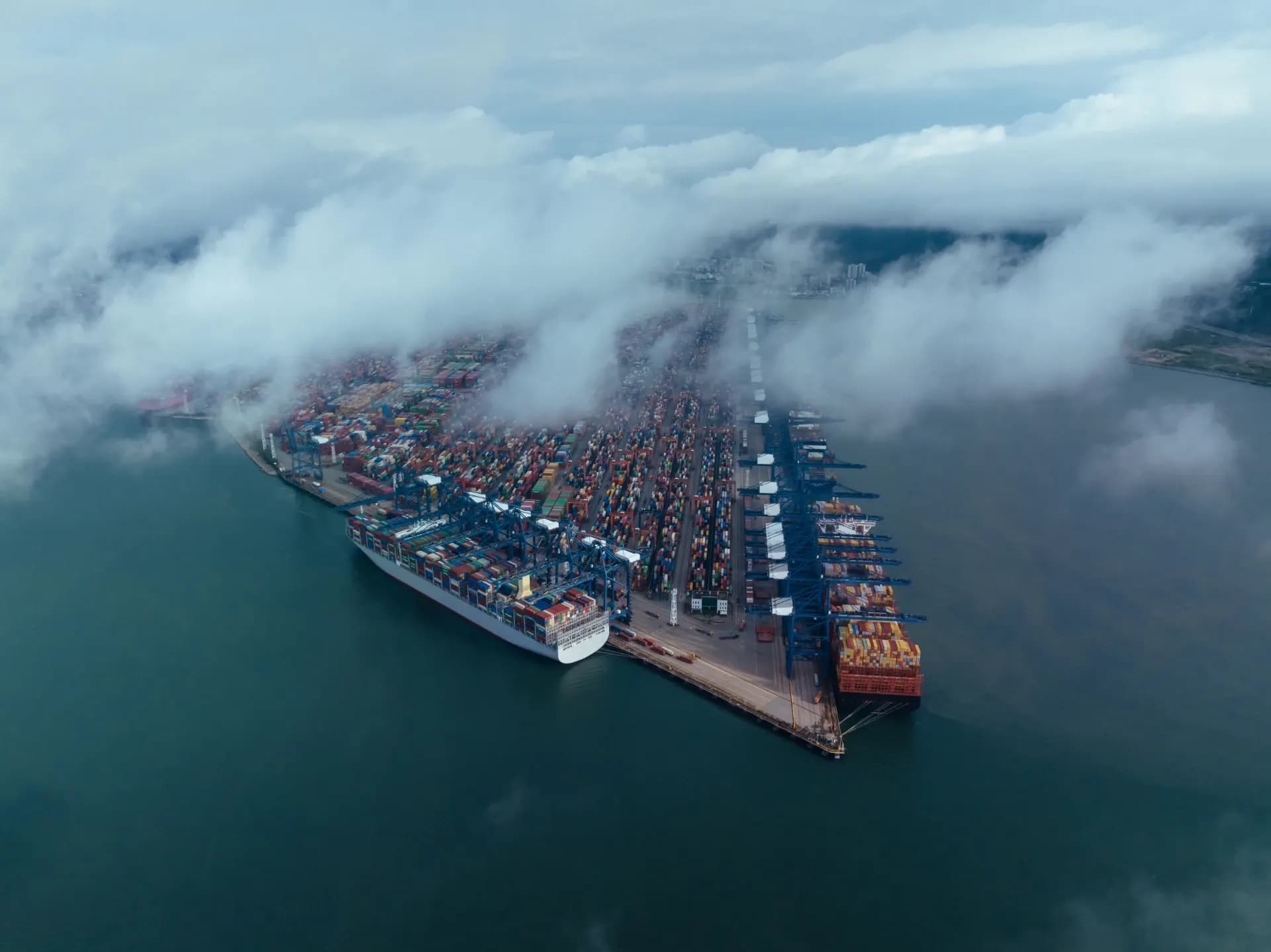
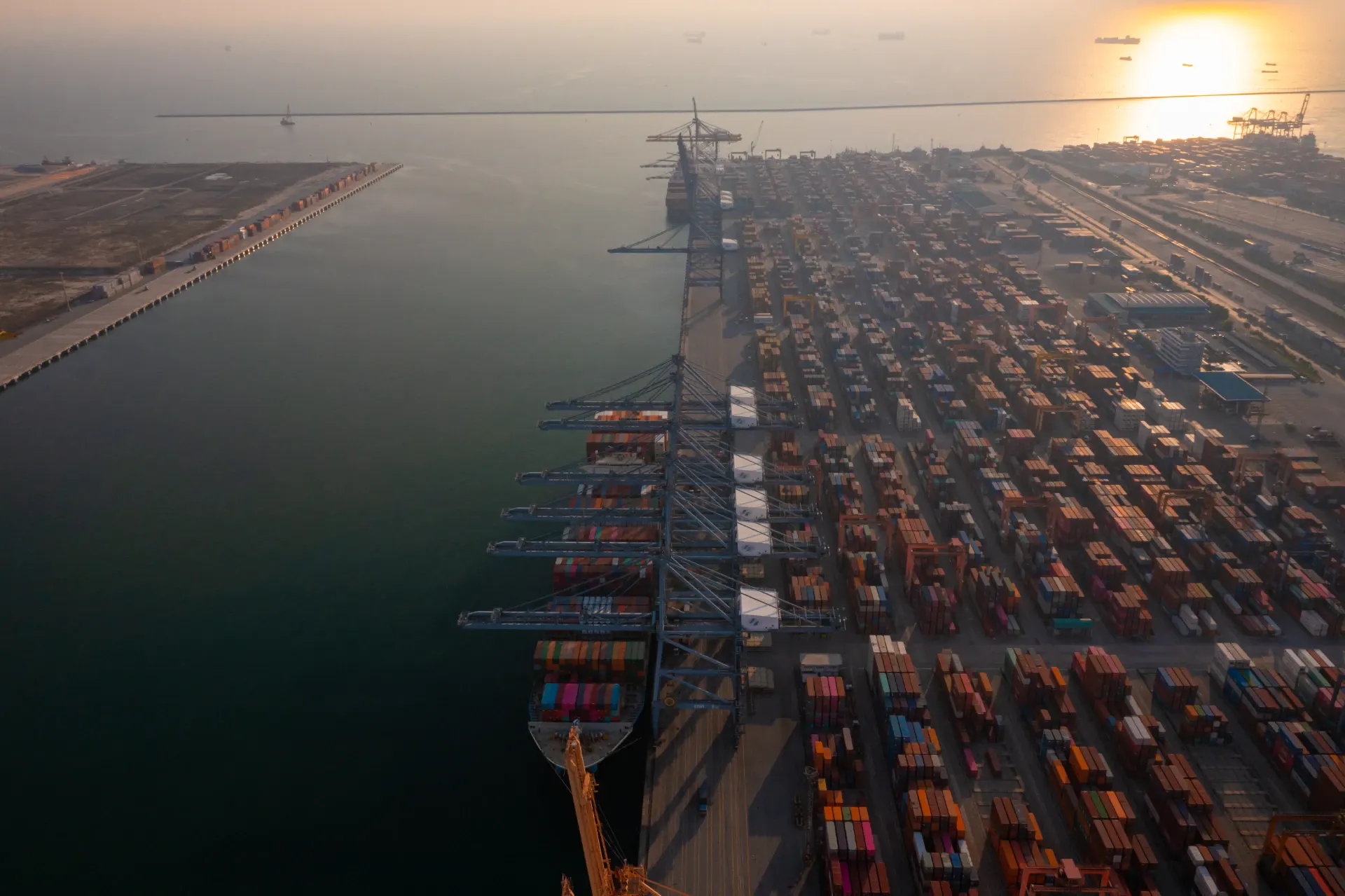
Dubai's Jebel Ali has recorded one of the sharpest falls ever seen in the global container port rankings, dropping from tenth place to 32nd in the space of half a year as the conflict with Iran throttles traffic through the Strait of Hormuz.
Analysis from Alphaliner puts second-quarter throughput at the Middle East's premier container hub at 374,000 teu, a decline of more than 90% year on year. Combined with a 23% fall in the first quarter, that left Jebel Ali handling 3.14m teu across the first six months of 2026, less than half the 7.77m teu recorded in the same period last year.
The collapse tracks the near shutdown of Hormuz from March and the partial, unstable reopening that followed in June. A port that had held a top-ten position for two decades has now moved out of the group of hubs that liner planners treat as fixed points in a network.
Abu Dhabi's Khalifa Port was hit on a similar scale. Volumes there fell by at least 50%, pushing the facility out of the global top 50 after it had ranked 32nd last year. Between them, the two UAE gateways account for the bulk of the region's deep-sea container capacity, and their simultaneous withdrawal from the rankings marks the removal of the Gulf as a transhipment centre rather than the underperformance of any single terminal.
Rankings lag reality, and the mechanics of the fall matter more than the position. Boxes that once moved through Jebel Ali have not disappeared; they have been redistributed to facilities outside the strait, principally on the UAE east coast and through land corridors into Oman and Saudi Arabia. That redistribution carries its own cost in trucking, double handling and extended transit times, none of which shows up in a throughput table.
Whether Jebel Ali regains its place depends on a security settlement rather than a commercial one. The terminal infrastructure is intact and the concession arrangements unchanged; what is missing is the willingness of carriers to route ultra-large tonnage through a chokepoint where insurers are still writing war risk cover voyage by voyage.