Japan Convenes Yards, Owners and JERA to Restart LNG Carrier Building
Tokyo wants capacity for three to five ships a year from 2035, seven years after its last delivery.
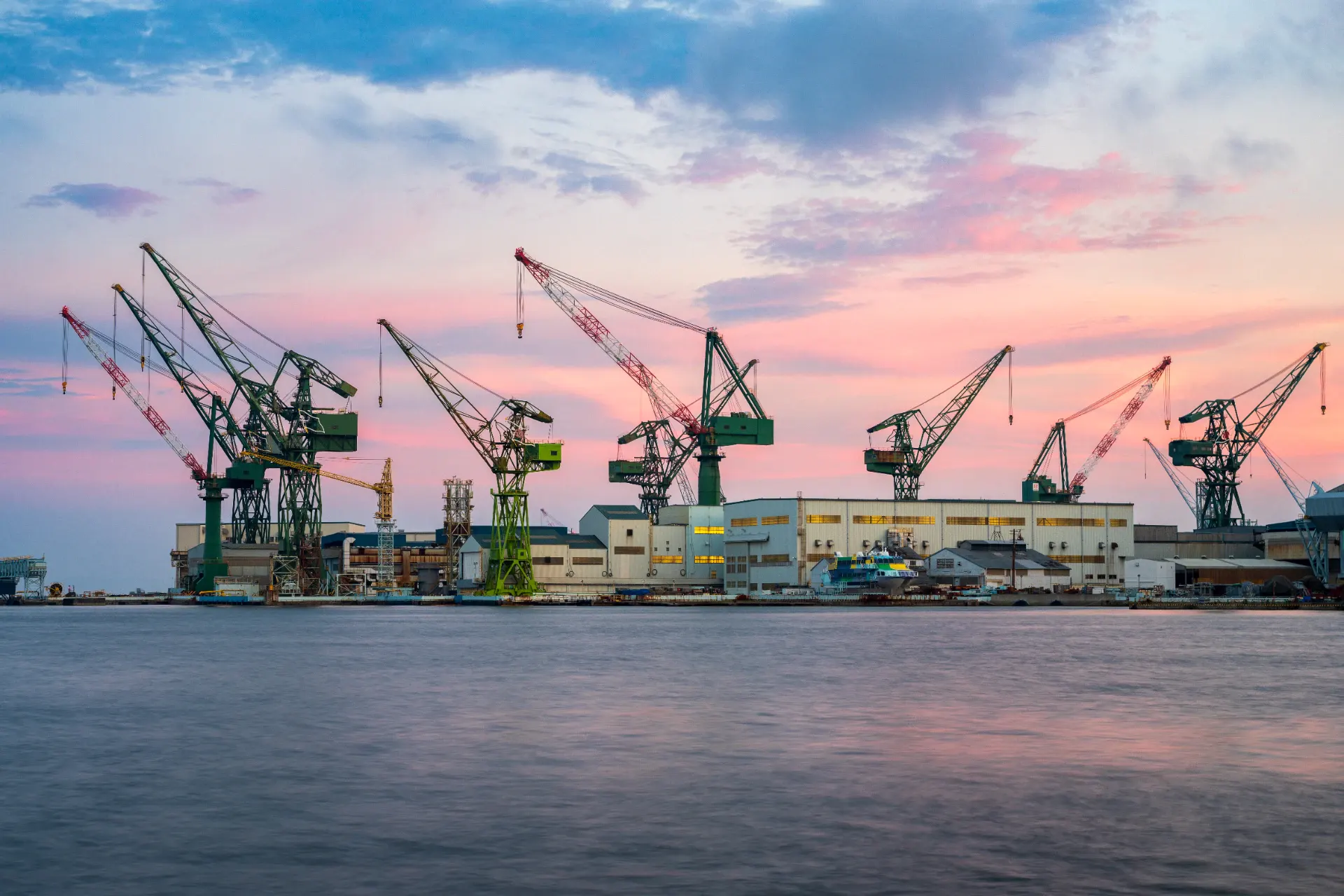
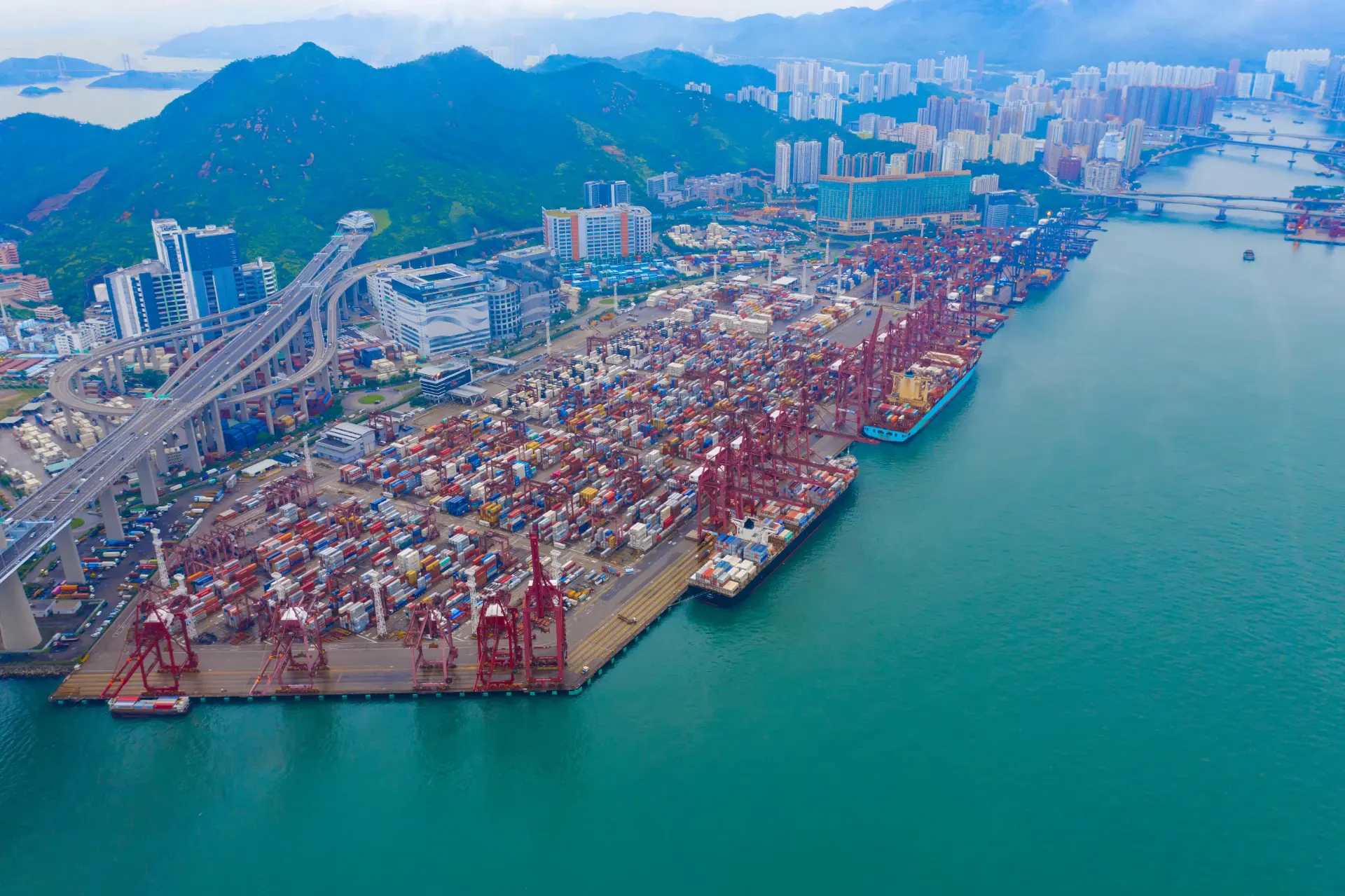
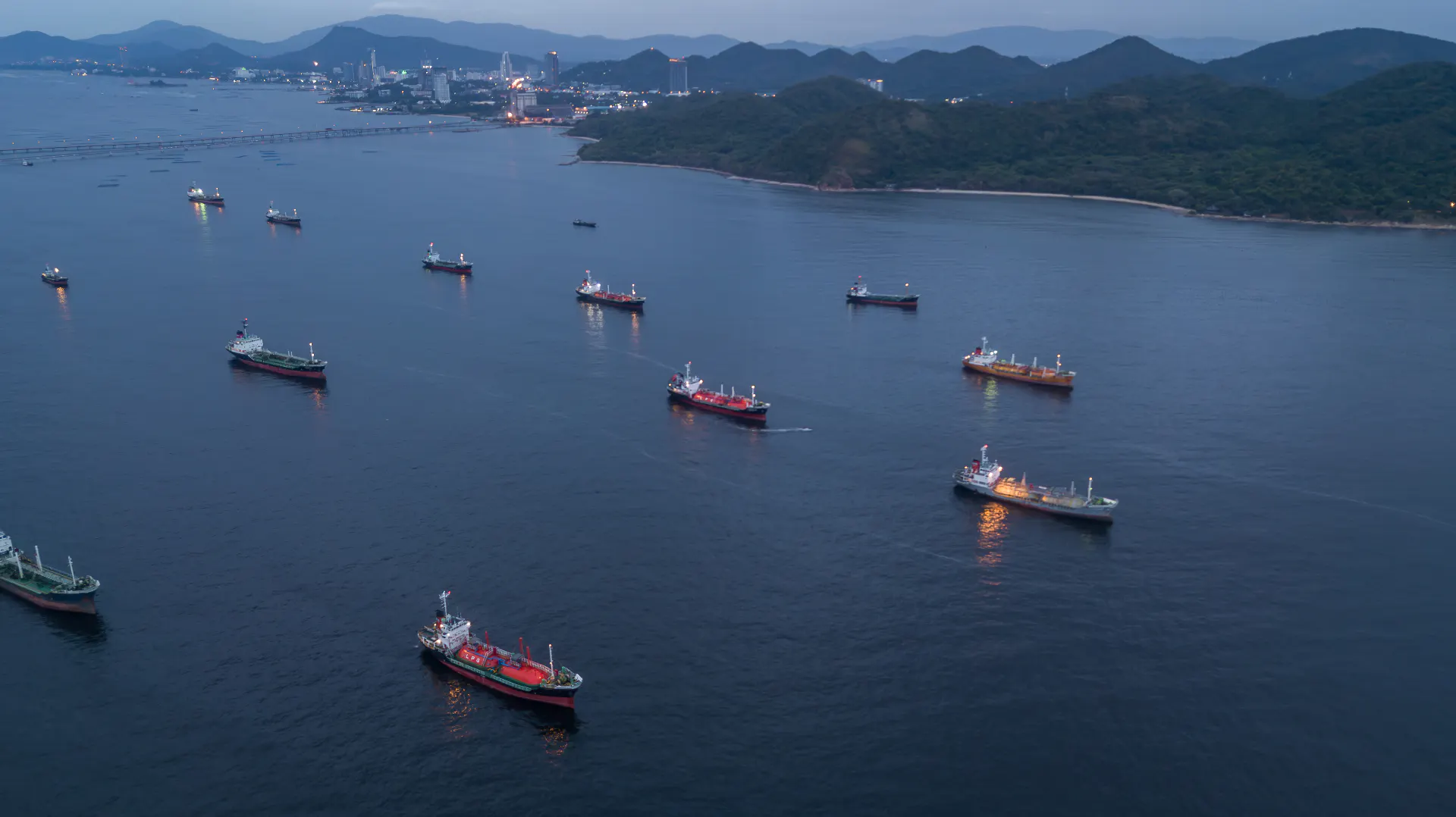
Japan has brought its shipyards, its owners and its largest LNG buyer around one table to work out how to restart domestic construction of LNG carriers, a capability the country has not exercised since its last home-built ship in the sector was delivered in 2019.
The Ministry of Land, Infrastructure, Transport and Tourism brought the sector together on Friday to attach figures to four questions: how many ships might be ordered, on what building timetable, with how much invested in the yards, and at what price. Imabari Shipbuilding, Kawasaki Heavy Industries and Namura Shipbuilding took part, alongside the Shipbuilders' Association of Japan, the Japanese Shipowners' Association and the buyer JERA.
The target is already set. Tokyo is aiming for the ability to turn out three to five gas carriers a year at home from 2035, and has put 120bn yen behind that in its fiscal 2025 supplementary budget. The money is staged in three phases rather than released against orders. Between 2026 and 2028 the money backs automation, welding robots among it. From 2029 to 2031 it moves to long-lead equipment and facilities, with dock expansion and new construction in scope. The final tranche, 2032 to 2034, pays for large cranes.
That sequencing is a statement about what the gap actually is. Japanese yards did not lose the ability to build gas carriers because of demand; they lost the workforce, the cargo containment licences and the dock configuration that the segment requires, and each of those takes a different length of time to rebuild.
The containment system is the binding constraint. Membrane technology dominates newbuilding orders, and Korean yards control roughly 70% of the global market for these ships, which makes technology cooperation with Korea a practical requirement rather than an option for any Japanese programme aiming at series production.
The commercial logic runs through energy security rather than shipbuilding margin. Japan remains one of the world's largest LNG importers and currently depends on foreign yards, predominantly Korean and increasingly Chinese, for the tonnage that moves those cargoes. A domestic build capability of three to five ships a year does not displace that dependence, but it does give Japanese buyers and owners an alternative delivery slot at a moment when the global orderbook for gas carriers is long.
The 2035 date sets the pace of everything else. Yard investment decisions taken from 2029 have to be underwritten by order visibility that does not yet exist, which is why the ministry's first task is arithmetic: how many ships, on what schedule, at what price.