Japan Certifies $635M More in Shipbuilding Investment Plans
Five yards approved on 11 September take the programme to $1.4bn against $3.8bn of projects
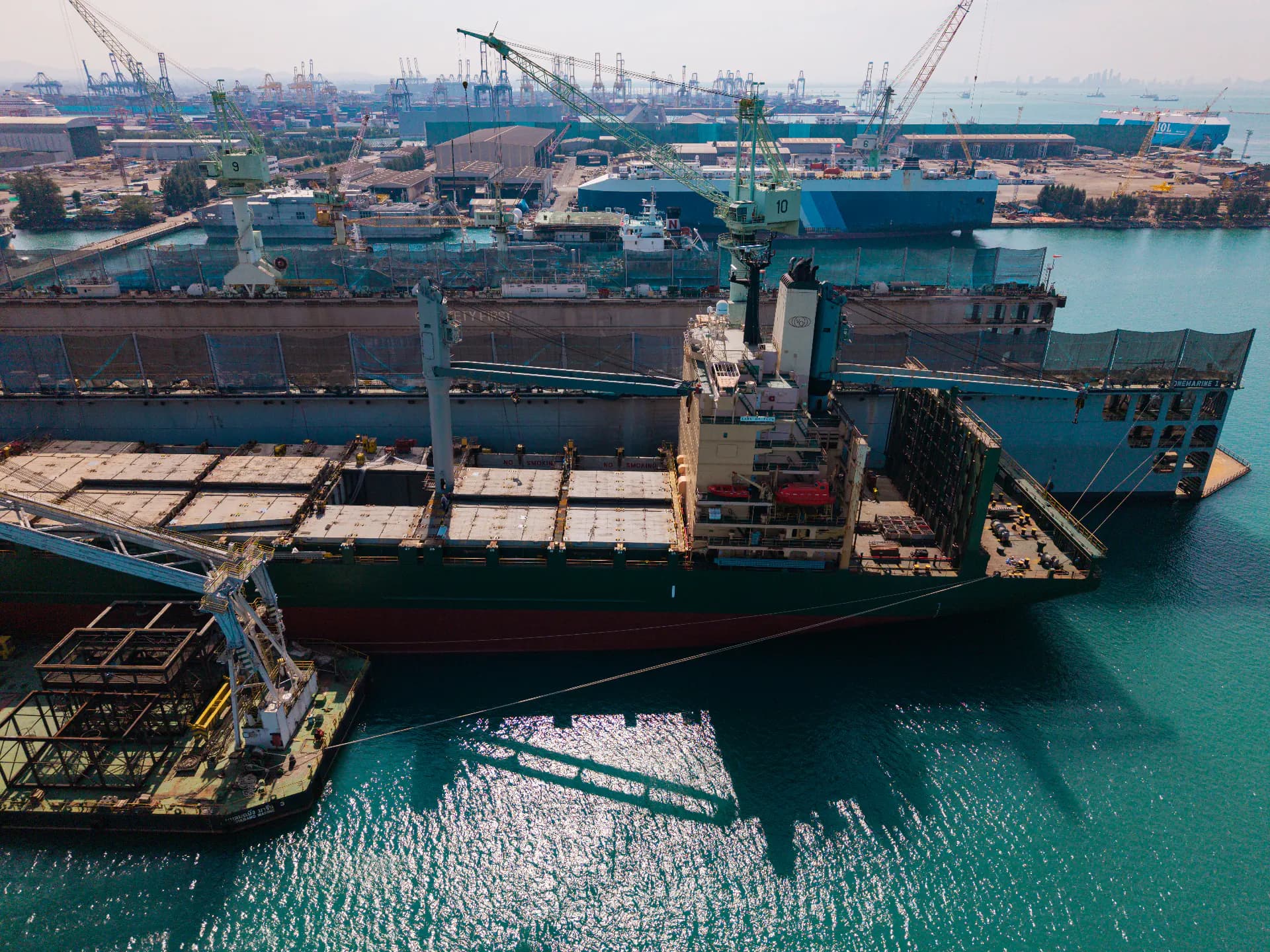
Japan has certified a further $635 million of investment by five shipbuilders under its shipbuilding revitalisation programme, taking approvals to around $1.4 billion across eight plans worth close to $3.8 billion in total project value.
The five approved on 11 September are Mitsubishi Shipbuilding with about 40.0 billion yen, the Shin Kurushima group with about 32.0 billion yen across four entities, Kawasaki Heavy Industries with about 15.6 billion yen, Oshima Shipbuilding with about 6.1 billion yen and Naikai Zosen with about 4.3 billion yen. They follow three larger certifications on 4 September, for Imabari Shipbuilding, Japan Marine United and Namura Shipbuilding.
The money is meant to buy capacity rather than orders. The programme targets labour-saving and automation equipment, dock expansions and larger cranes, against a declining domestic market share, an ageing workforce and falling employment in the sector. Kawasaki said its approval supports a plan to invest roughly $290 million in total at its Sakaide Works, with a focus on LNG carrier construction. Oshima said it would use the investment to strengthen its production system and its shipbuilding capability.
The scale of the gap explains the scale of the intervention. Japan is aiming for shipbuilding capacity of 18 million gross tons by 2035. In 2025 its yards took orders for just under 9 million gross tons, and the country's share of the global market is around nine percent after two decades of ground lost to South Korea and China. The full plan calls for roughly 1 trillion yen, about $6.4 billion, in combined public and private investment, with certifications running on an ongoing basis through 2034.
Transport minister Yasuyuki Kaneko, announcing the first tranche, described shipbuilding as one of 17 priority industries for Japan and said the revitalisation effort was under way. The framing matters for owners: this is being treated as strategic capacity for the transport of energy and food, not as industrial support for a mature sector.
The certifications are published by the Ministry of Land, Infrastructure, Transport and Tourism.
This story is part of the Maritime Briefing of 17 September 2026.