Jan De Nul orders second trenching support vessel for cables
An exact sister to Isambard K. Brunel takes the subsea cable newbuilding programme to five ships
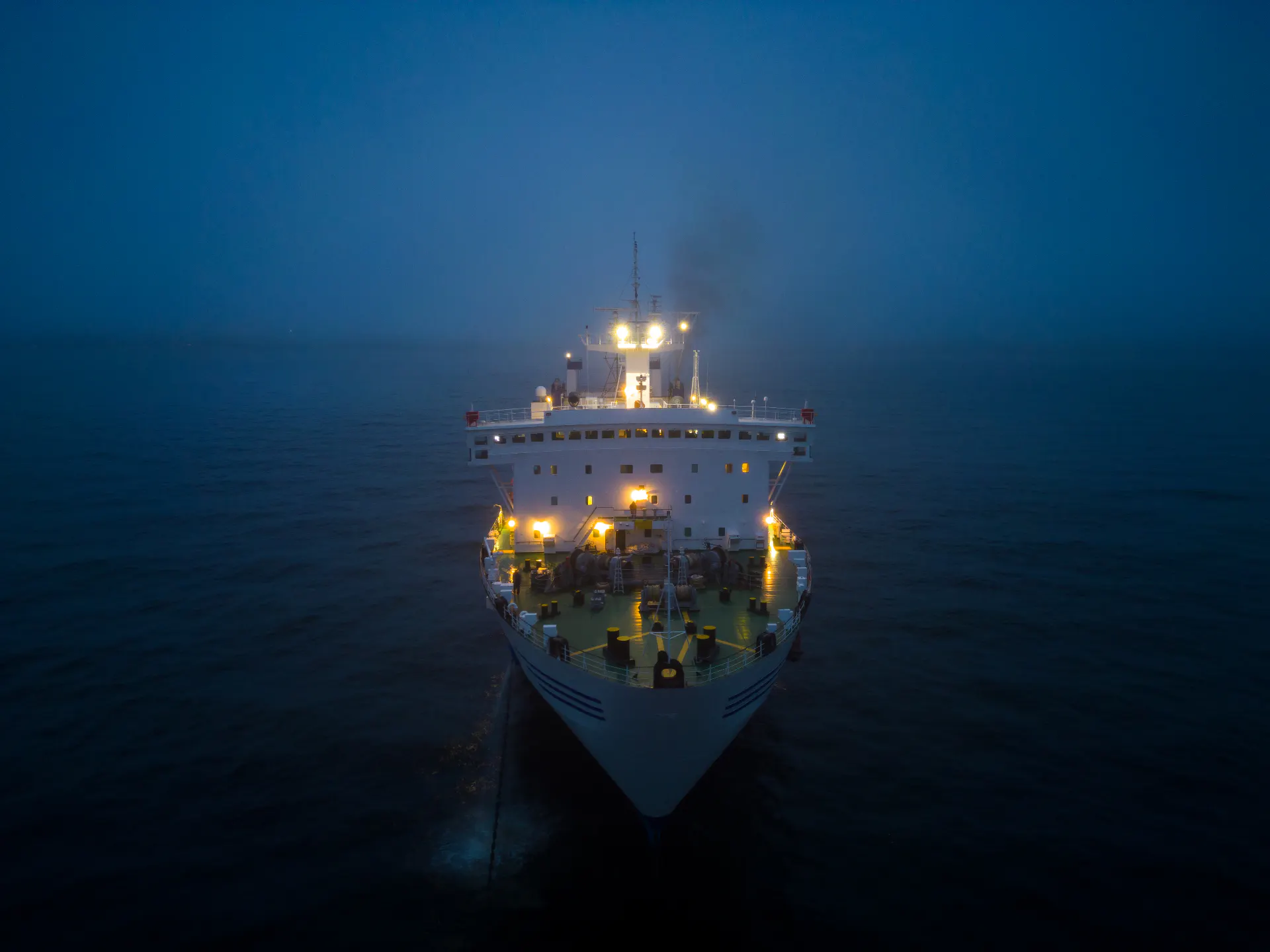
Jan De Nul Group (Sofidra SA) has ordered a second trenching support vessel for burying subsea energy cables, an exact sister ship to the ISAMBARD K. BRUNEL.
The order takes the number of newbuildings under construction for the Belgian contractor's subsea cable installation and protection business to five: two XL cable-laying vessels, one XL rock installation vessel and two trenching support vessels. Together with the existing fleet and a conversion, the company puts its total at fourteen vessels for the installation and protection of subsea cables.
"Our two new cable-laying vessels will soon enter the market. The FLEEMING JENKIN has completed her first sea trials and is now in the final construction phase. The WILLIAM THOMSON will follow shortly. The investments in vessels that can protect these cables at the same pace are a logical next step," said Wouter Vermeersch, director subsea cables offshore energy, in the order announcement.
The pairing is the point of the programme. FLEEMING JENKIN and her sister lay the cable; the rock installation vessel GEORGE W. GOETHALS, ordered last year, covers it with a layer of rock where burial is not possible; and the two trenching support vessels bury it. Each of the two carries a trencher operated from the vessel and capable of putting a cable up to five metres below the seabed.
Burial depth is what a cable owner buys. An interconnector or an export cable lying on the seabed is exposed to anchors, fishing gear and scour, and the repair of a single fault runs into weeks of vessel time and lost transmission. Building the protection capacity at the same rate as the laying capacity is a bet that the volume of cable going into European waters over the next decade will need both at once.
The new vessel will carry Jan De Nul's ULEv exhaust treatment, which the company says filters up to 99% of nanoparticles from exhaust gases. Its engines will be able to run on biofuel and are being prepared for methanol.
A sixth unit is being converted rather than built. HENRY DARCY, a 2008-built water injection dredger, is becoming a compact trenching support vessel carrying the Crayfish subsea robot for cable burial in shallow water, the depths where the large units cannot work economically.
This story is part of the Maritime Briefing of 24 September 2026.