Italian navy boards falsely flagged shadow fleet tanker off Sicily
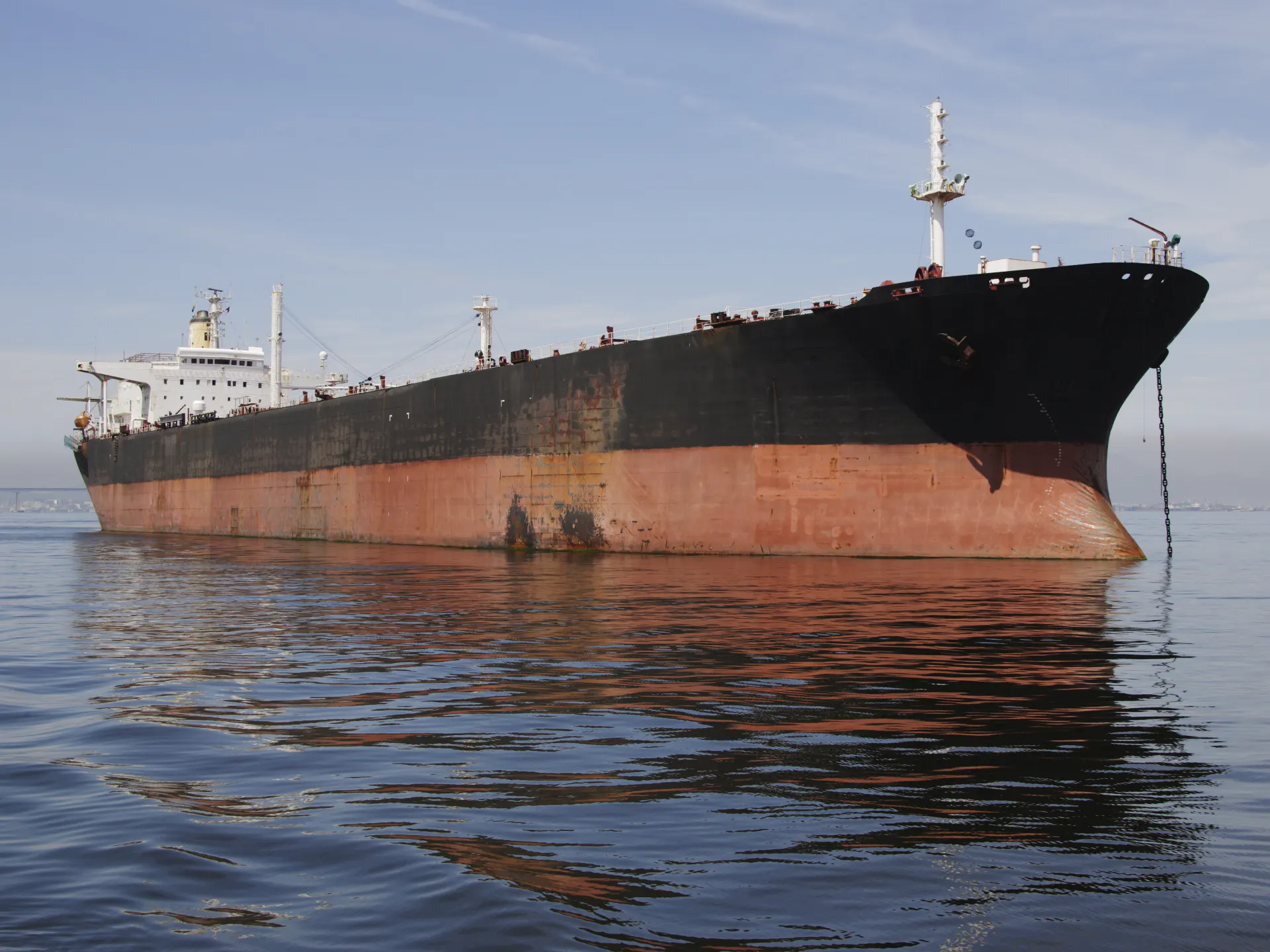
An Italian-led European Union naval mission has boarded a sanctioned tanker linked to Russia's shadow fleet in international waters west of Sicily, the second such operation in less than two weeks. The tanker Toa Payoh, which had switched to the Cameroon registry the previous week, was intercepted on Sunday west of Pantelleria while sailing from Cotonou in Benin to Istanbul. The boarding took about two hours.
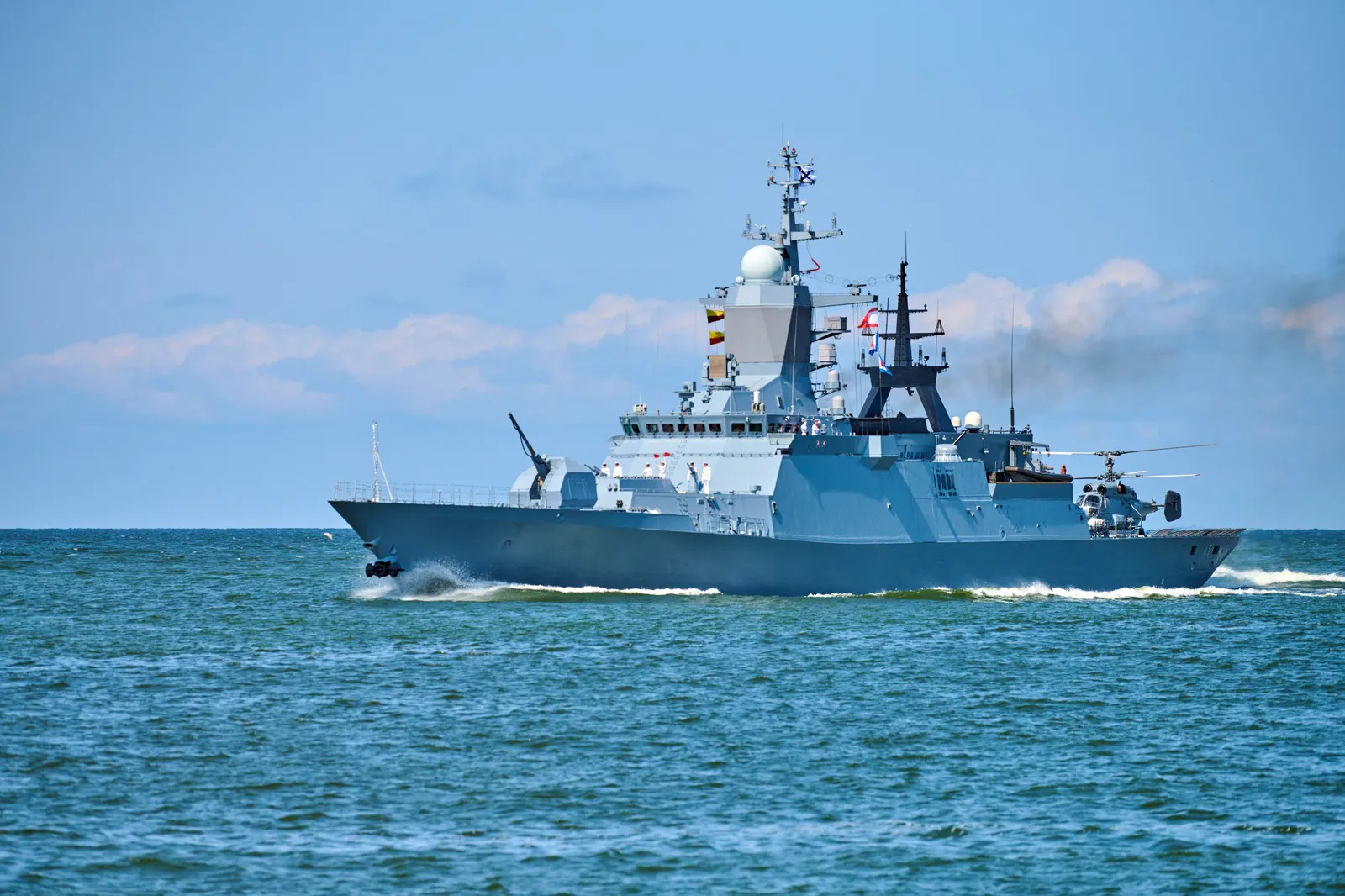
The operation was run from the flagship frigate Thaon di Revel, supported by a Greek vessel and a Polish maritime patrol aircraft, and conducted under Article 110 of the United Nations Convention on the Law of the Sea. That article is the legal hinge on which the whole action turns: it permits a warship to board a vessel on the high seas where there are reasonable grounds to suspect the ship is without nationality or is falsely claiming a flag. A recent registry change to a state that has been revoking shadow fleet registrations under European pressure supplies exactly that suspicion.
The master initially failed to cooperate, prompting Italian military personnel to reach the vessel by helicopter. Non-cooperation is itself informative. A ship with a valid registration and clean documentation has every incentive to demonstrate that quickly, since a boarding conducted under Article 110 ends as soon as the suspicion is dispelled. Delay tends to indicate that the paperwork will not survive inspection.
This was the second boarding of its kind in under a fortnight, following a 20 July operation involving the South Star, another vessel linked to the shadow fleet. Two interceptions in the central Mediterranean in quick succession suggest a deliberate shift from monitoring to physical intervention, and from port state control at berth to enforcement at sea. That is a considerably more demanding posture, requiring warships, aircraft and boarding teams to be held ready in a specific sea area.
The mission carrying out the work was not designed for this. Operation Irini was launched in 2020 to enforce United Nations arms embargoes on Libya, and its repurposing towards shadow fleet interdiction reflects how far the sanctions enforcement problem has outgrown the tools originally built for it. For owners and managers running vessels on questionable registrations through the Mediterranean, the message is that a flag of convenience acquired last week is now more likely to attract a boarding party than to deflect one.
Ships in this story